US Congress boosts Israel farm research amid Palestinian losses


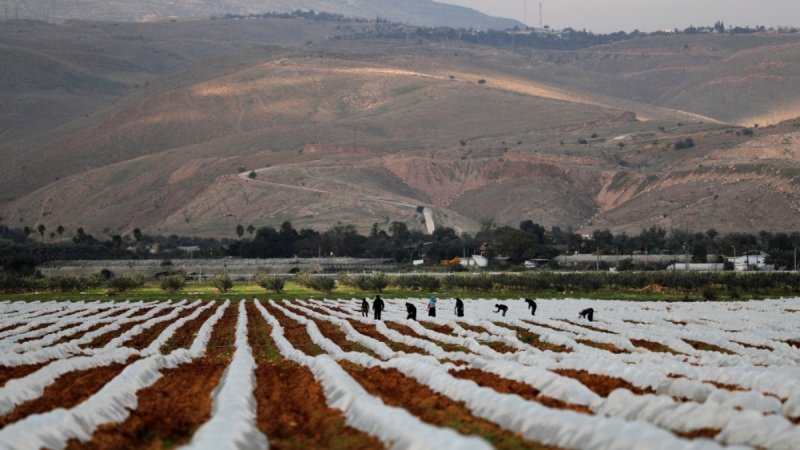
On Thursday, the U.S. House of Representatives passed an amendment to boost funding for an agricultural research project with Israel, highlighting how Washington’s scientific collaboration is increasingly linked to Israeli institutions involved in the controversial settlement project.
The US-Israel Binational Agricultural Research and Development Fund (BARD) is a nearly 50‑year‑old programme that channels public money into joint agricultural research projects between American and Israeli institutions, News.Az reports, citing The New Arab.
RECOMMENDED STORIES
The fund is jointly backed by Washington and the Israeli government and has financed dozens of collaborative projects in areas such as irrigation, plant science and climate‑resilient agriculture, with AIPAC thanking Virginia Congressman Eugene Vindman and Florida Congresswoman Kat Cammack "for leading this important effort".
But critics argue that the decision underlines how US agricultural spending is increasingly embedded in an Israeli system that privileges settlement institutions while Palestinians are stripped of access to the very same land and water.
Ariel University, built inside the Israeli settlement of Ariel in the northern West Bank, openly lists BARD among the binational US-Israel foundations available to its researchers.
The university is situated in the middle of Palestinian villages and farmland in occupied territory, and has long been condemned by Palestinian academic bodies and international scholars who argue that its very location entrenches Israel’s settlement enterprise.
In 2020, the Trump administration and the Israeli government removed previous geographic restrictions that had barred US–Israel scientific cooperation with institutions based in West Bank settlements. That change was widely welcomed by Ariel officials at the time, who saw it as a green light to deepen ties with US partners and tap into joint research budgets.
While there is no comprehensive public list showing which BARD‑funded projects are currently implemented in or around West Bank settlements, the fund operates within this new framework, in which settlement‑based institutions are no longer formally excluded from US‑backed scientific programmes.
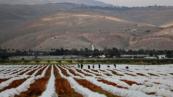
On the ground, Palestinian communities around Ariel and across Area C of the West Bank face a very different agricultural reality. Israel’s settlement expansion and support for settler farming areas and grazing outposts have steadily reduced the areas where Palestinians can cultivate crops, access water or graze livestock.
Bedouin and herding communities report being forced out of land for pasturing and denied access to wells and springs as settlers, sometimes backed by Israeli forces, consolidate control over hillsides and valleys.
Land‑rights specialists and Palestinian officials argue that agricultural development has become a tool of dispossession, not just a sectoral policy.
New land‑registration systems in Area C, combined with the Israeli "legalisation" of previously “unauthorised” farming outposts, are seen by critics as mechanisms for formalising the theft of Palestinian land while presenting it as orderly land administration and rural development.
By Ulviyya Salmanli


Similar news