SpaceX IPO filing shows Musk will keep voting control


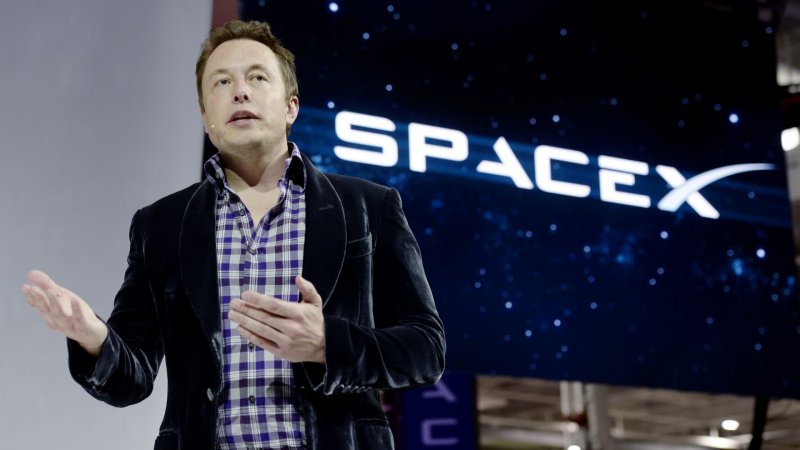
SpaceX is planning to cement founder Elon Musk’s control following its initial public offering (IPO), granting him and a small group of insiders super-voting shares that would outweigh other investors, according to excerpts of the company’s IPO filing reviewed by Reuters, News.Az reports.
The prospectus, which was filed confidentially this month, provides new details about the company’s financial performance and corporate governance structure.
According to the filing excerpts, Musk will continue serving as chief executive officer, chief technical officer, and chairman of SpaceX’s nine-member board of directors after the offering is completed.
Although Musk was paid $54,080 last year, the excerpts indicate he stands to gain billions in equity following the company’s stock market debut.
RECOMMENDED STORIES
SpaceX is targeting a listing valuation of approximately $1.75 trillion and aims to raise $75 billion, which would make it the largest initial public offering in history.
President and Chief Operating Officer Gwynne Shotwell received $85.8 million in total compensation last year, according to previous Reuters reporting, while Chief Financial Officer Bret Johnsen was paid $9.8 million.
The IPO preparations are also involving senior executives, with Musk’s team holding three days of meetings this week with Wall Street analysts. The schedule begins with a tour and briefings at SpaceX’s Starbase launch facility in Boca Chica, Texas.
The filing excerpts further show that SpaceX will adopt a dual-class equity structure. Under this system, Class B shareholders will hold 10 votes per share, concentrating voting power among Musk and a small group of insiders, while Class A shares sold to public investors will carry one vote each.
The documents also outline provisions that could restrict shareholders’ ability to influence board elections or pursue certain legal actions, directing disputes into arbitration and limiting where they can be filed.
While such dual-class structures are common among founder-led technology companies, they generally reduce the ability of public shareholders to influence company strategy or challenge management decisions.
By Nijat Babayev


Similar news