Standard Chartered CEO backtracks after shocking AI comment


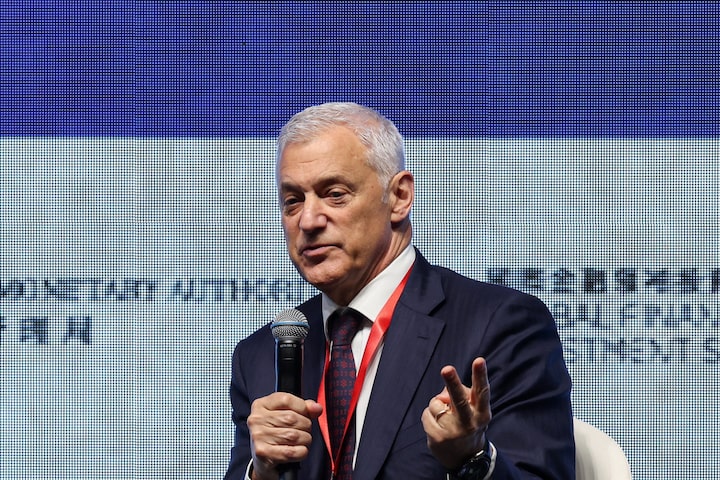
Standard Chartered CEO Bill Winters is facing intense internal backlash after a blunt comment about replacing "lower-value human capital" with artificial intelligence went viral. On Wednesday, Winters scrambled to reassure his global workforce via an internal memo, claiming his words were taken out of context.
The corporate damage control comes just 24 hours after the bank announced a massive restructuring plan at an investor event in Hong Kong. Standard Chartered plans to slash 15% of its corporate function roles by 2030—a move that will result in nearly 8,000 redundancies across its 52,000-strong administrative workforce, News.Az reports, citing Reuters.
When describing the sweeping layoffs on Tuesday, Winters sparked outrage by stating:
RECOMMENDED STORIES
"It's not cost-cutting. It's replacing in some cases lower-value human capital with the financial capital and the investment capital we're putting in."
Recognizing the sting of his phrasing, Winters sent an urgent memo to employees on Wednesday morning. "I know this may be unsettling when reduced to simple headlines or a quote out of context," he wrote, adding that the future of the bank still heavily relies on the "talent, judgement, and relationships" of its human staff.
Winters promised that the bank would prioritize "reskilling and redeployment" where possible, promising to handle the upcoming layoffs with "thought and care."
Standard Chartered is far from alone in its aggressive pivot toward automation. The banking sector is currently undergoing a massive AI-driven overhaul as firms look to maximize profitability. Japanese banking giant Mizuho recently revealed plans to eliminate 5,000 jobs over the next decade, while HSBC Chief Executive Georges Elhedery noted on Wednesday that AI will inevitably destroy certain traditional roles, requiring massive workforce retraining.
As global financial giants aggressively trade human salaries for algorithms, Winters' viral slip-up highlights the growing, deeply sensitive tension between corporate efficiency and the humans who keep the offices running.
By Aysel Mammadzada


Similar news