Syria’s future: How shifts in the conflict could impact Türkiye


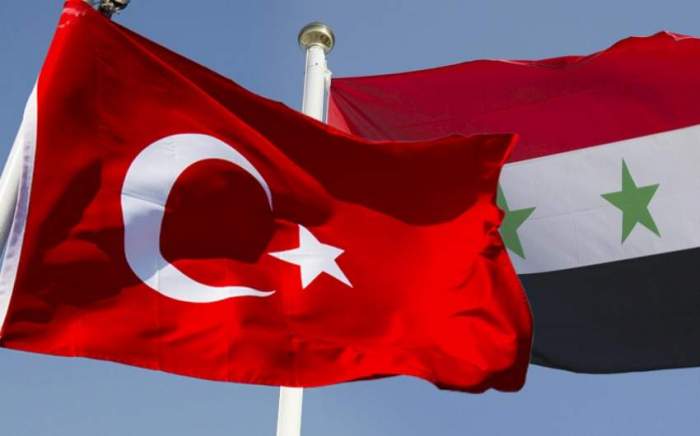
Photo: Google images
The ongoing Syrian crisis, which began as a civil uprising in 2011, has transformed into one of the most protracted and devastating conflicts of the 21st century. While its toll on Syria is immeasurable, its ramifications extend well beyond its borders, significantly impacting neighboring Türkiye. With a history of complex relations, geopolitical entanglements, and shared cultural ties, the Syrian crisis has reshaped Türkiye’s domestic and foreign policy. This article delves into the historical relationship between Syria and Türkiye, the crisis’s impact on Türkiye, and the potential future of their bilateral relations.
Relations between Türkiye and Syria have long been marked by a mix of cooperation and contention. Deep historical, cultural, and economic ties have often clashed with territorial disputes and political differences. One of the most contentious issues remains the status of Hatay Province, which was incorporated into Türkiye in 1939.
Syria, however, has never formally recognized this annexation. Another major source of tension stems from water rights, particularly Türkiye’s construction of dams on the Euphrates and Tigris rivers, which Syria criticizes for reducing downstream water flow. Additionally, Türkiye’s concerns over Kurdish militancy have complicated their relationship for decades. Syria once provided sanctuary to the Kurdistan Workers’ Party (PKK), a group designated as a terrorist organization by Türkiye, exacerbating tensions until the late 1990s, when Damascus expelled PKK leader Abdullah Öcalan under Turkish pressure.
Türkiye’s involvement in the current Syrian crisis has been shaped by both humanitarian concerns and national security imperatives. As the host of over 3.6 million Syrian refugees—the largest such population in the world—Türkiye has demonstrated notable generosity. Yet, the refugee crisis has placed immense strain on its economy, infrastructure, and social fabric, fueling domestic political tensions. Ankara has also been a key supporter of Syrian opposition forces, initially aiming to oust Syrian President Bashar al-Assad and replace his regime with one more aligned with Turkish interests. Additionally, Türkiye has launched multiple military operations in northern Syria to counter the PKK-affiliated Syrian Democratic Forces (SDF) and its armed wing, the People’s Protection Units (YPG). Ankara views the YPG’s growing influence near its borders as a direct threat to its territorial integrity.

The Syrian crisis has profoundly impacted Türkiye in economic, security, political, and diplomatic terms. Hosting millions of refugees has cost Türkiye billions of dollars at a time of domestic economic challenges. The disruption of trade routes with Syria has further harmed Türkiye’s export-driven economy. Security concerns are another pressing issue, as the presence of terrorist groups near Türkiye’s southern border has led to frequent cross-border attacks, intensifying domestic security fears. Although Turkish military interventions have mitigated some threats, they have also drawn international criticism. On the political front, the refugee crisis has become a deeply polarizing issue. Opposition parties have openly criticized the government’s open-door refugee policy, while growing public resentment risks fueling social unrest. Türkiye’s active role in Syria has also strained its relations with key international players, including Russia, Iran, and the United States. Balancing these competing interests while pursuing its own national objectives remains a considerable diplomatic challenge.
The future of Syria remains uncertain, but its developments will inevitably influence Türkiye’s role in the region. If the Assad regime consolidates power and gains reintegration into the international community, Türkiye may face growing pressure to normalize relations with Damascus. Such a shift would require Ankara to reconcile its long-standing opposition to Assad with its broader geopolitical interests. Conversely, the establishment of an autonomous Kurdish region in northern Syria would be unacceptable for Türkiye, potentially escalating military operations and further entrenching the conflict. Prolonged instability in Syria, meanwhile, would exacerbate the refugee crisis and intensify security threats, entangling Türkiye even further in the regional quagmire.
The future of Türkiye-Syria relations will largely depend on whether both nations are willing to compromise. Pragmatic cooperation could emerge in areas such as border security, refugee repatriation, and counterterrorism, but this would require significant concessions and international guarantees. Alternatively, if the underlying disputes—particularly regarding the Kurdish question and Türkiye’s support for opposition forces—remain unresolved, hostility will likely persist, perpetuating regional instability. Conditional normalization may be another possibility, where Türkiye leverages its influence in northern Syria to extract concessions from the Assad regime.
The Syrian crisis has also reshaped regional and global geopolitics. Rivalries among Türkiye, Iran, and Saudi Arabia have intensified as each nation pursues its interests in Syria, influencing the broader Middle East landscape. On a global scale, Syria has become a theater for competition between Russia and the United States, with Türkiye positioned as a key player in this strategic contest. The ongoing foreign interventions, including Türkiye’s military presence, further complicate Syria’s already fragile territorial integrity.
The Syrian crisis has left an indelible mark on Türkiye, testing its resilience and reshaping its foreign policy priorities. While the path forward remains uncertain, resolving the conflict will require collective efforts from all stakeholders, including Türkiye. For Ankara, balancing its national interests with regional stability and international norms will be critical. Whether Türkiye chooses cooperation or confrontation will determine not only its relationship with Syria but also its broader role in an evolving geopolitical landscape.
Relations between Türkiye and Syria have long been marked by a mix of cooperation and contention. Deep historical, cultural, and economic ties have often clashed with territorial disputes and political differences. One of the most contentious issues remains the status of Hatay Province, which was incorporated into Türkiye in 1939.
Syria, however, has never formally recognized this annexation. Another major source of tension stems from water rights, particularly Türkiye’s construction of dams on the Euphrates and Tigris rivers, which Syria criticizes for reducing downstream water flow. Additionally, Türkiye’s concerns over Kurdish militancy have complicated their relationship for decades. Syria once provided sanctuary to the Kurdistan Workers’ Party (PKK), a group designated as a terrorist organization by Türkiye, exacerbating tensions until the late 1990s, when Damascus expelled PKK leader Abdullah Öcalan under Turkish pressure.
Türkiye’s involvement in the current Syrian crisis has been shaped by both humanitarian concerns and national security imperatives. As the host of over 3.6 million Syrian refugees—the largest such population in the world—Türkiye has demonstrated notable generosity. Yet, the refugee crisis has placed immense strain on its economy, infrastructure, and social fabric, fueling domestic political tensions. Ankara has also been a key supporter of Syrian opposition forces, initially aiming to oust Syrian President Bashar al-Assad and replace his regime with one more aligned with Turkish interests. Additionally, Türkiye has launched multiple military operations in northern Syria to counter the PKK-affiliated Syrian Democratic Forces (SDF) and its armed wing, the People’s Protection Units (YPG). Ankara views the YPG’s growing influence near its borders as a direct threat to its territorial integrity.
The Syrian crisis has profoundly impacted Türkiye in economic, security, political, and diplomatic terms. Hosting millions of refugees has cost Türkiye billions of dollars at a time of domestic economic challenges. The disruption of trade routes with Syria has further harmed Türkiye’s export-driven economy. Security concerns are another pressing issue, as the presence of terrorist groups near Türkiye’s southern border has led to frequent cross-border attacks, intensifying domestic security fears. Although Turkish military interventions have mitigated some threats, they have also drawn international criticism. On the political front, the refugee crisis has become a deeply polarizing issue. Opposition parties have openly criticized the government’s open-door refugee policy, while growing public resentment risks fueling social unrest. Türkiye’s active role in Syria has also strained its relations with key international players, including Russia, Iran, and the United States. Balancing these competing interests while pursuing its own national objectives remains a considerable diplomatic challenge.
The future of Syria remains uncertain, but its developments will inevitably influence Türkiye’s role in the region. If the Assad regime consolidates power and gains reintegration into the international community, Türkiye may face growing pressure to normalize relations with Damascus. Such a shift would require Ankara to reconcile its long-standing opposition to Assad with its broader geopolitical interests. Conversely, the establishment of an autonomous Kurdish region in northern Syria would be unacceptable for Türkiye, potentially escalating military operations and further entrenching the conflict. Prolonged instability in Syria, meanwhile, would exacerbate the refugee crisis and intensify security threats, entangling Türkiye even further in the regional quagmire.
The future of Türkiye-Syria relations will largely depend on whether both nations are willing to compromise. Pragmatic cooperation could emerge in areas such as border security, refugee repatriation, and counterterrorism, but this would require significant concessions and international guarantees. Alternatively, if the underlying disputes—particularly regarding the Kurdish question and Türkiye’s support for opposition forces—remain unresolved, hostility will likely persist, perpetuating regional instability. Conditional normalization may be another possibility, where Türkiye leverages its influence in northern Syria to extract concessions from the Assad regime.
The Syrian crisis has also reshaped regional and global geopolitics. Rivalries among Türkiye, Iran, and Saudi Arabia have intensified as each nation pursues its interests in Syria, influencing the broader Middle East landscape. On a global scale, Syria has become a theater for competition between Russia and the United States, with Türkiye positioned as a key player in this strategic contest. The ongoing foreign interventions, including Türkiye’s military presence, further complicate Syria’s already fragile territorial integrity.
The Syrian crisis has left an indelible mark on Türkiye, testing its resilience and reshaping its foreign policy priorities. While the path forward remains uncertain, resolving the conflict will require collective efforts from all stakeholders, including Türkiye. For Ankara, balancing its national interests with regional stability and international norms will be critical. Whether Türkiye chooses cooperation or confrontation will determine not only its relationship with Syria but also its broader role in an evolving geopolitical landscape.
(If you possess specialized knowledge and wish to contribute, please reach out to us at opinions@news.az).


Similar news