Thailand accuses Cambodia of breaking newly agreed ceasefire


Tensions have flared once again on the Thailand-Cambodia border, as Thai officials accuse Cambodia of violating a ceasefire just hours after it was announced.
The ceasefire, agreed on Monday to end five days of deadly clashes, aimed to halt rocket and artillery attacks that have killed at least 33 people and displaced thousands, News.Az reports, citing BBC.
According to Thailand’s military, its forces ceased fire at midnight but came under fresh attack from Cambodian troops at multiple locations throughout Tuesday morning.
Cambodia’s Ministry of Defence, however, denied the allegations, telling AFP there had been “no armed clashes” since the ceasefire went into effect.
Despite the disagreement, local commanders from both sides met Tuesday as part of the agreement. They reportedly agreed to stop all shooting, halt troop movements on the front lines, and begin recovering the bodies of fallen soldiers.
Border tensions, rooted in a long-standing territorial dispute, intensified in May after a Cambodian soldier was killed in a skirmish. The situation escalated dramatically last week when five Thai soldiers were injured by a landmine, prompting Thailand to shut border crossings and expel the Cambodian ambassador.
Fighting worsened last Thursday when Cambodia launched multiple rocket attacks into Thailand, killing several civilians. Thailand retaliated with air strikes, and heavy exchanges between the two militaries continued until the ceasefire deadline.
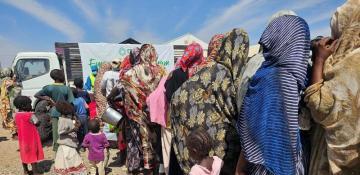
Thousands of civilians on both sides have since been evacuated to emergency shelters.
On Monday, the ceasefire deal was brokered in Malaysia following a meeting between Cambodian Prime Minister Hun Manet and Thai Deputy Prime Minister Phumtham Wechayachai, facilitated by Malaysian Prime Minister Anwar Ibrahim.
The agreement includes commitments to pull back troops and allow independent observers to monitor the situation.
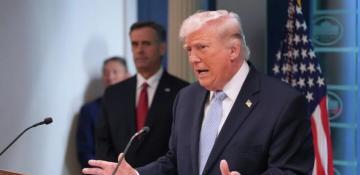
Hun Manet called the meeting "very good" and emphasized Cambodia’s interest in peace. Thailand’s participation in the talks followed pressure from U.S. President Donald Trump, who warned of delaying trade negotiations if the violence continued.
The Thai-Cambodian border conflict dates back decades, with a major flashpoint occurring in 2008 when Cambodia sought to register the Preah Vihear Temple, a centuries-old Hindu site, as a UNESCO World Heritage Site. Thailand opposed the move, claiming the temple sits on disputed land.
Since then, both countries have seen intermittent border clashes, with fatalities on both sides. Recent months have seen growing restrictions: Cambodia halted imports of Thai goods and services, while both sides increased troop deployments.
The coming days will test whether the ceasefire can hold and whether both nations are willing to commit to de-escalation.


Similar news