UK airlines cut 13,000 flights as fuel costs surge


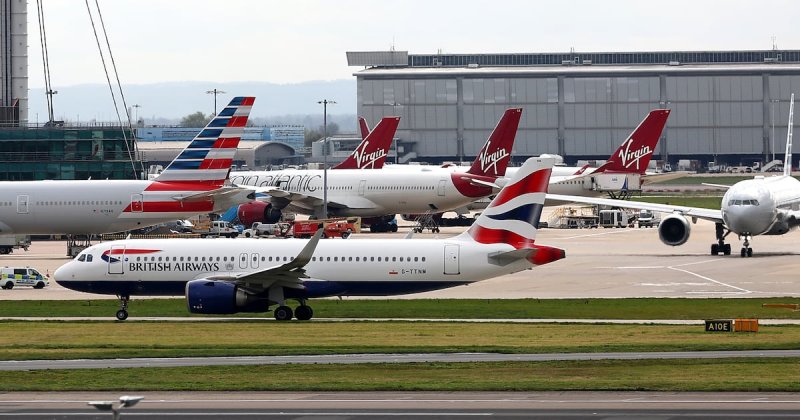
Airlines in the United Kingdom have cut around 13,000 flights globally in May as jet fuel prices soar בעקבות the conflict in the Middle East.
New data shows UK carriers have removed nearly two million seats from schedules this month, with the reductions coming ahead of the country’s half-term holidays at the end of May, News.Az reports, citing BBC News.
According to aviation analytics firm Cirium, the largest drop in flights has been recorded in Istanbul and Munich.
The trade body representing British airlines said operations are continuing as normal and there are currently no fuel supply issues. However, it welcomed government contingency plans that would allow airlines to cancel flights without losing valuable take-off and landing slots.
RECOMMENDED STORIES
Cancellations in May account for about 1% of global flights, and UK routes to key summer holiday destinations remain unaffected, according to the Advantage Travel Partnership.
Its chief executive, Julia Lo Bue-Said, said airlines are reviewing underperforming routes and may consolidate or cancel services where necessary.
Overall, she described the level of cancellations as “marginal,” adding that UK departures, including popular summer destinations, remain stable and travelers can continue booking with confidence.
Jet fuel prices have more than doubled since the start of the war. A tonne of fuel was priced at $831 in late February but surged to $1,838 by early April.
Although airlines say they are not yet facing fuel shortages, experts warn that disruptions linked to the Iran conflict could lead to supply constraints within weeks.
Several carriers have already increased ticket prices. Airlines such as Air France, KLM, Air Canada, Delta Air Lines and Scandinavian Airlines have also reduced their summer schedules.
The destinations seeing the highest number of cancellations include Istanbul, Chicago O'Hare International Airport, Dallas Fort Worth International Airport, Denver, Atlanta, Frankfurt, George Bush Intercontinental Airport, Charles de Gaulle Airport, Amsterdam Schiphol Airport and Charlotte Douglas International Airport.
Meanwhile, the chief executive of Wizz Air said some European ticket prices are falling as airlines attempt to attract hesitant travelers.
German aviation group Lufthansa ранее announced plans to cut 20,000 flights between now and the end of October.
In mid-April, the head of the International Energy Agency (IEA), which advises 32 governments on energy security, warned that Europe could face jet fuel shortages by June unless alternative supplies are secured.
In the UK, the government is preparing several measures, including allowing airlines to cancel flights at major hubs such as Heathrow Airport without losing take-off and landing slots.
At the weekend, Transport Secretary Heidi Alexander said she expects most travelers to experience similar conditions to last summer.
She added that there is currently no disruption to jet fuel supplies, though the situation remains uncertain and continues to evolve.
The UK imports around 65% of its jet fuel, much of it typically sourced from the Middle East. However, the closure of the Strait of Hormuz—a key corridor for oil and liquefied natural gas—has prevented those supplies from reaching their destinations.
By Nijat Babayev


Similar news