UN Human Rights Council membership reshuffled in uncompetitive 'election'


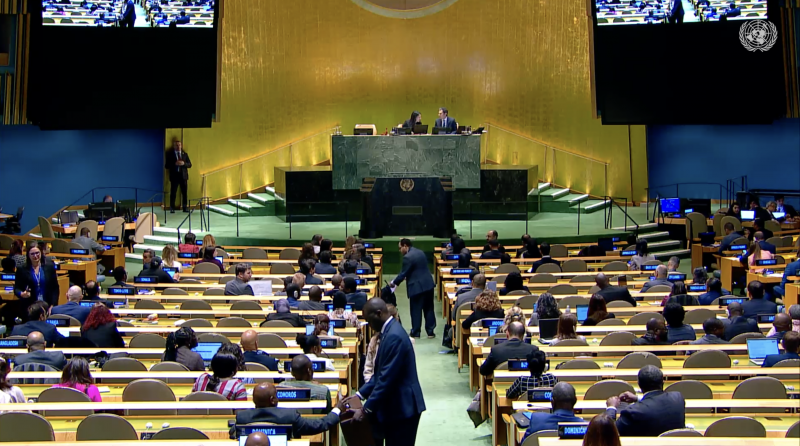
UN General Assembly Member States elected 14 members to the Human Rights Council, with seats allocated proportionally across the body's five official regional groups. Each regional group fielded exactly the number of candidates as there were available seats, making the vote a mere formality.
For years, ISHR has campaigned for States to field competitive regional slates and only vote for candidates that are willing and able to uphold and expand human rights, News.Az reports citing foreign media.
Based on the Human Rights Council’s own membership criteria, as set out in General Assembly resolution 60/251 that established the body in March 2006, ISHR produced a series of individual and regional scorecards examining the records of all candidates running.
This year, six of 14 States seeking election did not meet most of the 17 criteria laid out in the ISHR scorecards.
Since they first took place in 2007, Human Rights Council elections have frequently featured multiple uncompetitive regional slates. Most votes have only involved one (2010, 2012, 2020, 2024) or two competitive slates (2011, 2013, 2014, 2015, 2016, 2017, 2019, 2022 and 2023) at a time. Neither is this the first time States have put forward wholly uncompetitive slates across all regions: this has happened four times already in 2008, 2009, 2018 and 2021.
However, this year’s vote seems particularly out of place given the financial and legitimacy crises that are rocking the UN. Driven by a chronic shortfall in funding that was accelerated by the United States’ sudden shift away from multilateral diplomacy by the new Trump administration, UN Secretary-General António Guterres has put forward sweeping reform proposals under the umbrella of the ‘UN80’ initiative.
In September this year, Guterres proposed a budget that would likely make drastic cuts to the already seriously under-resourced human rights programs and initiatives of the UN, which is likely to hinder the work of the Human Rights Council, the investigative bodies and mechanisms it mandates, and the independent Special Procedures experts that Council States have established to inform their work. In this context, membership of the Council should only be sought by States that are capable of and willing to defend fundamental rights and a strong and responsive human rights pillar for the UN.


Similar news