UN in Iran calls for doubling of funding to address post-war recovery and humanitarian needs


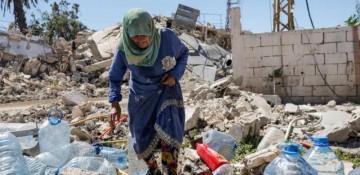
In the wake of the recent conflict between Iran and Israel, the United Nations is calling for a significant increase in its aid budget for Iran to meet rapidly evolving humanitarian and development needs.
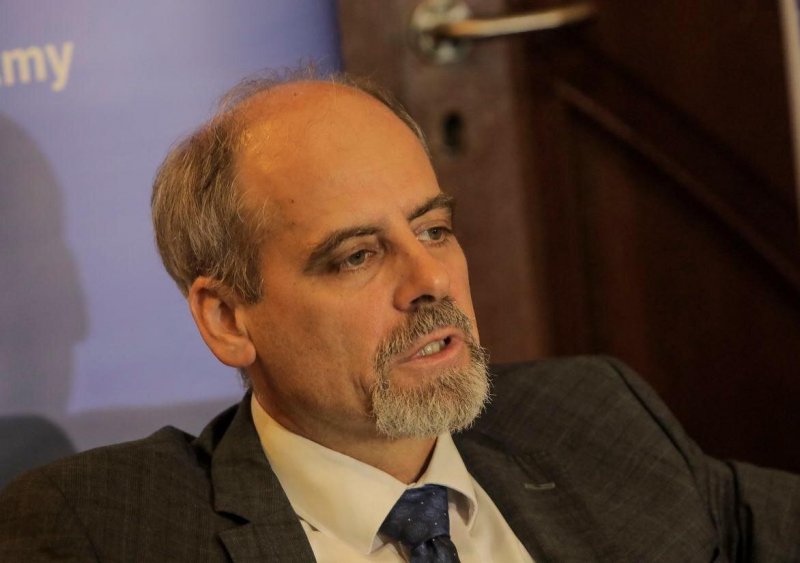
Stefan Priesner, the UN Resident Coordinator in Iran, said during a press briefing in Geneva that funding for 2025 should be “at least doubled” following Israel’s military strikes on June 13, which targeted Iranian military, nuclear, and civilian infrastructure, News.Az reports, citing Iranian media.
Iran responded with missile and drone attacks, and a ceasefire was reached on June 24.
“We are now doing the budgeting,” Priesner said. “It’s a significant increase… We certainly would expect a doubling of the funding.” In 2024, the UN's operational budget for Iran totaled $75 million, $50 million for refugee assistance and $25 million for development programs.
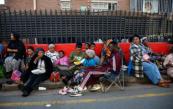
Iran hosts the world’s largest refugee population, including roughly 3.5 million Afghans, making humanitarian support more urgent in light of recent events. Priesner stressed that aid and development must be treated separately from political tensions and expressed hope that the international community will step up its contributions.
The UN and the Iranian government had already been working under the United Nations Sustainable Development Cooperation Framework (UNSDCF) 2023–2027, signed in March 2023.
The framework supports Iran’s 7th National Development Plan and is structured around five strategic pillars:
- Public health management
- Socio-economic resilience
- Environmental protection and climate action
- Disaster risk reduction and management
- Drug control and border management
Following the conflict, Priesner confirmed that discussions are underway to adapt the UNSDCF to meet new and emerging needs, including recovery efforts in affected regions and supporting displaced communities.
“Transformative and innovative policies are needed to tackle complex challenges and support the most vulnerable,” said Priesner.
Despite operational disruptions caused by the conflict, the UN has resumed normal activity in Iran. Its team includes around 50 international staff and 500 local staff. Some employees and their families were temporarily displaced during the bombings but have since returned to their posts.
The UN also reaffirmed its commitment to continued regional cooperation, South-South and Triangular collaboration, and alignment with Iran’s development goals, especially in public health, job creation, education, climate resilience, and narcotics control.


Similar news