UNICEF urges careful design of social media rules for children


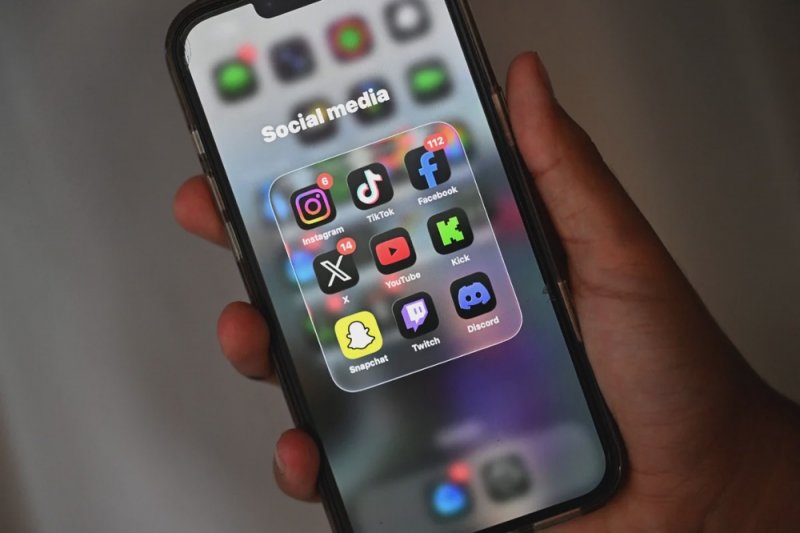
As countries increasingly consider stricter rules for children’s access to social media, UNICEF has called for a balanced approach that protects minors while preserving their digital rights. Proposals, ranging from age limits to outright bans, are gaining momentum amid rising concern about social media’s impact on children’s mental health, learning, and social skills.
Recent studies show that 97% of children go online daily, with 78% checking devices at least once an hour. Experts warn that excessive use can affect concentration, sleep, and real-life communication, News.Az reports, citing Turkish media.
Aaron Greenberg, UNICEF regional adviser for child protection in Europe and Central Asia, said age restrictions can help some children focus but also risk pushing them into unregulated spaces and limiting their access to valuable information. He stressed that bans may reduce platforms’ incentives to improve safety or educational content.
“Managing smartphone and social media use in classrooms, alongside teaching digital safety skills, can be highly effective,” Greenberg said, emphasizing the importance of consulting children when developing policies.
The push for tighter rules is growing. The European Parliament recently proposed banning social media for children under 16 without parental consent, following Australia’s pioneering nationwide restriction. Other European nations, including Norway, Denmark, Ireland, Spain, and France, are also considering stricter regulations.
UNICEF supports governments’ efforts but advises pairing restrictions with strong platform obligations, robust privacy safeguards, and monitoring to ensure children’s safety and well-being.


Similar news