US ends low-value package tariff exemption, raising costs for shippers and consumers


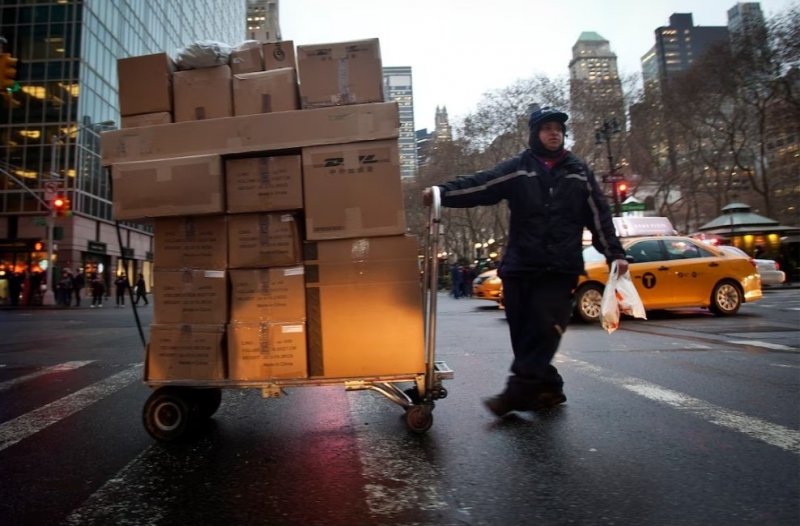
The U.S. has officially ended its long-standing tariff exemption for imported packages valued under $800, disrupting e-commerce supply chains and raising costs for businesses and consumers.
Beginning Friday, U.S. Customs and Border Protection (CBP) started applying standard duty rates on all parcels, regardless of value or origin, while offering a temporary flat-rate duty of $80–$200 for shipments via foreign postal services, News.az reports, citing Reuters.
The move expands the Trump administration’s earlier decision to scrap the exemption for packages from China and Hong Kong in May, part of an effort to curb fentanyl imports. White House trade adviser Peter Navarro said the measure could generate up to $10 billion annually in tariff revenues while protecting U.S. industries and jobs.
The exemption, in place since 1938 and raised to $800 in 2015, fueled the rise of direct-to-consumer e-commerce firms like Shein and Temu. Critics, including U.S. textile manufacturers, hailed the policy shift as a “historic win” against unfair competition and forced labor imports. CBP data shows de minimis shipments surged from 139 million in 2015 to 1.36 billion in 2024, averaging nearly 4 million parcels daily.


Similar news