US seeks tariff talks with China, state media reports


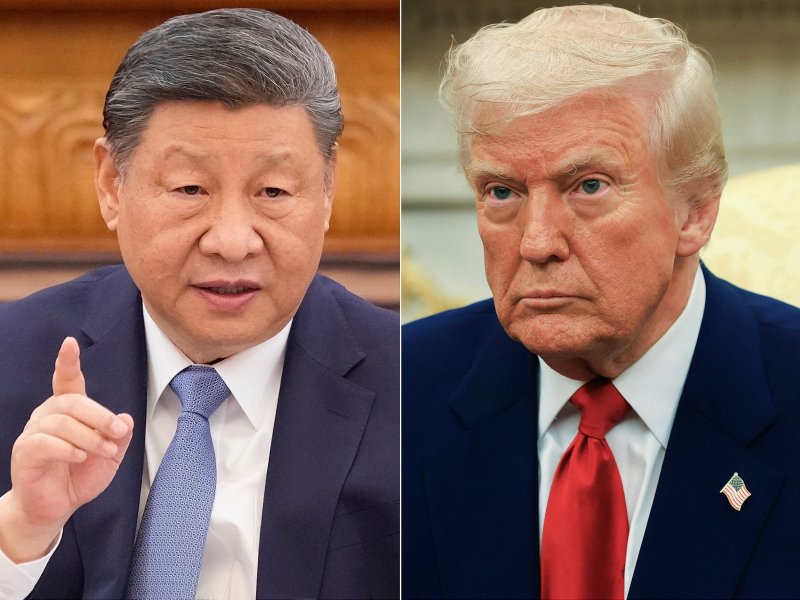
The United States has reached out to China to initiate talks regarding President Donald Trump’s 145% tariffs, following economic data indicating a sharp downturn in the U.S. economy.
A social media account affiliated with Chinese state media said on Thursday the US signalling the US is desperate to begin negotiations with Beijing, News.Az reports citing foreign media.
“The U.S. has proactively reached out to China through multiple channels, hoping to hold discussions on the tariff issue,” Yuyuan Tantian said in a post published on its official Weibo social media account, citing anonymous sources.
U.S. officials, including Treasury Secretary Scott Bessent and White House economic adviser Kevin Hassett, also expressed hope for progress in easing trade tensions.
Hassett told CNBC that there have been “loose discussions all over both governments” about the tariffs and China’s easing of duties on some U.S. goods last week was a sign of progress.
Beijing has made little effort to contain its anger at the tariffs, which it says are tantamount to bullying and cannot stop the rise of the world’s second-largest economy. Instead, it has directed its fury at rallying public and global condemnation of the import curbs – showing no interest in a reprieve.
That said, alongside leveraging its propaganda machine to hit back at the duties, China has quietly created a list of U.S.-made products it will exempt from its retaliatory 125% tariffs – including select pharmaceuticals, microchips and jet engines – Reuters has reported, to ease the duties’ impact.
Bessent mentioned no specific talks during a Fox Business Network interview, but said that high tariffs of 145% on the U.S. side and 125% on the Chinese side needed to be de-escalated for negotiations to begin.
“I am confident that the Chinese will want to reach a deal. And as I said, this is going to be a multi-step process,” Bessent said. “First, we need to de-escalate, and then over time, we will start focusing on a larger trade deal.”
He said that among the first steps would be to revisit China’s failure to make good on purchase commitments for American goods made as part of Trump’s 2020 “Phase 1” trade deal that ended his first-term trade war with Beijing.
That deal called for China to increase purchases of American manufactured and agricultural products and services by $200 billion annually over two years, but the COVID-19 pandemic hit just after its signing.
Bessent also said that “insidious” non-tariff trade barriers and intellectual property theft also would be part of negotiations over tariffs with China, adding: “everything is on the table for the economic relationship.”


Similar news