What is behind Iran's latest crackdown on ethnic minorities, activists and critics?


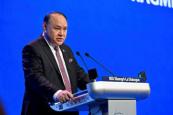
Iranian authorities have arrested prominent political analyst and academic Sadegh Zibakalam in what observers view as part of a broader effort to tighten control over political expression following months of unrest and growing domestic tensions.
The arrest comes amid a series of actions targeting activists, protesters, ethnic minorities, religious figures, and government critics, News.az reports.
At the same time, courts have upheld prison sentences against individuals arrested during nationwide demonstrations earlier this year, while rights organizations have raised concerns about additional detentions involving Sunni and Kurdish citizens.
Taken together, these developments have renewed debate about freedom of expression, political dissent, and human rights in Iran.
Who Is Sadegh Zibakalam?
Sadegh Zibakalam is one of Iran's most well-known political commentators and academics.
A professor and political analyst, he has become widely recognized for expressing views that often differ from those of Iran's political establishment. Over the years, he has frequently appeared in interviews, public debates, and media discussions addressing domestic politics, foreign policy, governance, and social issues.
Although Zibakalam generally operates within Iran's political system rather than outside it, his criticism of government policies has repeatedly attracted attention from authorities.
His comments have often generated controversy because he openly discusses sensitive political topics that many public figures avoid.
As a result, he has faced multiple legal challenges and restrictions throughout his public career.
Why Was Zibakalam Arrested?
According to Iranian authorities, the arrest is linked to alleged violations of judicial restrictions previously imposed on him.
Earlier this year, authorities reportedly prohibited Zibakalam from participating in media activities or publishing content on social media for a specified period. Officials later claimed that he violated those restrictions by participating in a new interview.
Authorities stated that a new complaint had been filed and that judicial supervision measures had been strengthened before his arrest.
While officials have confirmed that a legal case is under review, the precise charges in the latest proceeding have not been publicly disclosed.
The lack of detailed information has prompted questions from observers regarding the exact legal basis for the arrest.
Why Is Zibakalam Such a Prominent Figure?
Zibakalam occupies a unique position within Iran's political landscape.
Unlike many opposition figures who operate outside the country, he has long expressed his views from within Iran itself. His criticism is often framed as reform-oriented rather than revolutionary, which has allowed him to remain an influential public voice despite recurring legal pressure.
Supporters view him as an advocate for open debate and political reform. Critics argue that some of his statements challenge official narratives on important national issues.
Because of his prominence, actions against Zibakalam often attract attention both inside and outside Iran.
His arrest is therefore being viewed not only as an individual legal case but also as a signal regarding the broader political environment.
What Happened During the January 2026 Protests?
The January 2026 protests emerged amid growing economic and social frustrations across various parts of Iran.
Demonstrations reportedly involved citizens expressing concerns about economic conditions, governance issues, and broader political grievances.
Although the scale varied between cities and regions, authorities responded with arrests and increased security measures.
Like previous waves of protests in Iran, the demonstrations became a focal point in debates about public dissatisfaction, political participation, and state responses to dissent.
Hundreds of individuals were reportedly questioned, detained, or investigated in connection with protest-related activities.
The consequences of those demonstrations continue to unfold through ongoing legal proceedings.
Why Were Two Protesters Sentenced to Prison?
The recent court ruling involved two individuals arrested during the January demonstrations.
According to reports, appellate judges upheld prison sentences against Iman Shahpari and Arman Key Shams. The sentences relate to allegations of disrupting public order during the protests.
The court reportedly maintained prison terms of two years and one day, although part of each sentence was suspended.
The decision means that legal consequences arising from the January protests continue months after the demonstrations themselves ended.
For rights advocates, the case illustrates how protest-related prosecutions remain a significant component of the government's response to unrest.
Why Are Human Rights Groups Criticizing These Sentences?
Human rights observers argue that the legal provisions used in the case reflect a security-oriented approach toward protest activity.
Critics point to the use of legal provisions associated with serious national security offences rather than ordinary public-order statutes.
According to these groups, employing such provisions can result in harsher penalties and stronger prosecutorial powers.
Rights organizations have long expressed concern that protest-related cases in Iran are often treated as security matters rather than ordinary criminal proceedings.
Supporters of the government's approach argue that authorities must maintain public order and address activities perceived as threatening stability.
The disagreement reflects a broader debate over how states should respond to political protests.
Why Are Rights Groups Concerned About a Sunni Cleric's Arrest?
Human rights organizations have also expressed concern about the detention of Sunni cleric Molavi Abdolaziz Omarzahi.
According to reports, intelligence agents detained him in Zahedan before transferring him to an undisclosed location.
As of the latest reports, authorities had not publicly announced charges against him or disclosed information regarding his whereabouts and condition.
The lack of publicly available information has become a central concern for rights advocates.
Observers note that detentions involving religious figures often attract particular attention because they may affect broader community relations and religious freedoms.
The case has therefore generated concern among both local activists and international monitoring organizations.
Why Is Zahedan Frequently Mentioned in Rights Reports?
Zahedan is the capital of Sistan and Baluchestan Province, a region that has frequently appeared in human rights reports.
The province is home to a large Sunni Muslim and Baluch population, making it demographically distinct from many other parts of predominantly Shia Iran.
The region has historically experienced tensions related to economic development, security concerns, ethnic identity, and religious representation.
As a result, arrests involving religious leaders or local activists often attract heightened attention from rights organizations.
Developments in Zahedan are frequently viewed within the broader context of relations between the state and minority communities.
Why Are Kurdish Detainees Receiving International Attention?
The detention of three Kurdish citizens has generated concern because of reports regarding their treatment after arrest.
According to rights organizations, the individuals were detained by intelligence agents and have allegedly been denied access to lawyers and family visits.
One detainee reportedly began a hunger strike while being held in solitary confinement.
Human rights groups argue that prolonged isolation, limited legal access, and uncertainty regarding detainees' conditions raise serious concerns.
Authorities have not publicly announced charges against the three individuals.
The absence of official information has contributed to growing scrutiny of the case.
Why Are Kurdish Issues So Sensitive in Iran?
Iran's Kurdish population primarily lives in the country's western regions.
Over many decades, Kurdish areas have experienced periodic tensions involving political representation, cultural rights, economic development, and security concerns.
The government frequently emphasizes national unity and security, while some Kurdish activists advocate greater cultural and political rights.
As a result, arrests involving Kurdish citizens often receive significant attention from both domestic and international observers.
The sensitivity surrounding these issues means that even individual cases can quickly become part of wider discussions about minority rights.
What Is a Hunger Strike and Why Is It Significant?
A hunger strike is a form of protest in which detainees refuse food to draw attention to grievances or demands.
Throughout history, prisoners around the world have used hunger strikes to protest detention conditions, legal proceedings, or perceived injustices.
Human rights organizations often monitor such cases closely because prolonged hunger strikes can create serious medical risks.
The reported hunger strike by one Kurdish detainee has therefore intensified concerns regarding detention conditions and access to legal protections.
Authorities generally face increased scrutiny whenever detainees resort to such measures.
What Do These Cases Have in Common?
Although the cases involve different individuals and circumstances, they share several common themes.
Each concerns individuals who have attracted attention because of political activity, public expression, protest participation, religious leadership, or ethnic identity.
Human rights organizations argue that these cases reflect broader patterns involving restrictions on dissent and increased security oversight.
Government officials, meanwhile, maintain that legal actions are conducted according to national laws and judicial procedures.
The competing interpretations highlight ongoing disagreements over political freedoms and state authority.
What Do These Developments Say About Iran's Political Climate?
The arrests and court rulings suggest that political tensions remain significant in Iran.
Authorities continue to emphasize security, public order, and enforcement of judicial decisions. At the same time, critics argue that restrictions on activists, journalists, political commentators, and minority figures have become increasingly visible.
The aftermath of the January protests demonstrates that the state remains focused on preventing renewed unrest.
Observers note that economic challenges, political debates, and regional tensions continue to influence domestic developments.
As a result, issues involving dissent, protest activity, and civil liberties remain highly sensitive.
What Happens Next?
Several of the cases remain unresolved.
Authorities have not yet publicly disclosed the specific charges facing Sadegh Zibakalam in the latest proceedings. Information regarding the Sunni cleric's status also remains limited.
Meanwhile, the Kurdish detainees continue to attract attention from rights organizations seeking clarification regarding their legal situation and detention conditions.
The prison sentences against the protest detainees indicate that legal consequences related to the January demonstrations are likely to continue.
Future developments will depend on court decisions, government actions, and responses from domestic and international observers.
The Bottom Line
The arrest of political analyst Sadegh Zibakalam, the prison sentences handed down to two January protest detainees, and the reported detention of a Sunni cleric and three Kurdish citizens have intensified scrutiny of Iran's political and human rights situation. While authorities describe the actions as legal and judicial matters, rights organizations argue that they reflect broader concerns about freedom of expression, political dissent, minority rights, and detention practices. As investigations and legal proceedings continue, these cases are likely to remain at the center of discussions about Iran's political climate and the government's approach to criticism and protest.
By Faig Mahmudov


Similar news