What is cultural diplomacy and how it shapes a country’s image


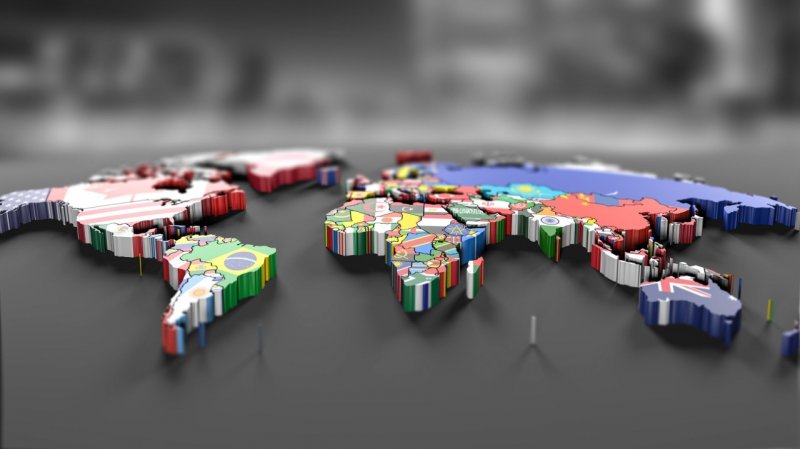
Cultural diplomacy is one of the most effective and refined tools of modern international relations. Unlike political or economic diplomacy, which often involves negotiation, competition, or power struggles, cultural diplomacy relies on soft power — on art, education, science, language, sports, and shared values. It allows countries to build bridges rather than walls, fostering understanding, trust, and long-term partnerships across borders, News.Az reports.
At its essence, cultural diplomacy is about communication through culture — a universal language that unites rather than divides.
The essence of cultural diplomacy
Cultural diplomacy is the use of a nation’s culture, traditions, and creative industries as instruments of foreign policy. It’s not limited to classical art or history — it also includes cinema, music, cuisine, design, architecture, education, and even popular culture. The goal is to show the world who you are — your story, values, and worldview — in a way that inspires respect and curiosity rather than fear or prejudice.
Through cultural diplomacy, governments seek to:
- Strengthen friendly relations and cooperation with other nations;
- Promote their national identity abroad;
- Improve their international reputation;
- Support tourism and trade;
- Reduce tensions and build mutual trust.
The American scholar Joseph Nye, who introduced the concept of soft power, argued that in the modern world, the ability to attract and inspire is just as important as the ability to command. Cultural diplomacy is precisely the tool that allows states to exercise this kind of influence.
Forms and tools of cultural diplomacy
Cultural diplomacy can manifest in many forms:
- Language and education programs.
The British Council (UK), Goethe-Institut (Germany), Institut Français (France), and Confucius Institutes (China) are among the best-known examples. These organizations teach languages and promote national culture, shaping global perceptions of their countries as centers of creativity and learning. - Student and expert exchanges.
The U.S. Fulbright Program, Germany’s DAAD, and Japan’s JENESYS create personal ties between nations through academic mobility. People who study or work abroad often return home as informal ambassadors for the countries they experienced. - Cultural events and festivals.
Art exhibitions, film festivals, and national days — from France’s “Fête de la Musique” to South Korea’s K-pop concerts and Türkiye’s international cultural weeks — all strengthen emotional and cultural connections between societies. - Heritage preservation and museum diplomacy.
Cooperation through UNESCO, exhibitions of national treasures abroad, and archaeological missions foster respect for global cultural heritage. - Sports diplomacy.
Global events like the Olympic Games, World Cups, and Expos are stages where countries present not just athletic excellence but also national culture and unity.
Examples of cultural diplomacy around the world
- France has long been considered a pioneer of cultural diplomacy. Through its vast network of Institut Français and Alliance Française centers, France promotes its language, literature, art, and philosophy, reinforcing its reputation as a global hub of culture and sophistication.
- The United States uses its vast entertainment industry as a tool of soft power. Hollywood, jazz, fashion, and pop culture have long shaped global perceptions of America as dynamic, creative, and forward-looking. Programs like Fulbright and initiatives by the Smithsonian Institution also strengthen academic and cultural ties.
- Japan has successfully promoted its national identity through the global popularity of anime, manga, cuisine, and design. The government’s “Cool Japan” initiative has turned cultural exports into a major element of foreign policy, making Japan synonymous with creativity, innovation, and respect for tradition.
- South Korea achieved extraordinary success through its “Korean Wave” (Hallyu). K-pop, Korean dramas, and cinema have made the country a global cultural phenomenon, driving tourism, boosting exports, and strengthening Korea’s global image as a modern, trendsetting nation.
- China has invested heavily in cultural diplomacy through Confucius Institutes around the world and major international events like the Beijing Olympics and World Expos. The promotion of Chinese art, language, and philosophy supports Beijing’s effort to present itself as a leader of ancient wisdom and modern progress.
- Türkiye pursues cultural diplomacy via the Yunus Emre Institute and globally popular Turkish TV series, which have captivated audiences across the Middle East, Central Asia, and Latin America. These cultural exports have enhanced Türkiye’s image as a regional power that bridges East and West.
- Italy continues to draw admiration through its art, architecture, fashion, and cuisine. Institutions like the Società Dante Alighieri and exhibitions of Renaissance masterpieces keep Italy associated with beauty, elegance, and creativity.
- Spain projects its culture through the Instituto Cervantes, which promotes the Spanish language and Hispanic culture worldwide, strengthening Spain’s global presence from Latin America to Asia.
- Azerbaijan has emerged as a regional leader in cultural diplomacy. By organizing international events such as the World Forum on Intercultural Dialogue and the Baku Humanitarian Forum, Azerbaijan promotes dialogue among civilizations and presents itself as a bridge between Europe and Asia. The country also supports global initiatives in music, art, and heritage preservation, enhancing its image as a center of multiculturalism and tolerance.
How cultural diplomacy shapes a country’s image
Cultural diplomacy does not simply project a country’s identity — it defines how others perceive it. A strong cultural image can:
- Enhance international reputation.
A nation admired for its culture, art, and innovation is seen as stable, trustworthy, and open. - Support economic growth.
Cultural popularity boosts tourism, exports, and foreign investment — as seen in the global demand for Korean cosmetics, Japanese technology, or French fashion. - Strengthen political influence.
Countries with cultural credibility find it easier to build alliances and attract partners. Cultural diplomacy often softens political differences. - Bridge divisions and foster peace.
Cultural and educational exchanges can continue even when political dialogue is frozen, maintaining contact and understanding between societies. - Promote national unity and pride.
Cultural achievements abroad also inspire pride and confidence at home, reinforcing a sense of shared identity.
The new era of cultural diplomacy
In the digital age, culture travels faster than ever. Social media, streaming platforms, and online education have turned cultural diplomacy into a real-time global conversation. Netflix, YouTube, and TikTok now serve as global cultural arenas where nations compete for attention through creativity and authenticity.
However, this new environment also requires responsibility. True cultural diplomacy is not propaganda — it is dialogue, based on respect, curiosity, and equality. The goal is not to dominate others culturally but to share and connect.
In conclusion
Cultural diplomacy is the art of winning hearts through ideas, not through power. It shows that a country’s greatest influence often comes not from its armies or economies, but from its artists, thinkers, teachers, and the stories it tells the world.
Countries like France, Japan, South Korea, the United States, China, Türkiye, and Azerbaijan demonstrate that culture can shape how the world sees them — as creative, confident, and forward-looking nations.
In a world where political tensions often divide, cultural diplomacy reminds us of what unites humanity: curiosity, creativity, and the shared desire to understand one another. Through culture, nations speak not just to governments — but to people. And that is where true diplomacy begins.


Similar news