What is hantavirus and why are infections causing global concern?


What is hantavirus?
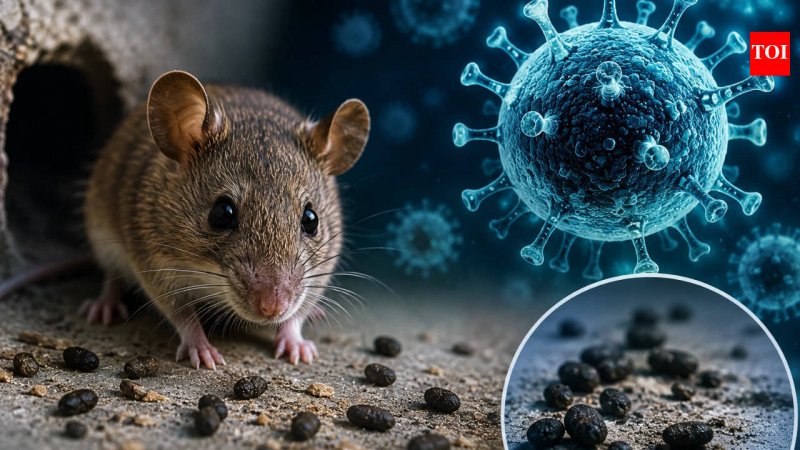
Hantavirus is a group of viruses primarily carried by rodents. Humans can become infected through contact with infected rodents, their urine, droppings, saliva, or contaminated dust particles in the air. Although hantavirus infections are relatively rare compared to many other infectious diseases, they can cause severe and sometimes fatal illnesses in humans.
RECOMMENDED STORIES
The virus has gained international attention because outbreaks occasionally appear suddenly, often in rural or wilderness areas, and some forms of the disease carry a high mortality rate. Public concern usually rises whenever new cases are reported, especially because symptoms can initially resemble common flu-like illnesses before rapidly becoming life threatening.
Hantaviruses are found in different parts of the world, including North America, South America, Europe, and Asia. Different strains of the virus are linked to different rodent species and may cause different illnesses.
The disease is not considered highly contagious between humans in most cases. However, a few rare strains in South America have shown limited human to human transmission, which has increased scientific interest and monitoring efforts.
Where does the name “hantavirus” come from?
The term “hantavirus” originates from the Hantan River area in South Korea. The virus was first identified during investigations into an illness that affected thousands of soldiers during the Korean War in the early 1950s.
Researchers later discovered that the disease was connected to rodents living in the region. Since then, scientists have identified many related hantavirus strains across different continents.
The name eventually became the umbrella term for this entire family of rodent borne viruses.
What illnesses does hantavirus cause?
Hantavirus infections can lead to two major syndromes:
- Hantavirus pulmonary syndrome (HPS)
- Hemorrhagic fever with renal syndrome (HFRS)
The type of illness often depends on the specific strain of the virus and the geographic region where infection occurs.
Hantavirus pulmonary syndrome is more commonly associated with the Americas, particularly the United States, Canada, Argentina, Chile, and parts of South America.
Hemorrhagic fever with renal syndrome is more common in Europe and Asia.
Both illnesses can become severe and require hospitalization.
What is hantavirus pulmonary syndrome?
Hantavirus pulmonary syndrome, often abbreviated as HPS, is a serious respiratory illness caused by certain hantavirus strains found in the Americas.
The disease usually begins with symptoms that resemble influenza or other viral infections. Patients may initially experience fever, muscle aches, fatigue, headaches, chills, nausea, vomiting, or abdominal pain.
After several days, symptoms can suddenly worsen. The lungs may begin filling with fluid, making breathing increasingly difficult. Patients can rapidly develop severe respiratory distress and may require intensive medical care, including mechanical ventilation.
The condition can become fatal if not treated promptly.
What is hemorrhagic fever with renal syndrome?
Hemorrhagic fever with renal syndrome affects blood vessels and kidneys. It is caused by hantavirus strains found mainly in Europe and Asia.
Symptoms may include:
- High fever
- Headaches
- Back pain
- Abdominal pain
- Blurred vision
- Low blood pressure
- Kidney dysfunction
- Bleeding problems
The severity varies widely depending on the strain involved. Some forms cause relatively mild illness, while others can be deadly.
Kidney damage is a major concern in HFRS cases, and some patients may temporarily require dialysis.
How do people become infected with hantavirus?
Humans are usually infected through exposure to infected rodent waste or secretions.
The most common transmission route occurs when virus particles from rodent urine, droppings, or saliva become airborne and are inhaled.
This can happen during activities such as:
- Sweeping rodent infested cabins
- Cleaning sheds or garages
- Entering abandoned buildings
- Handling firewood
- Camping in rodent populated areas
- Disturbing contaminated dust
People may also become infected by touching contaminated surfaces and then touching their mouth, nose, or eyes.
Rodent bites can theoretically transmit the virus as well, though this is considered less common.
Can hantavirus spread from person to person?
Most hantavirus strains do not spread between humans.
In North America, there is no confirmed evidence of sustained human to human transmission for the strains commonly found there.
However, certain strains in South America, particularly the Andes virus, have shown rare cases of person to person spread.
These cases remain uncommon, but they are important from a public health perspective because they demonstrate that not all hantavirus strains behave identically.
Health authorities therefore monitor outbreaks carefully, especially in areas where Andes virus circulates.
Which rodents carry hantavirus?
Different rodent species carry different hantavirus strains.
Some of the most important carriers include:
- Deer mice
- Cotton rats
- Rice rats
- White footed mice
- Bank voles
- Field mice
Rodents infected with hantavirus generally do not appear sick. They can carry and shed the virus for extended periods.
The type of rodent involved often depends on the region.
For example:
- Deer mice are strongly associated with hantavirus infections in the United States
- Bank voles are linked to infections in parts of Europe
- Striped field mice are important carriers in Asia
Understanding rodent ecology is therefore a major part of hantavirus prevention strategies.
Why is hantavirus considered dangerous?
Hantavirus is considered dangerous because severe cases can deteriorate rapidly and mortality rates can be high.
In hantavirus pulmonary syndrome, breathing complications can develop suddenly after several days of seemingly mild illness.
Patients may move from fever and muscle pain to severe respiratory failure within a short period.
Some hantavirus strains have fatality rates ranging from approximately 30 percent to 40 percent in severe pulmonary cases.
Even with modern medical care, the disease remains potentially deadly.
Another challenge is that early symptoms resemble many other illnesses, which can delay diagnosis.
How common is hantavirus?
Hantavirus infections are relatively rare compared to diseases such as influenza, COVID-19, or seasonal respiratory viruses.
However, rarity does not eliminate concern because outbreaks can be severe.
In some countries, only a small number of cases are recorded annually. In others, periodic spikes occur depending on environmental conditions and rodent population changes.
Heavy rainfall, increased vegetation growth, food availability, and ecological shifts can all influence rodent numbers and increase the likelihood of human exposure.
Scientists therefore pay close attention to environmental patterns that may contribute to outbreaks.
Where are hantavirus cases most common?
Hantavirus cases have been reported across many regions of the world.
In the Americas, cases are most commonly associated with rural areas and wilderness regions.
Countries with reported infections include:
- United States
- Canada
- Argentina
- Chile
- Brazil
- Panama
In Europe and Asia, hantavirus infections are reported in countries including:
- China
- South Korea
- Russia
- Finland
- Sweden
- Germany
- France
China records a particularly high number of hemorrhagic fever with renal syndrome cases annually compared with many other countries.
How was hantavirus first discovered in the United States?
Hantavirus gained major attention in the United States during a 1993 outbreak in the Four Corners region, where Arizona, New Mexico, Colorado, and Utah meet.
Young, otherwise healthy individuals developed sudden respiratory failure and several died unexpectedly.
Investigators eventually linked the outbreak to deer mice carrying a previously unidentified hantavirus strain later named Sin Nombre virus.
The outbreak significantly expanded public awareness about rodent borne diseases and led to increased scientific research.
What are the first symptoms of hantavirus?
Early symptoms often resemble common viral illnesses.
Initial signs may include:
- Fever
- Fatigue
- Muscle aches
- Headache
- Chills
- Dizziness
- Nausea
- Vomiting
- Diarrhea
- Abdominal pain
Muscle pain, particularly in large muscle groups such as the thighs, hips, back, and shoulders, is frequently reported.
Because these symptoms overlap with many other infections, hantavirus can initially be difficult to recognize.
How quickly do severe symptoms appear?
In hantavirus pulmonary syndrome, severe symptoms often emerge four to ten days after the initial illness begins.
Patients may suddenly develop:
- Shortness of breath
- Persistent coughing
- Tightness in the chest
- Rapid heartbeat
- Fluid accumulation in the lungs
This phase can progress very rapidly and become life threatening within hours.
Immediate medical care is critical once breathing difficulties appear.
How long is the incubation period?
The incubation period refers to the time between exposure and the onset of symptoms.
For hantavirus, this period is usually between one and eight weeks, though exact timing may vary depending on the virus strain and level of exposure.
The relatively long incubation period can sometimes make it difficult for patients to identify when and where they encountered infected rodents.
How is hantavirus diagnosed?
Doctors diagnose hantavirus using a combination of:
- Symptom evaluation
- Exposure history
- Laboratory testing
Patients who recently visited rodent infested environments and develop compatible symptoms may raise suspicion for hantavirus infection.
Blood tests can detect antibodies or genetic material related to the virus.
Chest imaging may also reveal fluid buildup in the lungs in pulmonary cases.
Rapid diagnosis is important because patients can deteriorate quickly.
Is there a cure for hantavirus?
There is currently no specific antiviral cure approved universally for hantavirus infections.
Treatment mainly focuses on supportive medical care.
This may include:
- Oxygen therapy
- Intensive care monitoring
- Mechanical ventilation
- Intravenous fluids
- Blood pressure stabilization
- Kidney support
Early hospitalization significantly improves survival chances.
Some antiviral drugs have been studied for certain hantavirus strains, but supportive care remains the primary treatment approach.
Is there a vaccine for hantavirus?
There is no widely used globally approved vaccine for hantavirus pulmonary syndrome.
Some countries have developed vaccines targeting specific strains associated with hemorrhagic fever with renal syndrome, particularly in Asia.
However, vaccine availability remains limited and varies by region.
Researchers continue studying new vaccine approaches because hantavirus remains a significant public health concern in several countries.
How do doctors treat severe hantavirus cases?
Severe cases often require intensive care.
For pulmonary syndrome, doctors focus heavily on respiratory support because lung complications are the primary threat.
Patients may need:
- Supplemental oxygen
- Ventilator support
- Careful fluid management
- Monitoring of heart function
For renal syndrome cases, treatment may include:
- Kidney function monitoring
- Electrolyte correction
- Dialysis in severe cases
Prompt medical attention can substantially improve outcomes.
What is the survival rate?
Survival rates depend on:
- The hantavirus strain
- Speed of diagnosis
- Access to medical care
- Overall patient health
Hantavirus pulmonary syndrome can have mortality rates near 30 percent or higher in severe outbreaks.
Hemorrhagic fever with renal syndrome generally has varying fatality rates depending on the specific virus strain involved.
Some strains cause relatively mild illness, while others are much more dangerous.
Advances in critical care medicine have improved survival compared with earlier decades.
Who is most at risk of infection?
People with increased exposure to rodents or rodent contaminated environments face the greatest risk.
Higher risk groups may include:
- Farmers
- Forestry workers
- Construction workers
- Campers
- Hikers
- Military personnel
- Rural residents
- People cleaning abandoned buildings
Individuals living in rodent infested homes or workplaces are also at elevated risk.
Can urban residents get hantavirus?
Yes. Although many cases occur in rural areas, urban residents are not immune.
Rodents can live in cities, warehouses, apartment basements, storage facilities, and poorly maintained buildings.
However, rural exposure is generally considered more common because of greater contact with wild rodent populations.
Why do outbreaks sometimes increase suddenly?
Environmental changes can strongly influence rodent populations.
Factors associated with increased hantavirus risk include:
- Heavy rainfall
- Mild winters
- Increased food supply for rodents
- Ecological disruptions
- Human expansion into wilderness areas
When rodent populations grow rapidly, opportunities for human exposure also rise.
Climate variability is therefore increasingly studied as a factor influencing hantavirus activity.
Does climate change affect hantavirus spread?
Scientists continue researching how climate change influences hantavirus ecology.
Changing temperatures and rainfall patterns can alter:
- Rodent breeding cycles
- Food availability
- Habitat distribution
- Human wildlife interaction
Some studies suggest that climate related environmental changes may contribute to increased rodent populations in certain regions, potentially elevating hantavirus risk.
However, the relationship is complex and varies geographically.
Can pets spread hantavirus?
Dogs and cats are not considered major carriers of hantavirus.
However, pets may indirectly increase exposure by bringing rodents into homes or interacting with infected wildlife.
Cats may actually reduce rodent populations around homes, potentially lowering risk in some circumstances.
Still, rodent control remains the primary preventive strategy.
How can people protect themselves from hantavirus?
Prevention centers mainly on avoiding contact with rodents and their waste.
Important preventive measures include:
- Sealing holes and gaps in homes
- Storing food securely
- Eliminating rodent nesting areas
- Using traps when necessary
- Wearing gloves while cleaning contaminated areas
- Improving ventilation before entering closed spaces
People should avoid sweeping or vacuuming rodent droppings directly because this can send virus particles into the air.
Instead, contaminated areas should first be disinfected carefully.
What is the safest way to clean rodent droppings?
Health authorities generally recommend the following steps:
- Open doors and windows to ventilate the area
- Leave the space for a period before cleaning
- Wear gloves and possibly a mask
- Spray droppings with disinfectant
- Allow disinfectant to soak
- Wipe material using paper towels
- Dispose of waste safely
- Wash hands thoroughly afterward
Dry sweeping should be avoided because it may aerosolize virus particles.
Can hantavirus survive outside rodents?
The virus can survive for a limited period in the environment, particularly in cool and sheltered conditions.
Sunlight, disinfectants, and drying conditions generally reduce viral survival.
However, contaminated dust in enclosed areas can remain hazardous for some time, which is why careful cleaning practices are important.
Is hantavirus seasonal?
Many regions experience seasonal patterns in hantavirus infections.
Cases may increase during warmer months when people spend more time outdoors, enter cabins, clean storage areas, or engage in agricultural activities.
Rodent population cycles also contribute to seasonal variation.
Still, infections can occur throughout the year depending on local environmental conditions.
How do scientists monitor hantavirus?
Public health agencies monitor hantavirus through:
- Human case reporting
- Rodent surveillance
- Laboratory testing
- Environmental monitoring
Scientists may trap rodents to test for viral circulation in specific regions.
This helps authorities identify high risk areas and issue warnings when necessary.
Global surveillance also helps researchers track emerging strains and changing disease patterns.
Could hantavirus cause a global pandemic?
Most experts do not currently consider hantavirus likely to cause a pandemic similar to COVID-19 because most strains do not spread efficiently between humans.
Transmission mainly depends on rodent exposure rather than widespread person to person infection.
However, scientists remain attentive because viruses can evolve, and rare human transmission has been documented with certain strains.
Preparedness and surveillance therefore remain important.
Why do hantavirus stories attract so much media attention?
Several factors contribute to strong media interest:
- High mortality rates in severe cases
- Sudden symptom progression
- Links to wildlife and environmental exposure
- Mystery surrounding rare outbreaks
- Fear associated with respiratory diseases
Because hantavirus infections are uncommon, individual cases often receive significant attention, especially when fatalities occur.
The disease also captures public imagination because it highlights how human health can be affected by ecological and environmental interactions.
How concerned should the public be?
Public awareness is important, but panic is generally unnecessary.
For most people, the overall risk of hantavirus infection remains low.
However, individuals exposed to rodent infested environments should take preventive measures seriously.
Understanding safe cleaning practices and rodent control methods can significantly reduce infection risk.
The key public health message is not fear, but informed prevention.
What are scientists studying about hantavirus now?
Researchers continue investigating several important areas, including:
- Vaccine development
- Antiviral treatments
- Rodent ecology
- Environmental drivers of outbreaks
- Viral evolution
- Human immune responses
Scientists are also studying why some infected individuals become severely ill while others experience milder disease.
Better understanding of these factors could improve future treatment strategies.
What makes hantavirus scientifically important?
Hantavirus is important because it demonstrates the close relationship between environmental health, wildlife populations, and human disease.
It is considered a zoonotic disease, meaning it spreads from animals to humans.
Zoonotic diseases have become an increasingly important focus in global public health because many emerging infectious threats originate in animals.
Hantavirus also serves as an example of how ecological disruption, climate variability, and human behavior can influence disease emergence.
What is the key takeaway about hantavirus?
Hantavirus is a potentially serious rodent borne viral disease that can cause severe respiratory or kidney related illness in humans.
Although infections remain relatively rare, the disease is medically significant because symptoms can escalate quickly and severe cases can be fatal.
Most infections occur through inhalation of virus contaminated particles from rodent waste, making prevention strategies heavily focused on rodent control and safe cleaning practices.
Public health experts emphasize awareness, environmental hygiene, and early medical attention as the most effective tools for reducing risk and improving survival outcomes.
By Faig Mahmudov


Similar news