Why has Russia banned British nationals? Understanding Moscow's latest travel ban


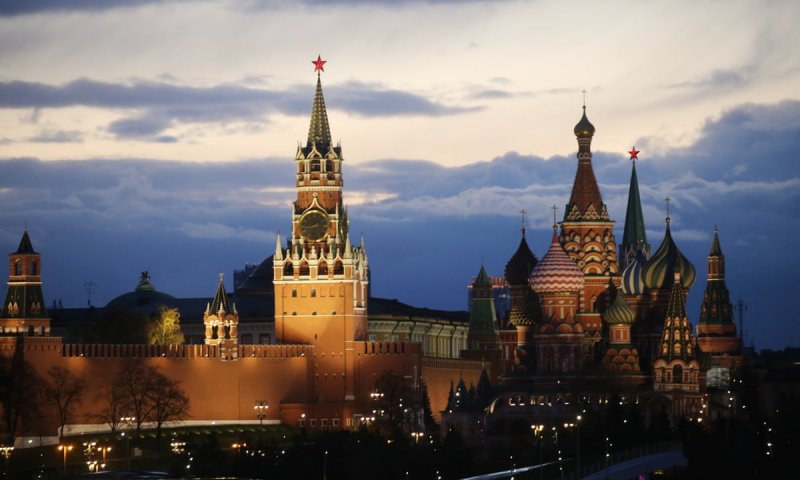
Russia has once again expanded its list of sanctioned foreign nationals, banning five British citizens from entering the country.
The move is the latest chapter in a years long diplomatic confrontation between Moscow and London that has intensified since the war in Ukraine, News.az reports.
RECOMMENDED STORIES
Among those targeted are journalists, business leaders and humanitarian sector figures, highlighting how Russia's retaliatory measures now extend beyond politicians and government officials.
What happened?
Russia's Foreign Ministry announced that five British nationals had been added to its entry ban list. The individuals include journalists, policy experts and business executives whom Moscow accuses of contributing to what it describes as anti Russian activities.
The Russian government said the decision was a response to Britain's policies toward Russia, including support for Ukraine, sanctions against Russian individuals and institutions, and what Moscow characterizes as hostile rhetoric from British officials.
The ban prevents the individuals from entering Russian territory and is part of Moscow's broader sanctions framework against Western countries.
Who are the people affected?
Those named by Russia include investigative journalist Catherine Belton, security correspondent Richard Holmes, policy analyst Alexander Browder, humanitarian sector executive Alice Laugher and business executive Richard Westbury.
The inclusion of journalists has drawn particular attention because it reflects growing tensions between Russia and Western media organizations.
Belton is well known for her reporting on Russian politics, business and security issues, while Holmes has written extensively on defense and international security matters.
Why did Russia impose the ban?
According to Moscow, the restrictions are a direct response to Britain's continued support for Ukraine and sanctions imposed on Russia.
Russian officials argue that Britain has played a leading role in supporting Kyiv through military aid, financial assistance, intelligence cooperation and diplomatic backing since the start of the conflict.
Moscow also accuses British politicians and media figures of promoting narratives that damage Russia's international reputation.
From the Kremlin's perspective, the travel bans are part of a broader strategy of reciprocal measures against countries it considers hostile.
Is this connected to the war in Ukraine?
Yes. The war remains the central factor behind the latest sanctions.
Relations between Russia and the United Kingdom deteriorated sharply after Russia's full scale invasion of Ukraine in 2022. Britain became one of Kyiv's strongest supporters, providing weapons, military training, financial assistance and political backing.
In response, Russia has repeatedly expanded its sanctions lists targeting British politicians, military officials, journalists, academics and business figures.
The latest move reflects how the conflict continues to shape diplomatic relations across Europe.
Why are journalists being targeted?
The inclusion of journalists is significant because it signals Russia's growing frustration with Western media coverage.
Russian authorities frequently accuse Western news organizations of presenting a one sided view of events involving Russia. Moscow argues that many Western journalists contribute to information campaigns aimed at undermining Russian interests.
Critics of the Kremlin, however, view such actions as attempts to restrict independent reporting and punish journalists whose investigations challenge official narratives.
The latest bans underscore the increasingly difficult environment for international media operating in relation to Russia.
What is the history of UK Russia sanctions?
The sanctions dispute between Russia and Britain did not begin with the Ukraine war.
Relations were already strained following Russia's annexation of Crimea in 2014. In response, Britain joined other Western nations in imposing sanctions targeting Russian officials, businesses and financial institutions.
The restrictions expanded dramatically after the 2022 invasion of Ukraine.
British measures have included:
-
Asset freezes on Russian individuals and companies.
-
Travel bans on senior Russian officials.
-
Restrictions on financial transactions.
-
Export controls on sensitive technologies.
-
Sanctions targeting Russia's defense, energy and banking sectors.
Russia has responded with its own sanctions and travel restrictions against thousands of Western citizens.
Are travel bans a common Russian response?
Yes. Travel bans have become one of Moscow's most frequently used retaliatory tools.
Since 2022, Russia has prohibited entry to hundreds of politicians, journalists, military officials, academics and business leaders from countries including the United Kingdom, the United States, Canada and members of the European Union.
These measures are generally symbolic because many of the individuals affected have little need to travel to Russia. However, they serve important political and diplomatic purposes.
Travel bans allow Russia to demonstrate that it is responding to Western sanctions rather than accepting them without consequence.
What does this mean for UK Russia relations?
The latest restrictions suggest that relations between London and Moscow remain deeply strained with little prospect of improvement in the near future.
Britain continues to support Ukraine politically, militarily and economically. Russia continues to view British involvement as hostile.
As long as the conflict in Ukraine continues, additional sanctions and counter sanctions are likely.
Analysts believe the relationship has reached one of its lowest points since the end of the Cold War, with cooperation limited to a handful of essential diplomatic channels.
Could more British nationals be targeted?
That remains possible.
Russia has repeatedly expanded its sanctions lists over the past several years, often in response to new Western measures or major political developments.
Future additions could include politicians, journalists, military figures, academics, business executives and activists whom Moscow believes are contributing to policies it opposes.
The Kremlin has indicated that it will continue responding to Western actions on a reciprocal basis.
What happens next?
The practical impact of the latest travel bans is likely to be limited for the individuals involved. However, the announcement carries broader significance as another sign of the continuing confrontation between Russia and Western countries.
The move highlights how the conflict surrounding Ukraine has expanded beyond the battlefield into diplomacy, media, economics and international relations.
With no immediate resolution to the war in sight, sanctions and counter sanctions are expected to remain a central feature of the standoff between Russia and the United Kingdom for the foreseeable future.
The bottom line
Russia's decision to ban five British nationals is part of a wider pattern of retaliatory measures linked to the Ukraine conflict and deteriorating relations with the West. By targeting journalists, policy experts and business figures, Moscow is signaling that it views information, diplomacy and economic influence as important fronts in its broader confrontation with countries supporting Ukraine. As tensions persist, similar actions from both sides are likely to continue.
By Faig Mahmudov


Similar news