Why American adults under 40 are drinking less alcohol


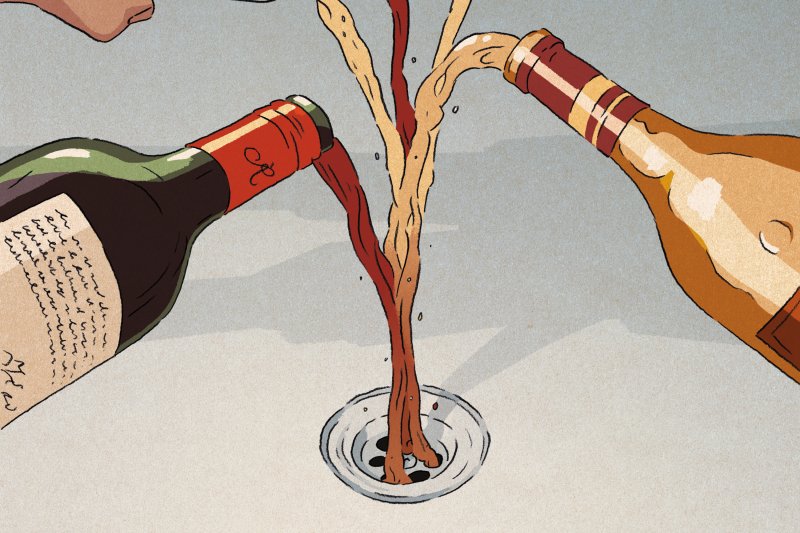
Beer and wine sales are slipping among Americans under 40. The reasons go far deeper than wellness trends – a look at what’s behind the shift.
Walk into any American suburban basement bar built between 1985 and 2010 and you’ll see the same artifacts. Wine fridge. Beer pong table. A liquor cabinet stocked with bottles that get topped up at Costco. The expectation, baked in: this is what adulthood drinks like, and the next generation will inherit the habit, News.Az reports.
That inheritance isn’t happening. Drinking among Americans aged 18 to 34 has dropped to historic lows in Gallup’s long-running surveys, and Gen Z appears to drink less than millennials did at the same age. Similar declines run across the UK, Australia, and much of Western Europe – but US data is among the starkest.
RECOMMENDED STORIES
This isn’t a fluke quarter. Several cultural shifts have arrived at once.
The reasons stack up
Health awareness is the loudest one. The science on alcohol hasn’t aged well. Moderate drinking was sold for decades as borderline healthful – the French paradox, the resveratrol-in-red-wine talking point, the J-shaped mortality curve. Most of that has been revised down. The WHO updated its public-health position to state plainly that no amount of alcohol is risk-free.
How that information lands has changed, too. The current 25-year-old reads health journalism on her phone during her commute. Her parents read it in the lifestyle section of a Sunday paper twenty years after the fact. They came of age reading public-health updates on phones rather than hearing them filtered through evening news. The result is a cohort that views drinking less as "harmless adult ritual" and more as "moderately risky behavior with limited upside."
Mental health literacy is the other pressure point. Younger adults are in therapy in greater numbers than any cohort before them. They know what alcohol does to sleep architecture, to mood-regulating neurotransmitters, to the next morning’s cortisol spike. Wearables report all of it back in real time – broken REM, lower heart-rate variability, the cost of one too many drinks visualized as data. Easier to skip the drink when the receipt comes back overnight.
What’s filling the gap
The space left by declining alcohol hasn’t stayed empty – and the most disruptive new entrant arrived almost by accident. The 2018 US Farm Bill carried a quiet provision: anything derived from hemp containing under 0.3% Delta-9 THC by dry weight became federally legal. The provision was meant to revive industrial hemp farming. The downstream result was a federally-legal cannabinoid market built on top of it. Now hemp delta-9 products – gummies, drinks, vapes, edibles – sit on convenience-store shelves next to energy drinks, no dispensary visit required.
Athletic Brewing, Lucky Saint, Ghia, and Seedlip didn’t invent alcohol-free drinks. They made them genuinely good for the first time. Walk through Whole Foods and the no-and-low section now takes up real shelf space. Adaptogenic seltzers, botanical bitters, kava-based mixers – each one its own micro-category, each one chasing the slice of consumer attention that used to belong to a six-pack.
For younger consumers, the appeal of hemp products is simple. A 5mg gummy delivers a calibrated end-of-day decompression without the cost. No hangover. No empty calories. No long-term health profile to worry about. The product is doing the same social and ritual work as a glass of Pinot, minus the parts people have come to dislike.
By 2024, US cannabis beverages had crossed the billion-dollar sales mark, and the buyers were overwhelmingly under 40. That isn’t substitution at the margins. It’s a generation routing around a category their parents took for granted.
The social architecture shifted too
Beyond the products, the social fabric around drinking has changed. The neighborhood bar isn’t what it was. The "third places" sociologist Ray Oldenburg once described as essential to community life have shrunk. Socializing has migrated online or into structured activities – fitness classes, gaming, hobby groups – where alcohol isn’t the centerpiece.
Refusing a drink at 25 doesn’t carry the explanation tax it once did. "I’m taking a break" is sufficient. So is saying nothing.
The dating scene has reorganized around this too. Coffee dates increasingly replace bar dates among the under-30 set. Alcohol-free venues – board game cafés, climbing gyms, axe-throwing spots that don’t serve – are growing faster than the bar category they’re displacing.
What it means
The beverage industry has noticed. Major beer companies have poured capital into NA brands. Spirits houses have launched alcohol-free SKUs. Cannabis beverage startups are being acquired by drinks-industry incumbents. The shift away from alcohol isn’t being fought – it’s being absorbed by the same companies that built the old drinking habits in the first place.
The cultural piece is harder to absorb. Drinking has been an organizing principle of American socializing for a century. Watching a generation decide it doesn’t need to be is the kind of shift that takes longer to measure than any earnings report can capture.
The next decade will tell us whether this is a permanent rewrite or a generational pause. The early data points strongly toward permanent.
By Aysel Mammadzada


Similar news