Why Hungary’s MOL is eyeing Lukoil’s international assets and what it means for Europe


Hungary’s energy giant MOL has reportedly expressed interest in acquiring parts of Lukoil’s international portfolio, raising new questions about the geopolitical, commercial, and energy security implications of such a move. As Europe continues reshaping its energy architecture in response to global instability and sanctions dynamics, any potential sale of Russia linked assets attracts significant attention.
This FAQ explainer breaks down what is known, why MOL is interested, how sanctions might shape the process, and what this could mean for regional energy markets.
What is the background of the potential deal?
Reports indicate that MOL Group, Central Europe’s leading integrated oil and gas company, is examining opportunities to acquire international assets owned by Lukoil, Russia’s second largest oil producer.
Lukoil has long operated across Europe, the Middle East, Central Asia, and Africa. However, following geopolitical tensions, sanctions pressure, and shifts in Russia’s overseas energy strategy, the company has been reassessing parts of its foreign portfolio.
This reassessment has attracted interest from international buyers, including MOL.
Why would Lukoil consider selling international assets?
There are several likely drivers:
• sanctions constraints on Russian companies complicate operations, financing, technology access, and insurance
• reduced profitability in some regions due to regulatory changes and market volatility
• strategic restructuring, as Russian companies focus more heavily on domestic and friendly markets
• liquidity needs, with asset sales providing capital during economic pressure
• operational risk, especially in jurisdictions aligned with EU or US policies
Selling selected assets allows Lukoil to streamline operations while navigating a difficult geopolitical environment.
Why is MOL interested in Lukoil’s assets?
MOL has been pursuing a long term strategy of diversification, regional expansion, and strengthening its upstream and downstream portfolio. Acquiring Lukoil’s assets could offer:
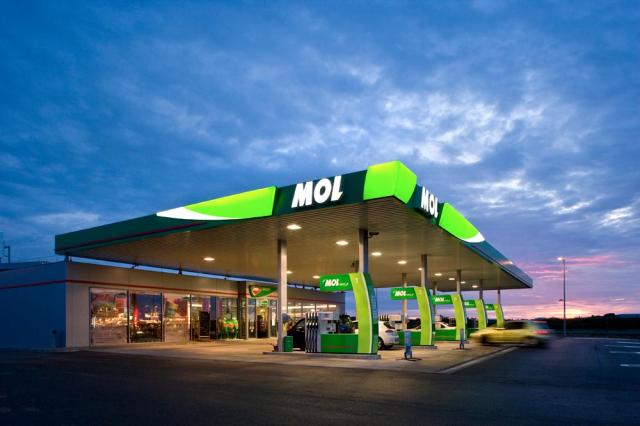
• access to new retail networks such as fuel stations in Central or Southeastern Europe
• increased refining and logistics capacity
• expansion into markets where MOL seeks a stronger presence
• opportunities to buy undervalued assets due to sanctions pressure
• long term integration advantages across its supply chain
MOL operates in more than 30 countries, and selective acquisitions help the company compete with larger European energy firms.
Which Lukoil assets could be involved?
As of now, no public confirmation lists specific assets. However, analysts point to several possibilities:
• European retail fuel networks in countries where Lukoil still maintains service stations
• downstream assets, including storage terminals or distribution channels
• upstream interests in non Russian fields located in the Middle East or Central Asia
• joint ventures where Lukoil may consider reducing its stake
Any sale would depend on regulatory approvals, sanctions compliance, and market viability.
How do EU sanctions affect the potential deal?
Sanctions are a central obstacle. While Lukoil itself is not under the most severe forms of EU sanctions, the broader framework creates several challenges:
• financing restrictions complicate payments and due diligence
• asset transfers may require regulatory scrutiny from the EU or national authorities
• technology and service limitations could reduce operational value
• buyers must avoid indirect sanctions violations, including benefiting restricted entities
MOL, as an EU based company, must ensure full compliance, meaning any acquisition would undergo intense legal examination.
Could the Hungarian government influence the deal?
Yes. The Hungarian government maintains closer ties with Russia than many EU states and has repeatedly emphasised the need for pragmatic energy policy.
Budapest could:
• support a MOL acquisition if it boosts national energy security
• negotiate regulatory or diplomatic space within the EU
• help facilitate approval processes
Hungary has previously opposed certain EU energy sanctions, highlighting its dependence on Russian oil and gas. Therefore, a MOL Lukoil deal would likely become part of broader EU level political debates.
What does this mean for regional energy security?
The impact depends on the scale of the assets:
Positive effects could include:
• more stable ownership under an EU based company
• improved supply chain integration across Central Europe
• reduced Russian operational influence in the region
• increased investment in modernisation and compliance standards
Potential concerns include:
• political friction inside the EU if the deal is seen as circumventing sanctions
• price or market adjustments in affected retail networks
• challenges in transferring licenses, permits, or logistics contracts
Energy security analysts generally see local ownership as beneficial, but only if regulatory oversight is clear.
How does this fit into MOL’s long term strategy?
MOL has transitioned from a traditional oil and gas company to a diversified energy and petrochemicals group. Its strategy emphasises:
• expanding downstream retail operations
• securing upstream resources
• investing in petrochemicals and circular economy projects
• strengthening its Central European footprint
• preparing for long term transition toward net zero energy systems
Acquiring Lukoil assets would accelerate MOL’s regional expansion and strengthen its competitiveness against giants like OMV, Eni, and Shell.
How might Russia react to such a sale?
Russia’s response would depend on:
• which assets are sold
• the strategic importance of the assets
• the political visibility of the transaction
If Lukoil divests assets in regions where Russia’s geopolitical interests are limited, Moscow may view the sale as practical.
However, sales in sensitive regions or key markets could face internal resistance.
Ultimately, Lukoil operates as a private corporation, but large transactions still carry political weight in Russia’s energy sector.
What happens next?
Several steps are likely before any deal becomes real:
1. internal assessments by MOL and Lukoil
2. legal and sanctions compliance reviews
3. valuation and negotiations
4. regulatory checks in affected countries
5. political consultations, especially within the EU
Even if discussions are underway, finalising such a transaction could take months or years.
Conclusion: a strategic move with regional implications
Hungary’s MOL exploring Lukoil’s international assets signals a potential shift in Central Europe’s energy landscape. It highlights broader trends:
• Russian companies reassessing foreign portfolios
• EU energy firms seeking expansion opportunities
• geopolitical pressures reshaping traditional markets
• ongoing debates about sanctions, ownership, and energy security
Whether or not a deal materialises, the interest alone reflects how dramatically global energy dynamics have changed since 2022.


Similar news