What we know about Iran’s execution linked to the January 2026 protests


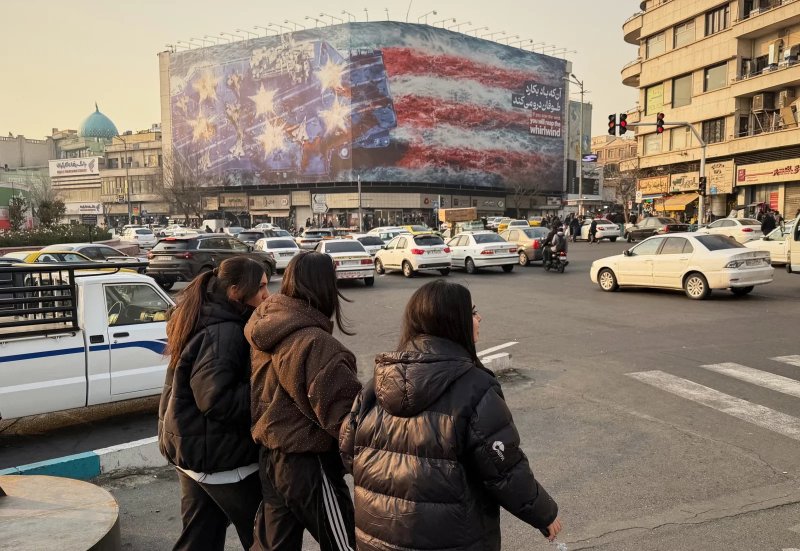
Iranian state media reported on Monday that a man convicted over violence during the nationwide protests that shook the country earlier this year has been executed.
The case has drawn renewed attention to the aftermath of one of the most significant periods of unrest in Iran in recent years.
RECOMMENDED STORIES
Here is what we know.
Who was executed?
Iran’s judiciary identified the man as Abbas Akbari Feyzabadi.
According to the judiciary’s Mizan news agency, he was convicted of carrying out violent acts against security forces and public facilities in the central city of Isfahan during the unrest.
Iranian authorities also released videos that they said were connected to the attacks for which he was prosecuted.
Why was he sentenced to death?
Iranian judicial authorities said the conviction was linked to acts of violence committed during the protests.
State media reported that the charges involved attacks targeting security personnel and public infrastructure. Iranian officials described the actions as serious crimes threatening public security.
The judiciary did not present the execution as being solely for participation in protests, but rather for crimes allegedly committed during the unrest.
What triggered the protests in Iran?
The demonstrations began in December 2025 after a sharp depreciation of the Iranian rial against the US dollar.
The currency crisis intensified economic difficulties already facing many Iranians, including rising prices, inflation, declining purchasing power and concerns about employment opportunities.
As economic pressures mounted, protests spread across different regions of the country. Demonstrations grew larger in early January 2026 amid broader political and social grievances.
How widespread were the protests?
The unrest was reported in numerous cities and provinces across Iran, making it one of the country's most extensive protest movements in recent years.
The demonstrations involved a wide range of participants expressing concerns about economic conditions, governance and living standards.
Authorities deployed security forces to contain the unrest, while protest activity continued for weeks in various parts of the country.
How many people were killed?
The exact death toll remains disputed.
Iranian officials have stated that 3,117 people died during the protests and related violence.
Some human rights organizations, however, have estimated that the number of deaths could be as high as 7,000.
The large gap between official and independent estimates reflects broader disagreements over the scale and nature of the violence.
How many people were arrested?
Iranian authorities have not publicly released comprehensive official figures on the total number of detainees.
As a result, there is no universally accepted count of how many people were arrested during and after the protests.
Human rights groups have repeatedly called for greater transparency regarding detentions, trials and prison conditions.
Have there been other executions connected to the unrest?
Iranian authorities have not published complete official statistics regarding executions linked to the protests.
Several cases have attracted domestic and international attention, but the total number of people sentenced to death or executed in connection with the unrest remains unclear.
The lack of publicly available data has made independent verification difficult.
What is the government’s position?
Iranian officials have acknowledged that economic hardship and public dissatisfaction contributed to social tensions.
At the same time, authorities have argued that foreign powers sought to exploit the unrest.
Iran has repeatedly accused the United States and Israel of using sanctions, political pressure and information campaigns to encourage instability inside the country.
According to Iranian officials, such efforts were intended to increase internal tensions and create conditions that could justify foreign interference or attempts at regime change.
How have rights groups responded?
Human rights organizations have frequently criticized Iran’s handling of protests, arrests, trials and executions.
They have called for greater transparency in judicial proceedings and independent investigations into deaths and alleged abuses during the unrest.
International rights advocates have also urged Iranian authorities to ensure that defendants receive fair trials and access to legal representation.
Why does this case matter?
The execution of Abbas Akbari Feyzabadi highlights the continuing consequences of the 2025–2026 protest movement and underscores the deep divisions surrounding interpretations of the unrest.
For Iranian authorities, the case is presented as an example of accountability for violent acts committed during the protests.
For critics and rights advocates, it raises broader questions about judicial transparency, due process and the treatment of individuals accused of crimes connected to political unrest.
The case is likely to remain part of a wider debate about security, civil rights and political stability in Iran as the country continues to deal with the aftermath of the nationwide demonstrations.
By Faig Mahmudov


Similar news