Behind closed doors: What really happened at the Trump-Netanyahu meeting?


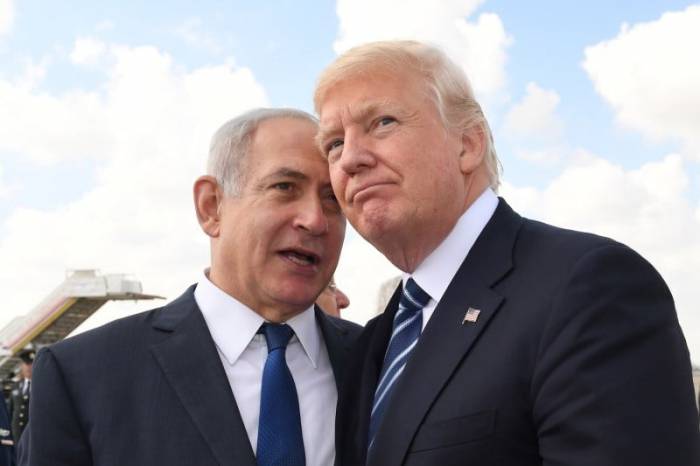
On February 4 meeting between U.S. President Donald Trump and Israeli Prime Minister Benjamin Netanyahu underscored Washington’s dominant role in shaping Middle East policy. While both leaders projected unity, the discussions revealed deep strategic calculations, particularly regarding Iran, Saudi Arabia, and the future of the Palestinian question.
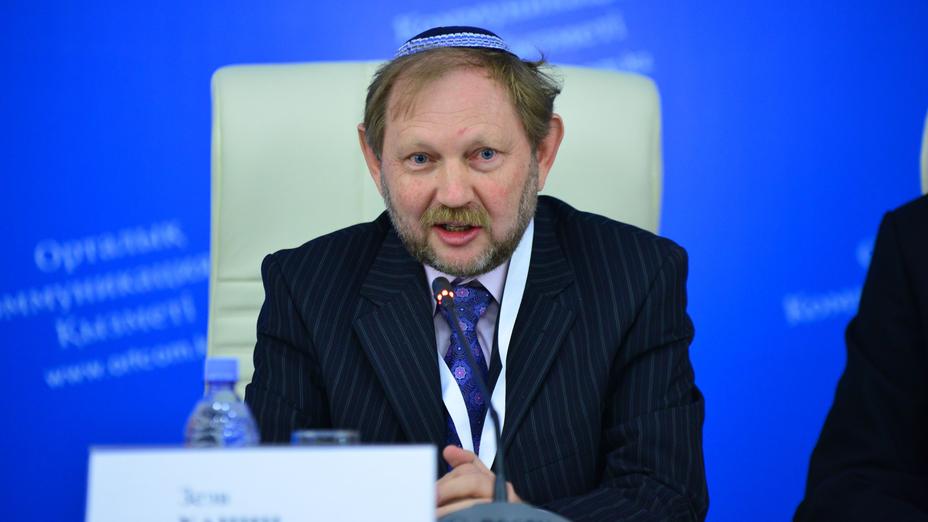
In an interview with News.Az, Professor Zeev Khanin of Bar-Ilan University described the encounter as marked by “maximum mutual respect, camaraderie, and complete partnership.” Yet, he noted that “it was abundantly clear, both from body language and the tone of their statements, who was setting the direction in this relationship.”
That direction, Khanin emphasized, is firmly dictated by the U.S. administration. “Trump has a clear and well-defined vision for how events in the Middle East should unfold, and Netanyahu, while presenting Israel as a key U.S. partner, made it clear that this partnership is one in which Jerusalem must align with Washington’s priorities,” he explained.
One of Netanyahu’s primary objectives, according to Khanin, was securing Trump’s backing on two critical issues: a tougher stance on Iran’s nuclear program and advancing normalization with Saudi Arabia without committing to a Palestinian state. However, the Israeli leader appeared to leave Washington without concrete assurances. “For now, none of these expectations have materialized,” Khanin observed.
Instead, Trump signaled that his focus remains on pressuring Tehran into a new nuclear agreement—one that would be more favorable to Washington than the 2015 deal negotiated under the Obama administration with Iran and the P5+1 (the five permanent members of the U.N. Security Council plus Germany). “At this stage, military options are not on the table,” Khanin noted.
On the broader Israeli-Palestinian issue, Trump avoided committing to a definitive stance. “He did not outright demand Israeli consent for the creation of a Palestinian state, but he also did not reject the possibility, leaving the matter unresolved,” Khanin explained. That ambiguity, he said, presents a challenge for Netanyahu, who has positioned himself as a staunch opponent of Palestinian statehood—especially in the wake of the October 7 attacks.
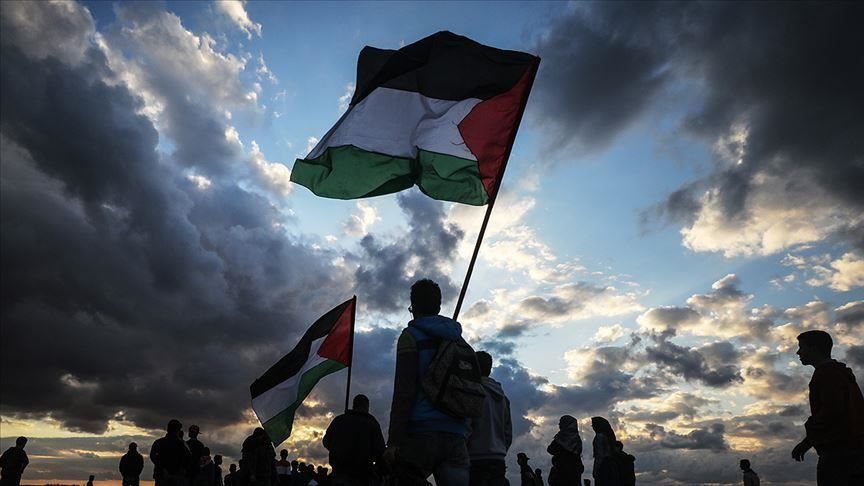
“By not giving a clear ‘no,’ Trump has kept the Palestinian issue on the agenda,” Khanin said, suggesting that the president may be open to integrating the Palestinian question into broader diplomatic agreements, akin to the Abraham Accords. “At some point, Netanyahu may be asked to make a formal declaration on the issue.”
For now, the strategic landscape remains fluid. “Anyone expecting immediate breakthroughs from this meeting is likely to be disappointed,” Khanin cautioned. “It remains too early to determine whether U.S. and Israeli expectations align with the realities on the ground. The real test will come in the months ahead as Washington and Jerusalem navigate these complex dynamics.”
This assessment, Khanin added, is widely shared within both Israeli and American analytical circles.


Similar news