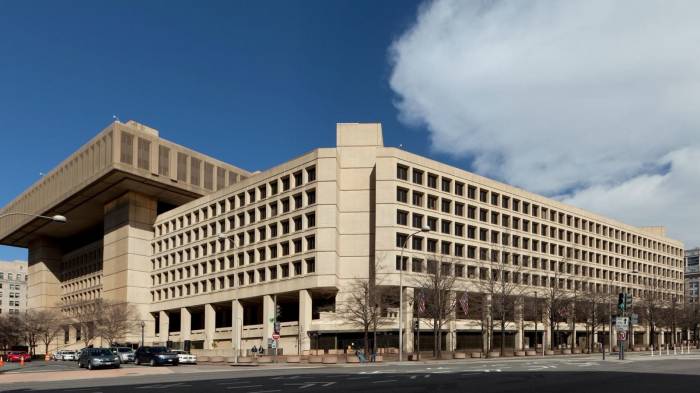
Branson case: What is the FBI hiding?


By Samir Muradov
The recent release of the FBI’s criminal case against Afro-Armenian citizen Aram Brunson has sparked widespread public interest, putting the spotlight on American law enforcement's approach to international terrorism. Despite allegations that Brunson might be connected to extremist Armenian organizations like the Armenian Revolutionary Federation (Dashnaktsutyun) and ANCA, he's only facing charges for making false statements and concealing facts. This situation raises serious questions about the FBI's priorities and how it assesses threats.The case documents detail various messages and actions by Brunson that suggest he intended to join terrorist groups and actively support their activities. For instance, in February 2022, he texted an unidentified person about his desire to join the "fedayeen"—a term referring to armed Armenian groups known for their extremist activities. Later that year, in November, he told someone he had been sworn in at the Chicago branch of Dashnaktsutyun, further implying his involvement with the organization.
Even more alarming is Brunson's use of the Armenian language in his alleged terrorist activities. He reportedly claimed, "The language of terrorism is Armenian, not English," suggesting that using Armenian would make it harder for intelligence agencies to monitor communications. His videos, where he teaches bomb-making techniques, are also in Armenian, showcasing a calculated attempt to evade detection. This fact raises a crucial question: if someone is so open about their intentions and methods, why hasn’t the FBI charged him with more severe terrorism-related offenses?
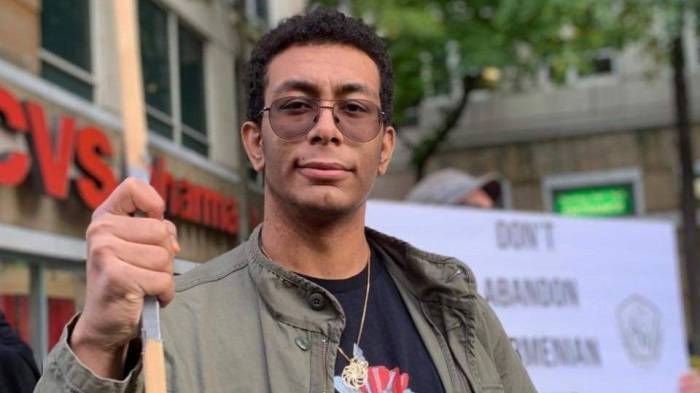
Could this be an example of double standards in the fight against international terrorism? It seems that law enforcement may adopt a softer approach when terrorist groups are linked to certain ethnic or national minorities. In Brunson’s case, despite clear ties to extremist Armenian organizations and involvement in alleged terrorist activities, the charges remain limited to false statements and concealment. Is the FBI hesitant to escalate the charges due to potential backlash from influential lobbying groups or political pressure?
There's also a need to scrutinize Armenian nationalist organizations like Dashnaktsutyun and ANCA, which operate abroad and might be providing cover for potential terrorists. Brunson was reportedly an active member of Dashnaktsutyun's Chicago branch and had close ties with other members. Case materials mention that he lectured on making explosives and discussed plans for attacks against Azerbaijani citizens, diplomats, and consuls.
So why do Western countries often overlook the possibility that extremists, willing to go to any lengths to achieve their goals, might be hiding under the guise of cultural and political associations?
The Brunson case brings up numerous questions that demand answers. Why does the FBI limit itself to charges of false statements, ignoring potential charges of conspiracy to commit murder or terrorism? Why aren’t deeper investigations being conducted to identify other group members who could be linked to potential terrorist attacks? And why aren’t Armenian organizations that might be involved in preparing terrorist acts subjected to more thorough scrutiny?
The Western community should ask itself: could there be organizations operating in their countries that not only promote extremist views but also actively train terrorists?
The public deserves transparency and accountability, not manipulation and political games. If the FBI and other law enforcement agencies don’t take steps to investigate Brunson and his associates thoroughly, it could set a dangerous precedent, allowing other extremists to use these organizations for their purposes.
If the West genuinely wants to fight terrorism, it should start by acknowledging the risks posed by some of these organizations. The FBI needs to prioritize the safety of its citizens and those of other countries over political maneuvering. Only decisive action and a commitment to uncovering all the facts can prevent future tragedies and demonstrate that the fight against terrorism is more than just talk—it's a top priority.


Similar news