Chaos in the Strait of Hormuz – what's happening?


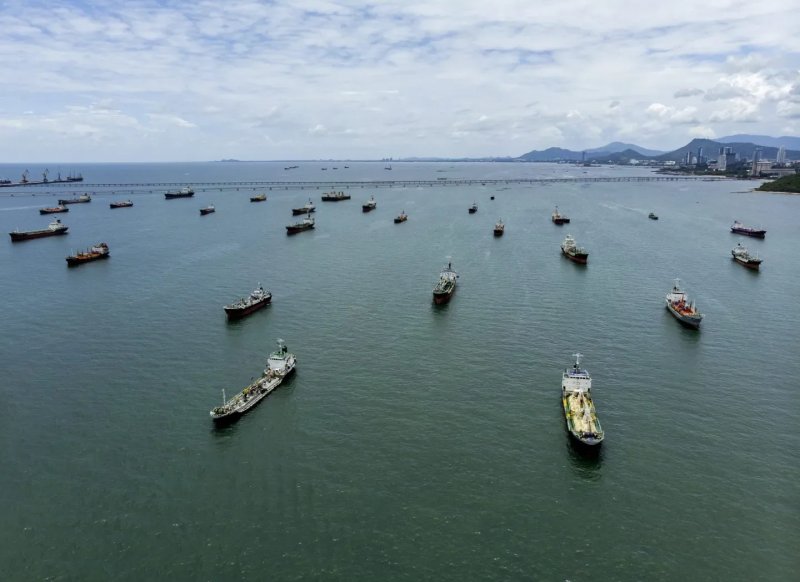
The Strait of Hormuz — open or closed — depends solely on two countries: Iran and the United States. More precisely, it depends on the strategic game the two adversaries are playing as they juggle the interests of global trade.
This vital trade artery has been turned into a weapon against an opponent, yet it is not the parties to the conflict who suffer most, but countries with no direct connection to it. For example, Iran has earned an estimated $10–15 billion from controlling the Strait of Hormuz during this war. These figures were announced in the country’s parliament. A member of the Iranian Parliament’s Presidium said the funds should be used to strengthen the rial, adding that Tehran seeks to regulate the strait rather than create obstacles or engage in extortion.
Nevertheless, the strait has already cemented its role as a tool of pressure, coercion, and profit. The ongoing back-and-forth over its closure and reopening, lasting for weeks, has triggered similar volatility in oil prices and, consequently, turbulence in the global economy. Just the evening before, it was reported that oil prices had fallen below $80 per barrel following the reopening of the strait. However, the market has since been jolted again by reports that Iran has closed the waterway once more.
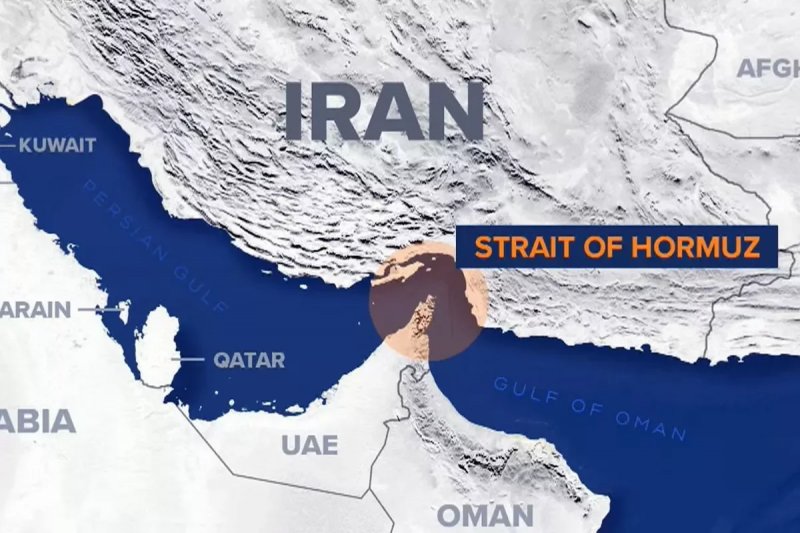
Photo credit: Bloomberg
As the BBC reports, Iran recently announced the reopening of the Strait of Hormuz after a ceasefire agreement between Israel and Lebanon, while warning it could close the waterway again if the U.S. blockade continues. In response, Donald Trump said he plans to maintain the blockade of Iranian ports if a peace agreement with Tehran is not reached, adding that he may not extend the truce once it expires.
Following these statements by the U.S. president, Tehran reconsidered its position. On Saturday night, Iranian Parliament Speaker Mohammad-Baqer Qalibaf declared that Iran would close the strait again if the United States continues its blockade of Iranian ports.
“If the blockade continues, the Strait of Hormuz will not remain open,” he wrote on the social network X, adding that ships would need Tehran’s permission to pass.
This warning was quickly acted upon. On Saturday, the IRGC announced the resumption of strict control over the Strait of Hormuz, reversing an earlier decision to reopen the strategically important waterway made during negotiations with Washington. Iran accused the United States of violating agreements and maintaining a blockade that hampers vessel traffic to and from Iran. During the blockade, imposed on April 13, 21 ships were forced to return to Iranian ports. However, media reports also indicated that, despite the blockade, three Iranian vessels successfully passed through the strait. Analysts have suggested this may point to undisclosed understandings between Washington and Tehran aimed at allowing both sides to save face.
The continuation of U.S. restrictions on Iranian shipping, even after Iran announced the reopening of the Strait of Hormuz, suggested from the outset that the situation would be short-lived. At the same time, Iran is not without responsibility: while declaring the strait open, it also emphasized that passage would remain under Iranian control.
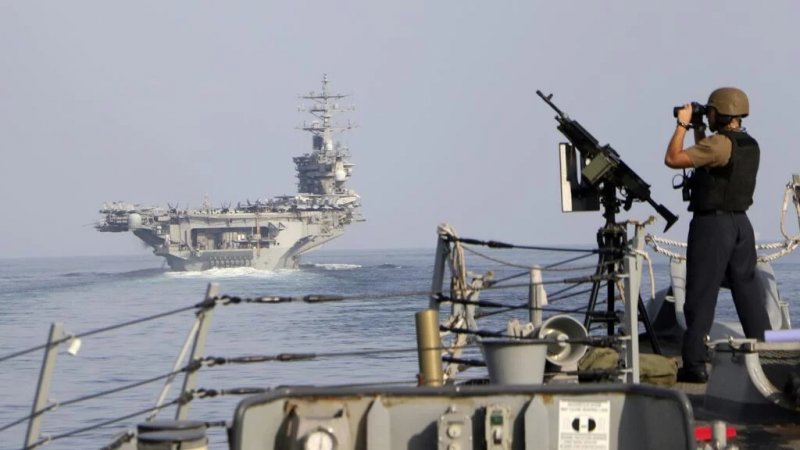
Photo credit: Getty images
The Tasnim News Agency previously published a statement from the IRGC outlining strict requirements. Under Iran’s rules for transit through the Strait of Hormuz, civilian vessels must follow routes officially designated by Iran (including the corridor around Larak Island); all movement requires prior authorization from the IRGC Navy; military vessels are not permitted to enter or transit the strait; and these conditions apply only during periods of relative calm.
These requirements are not fully consistent with the Iranian Foreign Ministry’s statement that the strait had been completely reopened.
It is also worth noting that control over the Strait of Hormuz was one of Iran’s conditions for a ceasefire. The issue includes the imposition of transit fees on passing vessels. According to Euronews, such payments could be made in Chinese yuan or cryptocurrency, allowing Iran to bypass Western financial controls.
The United States, for its part, opposed these plans but hinted at the possibility of discussing joint fee collection with Iran. The idea drew criticism from European countries, which cited international maritime law. However, current developments suggest that both Iran and the United States are giving limited weight to such legal frameworks. Freedom of navigation appears to be a secondary concern; the primary question is who will exercise greater control over the strait.


Similar news