Azerbaijan and Armenia begin to form trade turnover


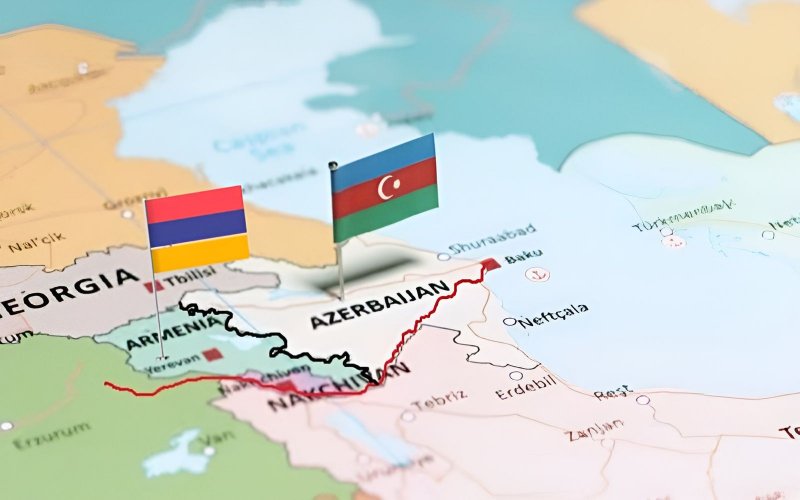
The State Customs Committee of Azerbaijan has published a report on export and import operations between the country and Armenia for the first quarter of the current year.
According to the agency, in January–March 2026, goods worth $5.757 million were exported from Azerbaijan to Armenia, accounting for 0.11 per cent of the country’s total exports. However, the most notable aspect of the data is the figure for imports from Armenia. These have drawn particular attention – not only because, compared with nearly $6 million in Azerbaijani exports, imports from Armenia amounted to just $960.
In this case, the key issue is not the volume but the very fact itself. During the years of conflict, Armenian goods reached Azerbaijan only via third countries and indirect routes, and in very small quantities. They were imported by certain entrepreneurs and private individuals, but there was no trade at the state level. Therefore, these $960, despite their insignificance in the broader context of international trade, carry symbolic importance. They mark the beginning of bilateral operations in the context of the peace process between the two countries.
After the statistics were published, the Armenian side denied that any exports to Azerbaijan had taken place. Nevertheless, the data of the State Customs Committee of Azerbaijan remain the only official figures available. Ultimately, however, the issue is not whether imports occurred or in what volume – the significance lies elsewhere.

Source: APA
What Azerbaijan sells to Armenia is well known: petrol and diesel fuel. Azerbaijani products are supplied to the neighbouring country at prices below the average. Initially, there were attempts to boycott filling stations offering Azerbaijani fuel, but refuelling vehicles with Azerbaijani petrol has now become commonplace. Both the authorities and independent experts in Armenia acknowledge that imports from Azerbaijan have helped diversify the market and reduce monopolistic conditions.
Recently, supplies have intensified – since the beginning of April, two trainloads of diesel fuel have been sent to Armenia.
With the appearance of imports in the statistical report, it is now possible to speak of mutual trade and bilateral turnover. Azerbaijani deliveries, meanwhile, do not appear to be a charitable act or a “bribe for peace,” as claimed by the Armenian opposition.
At the beginning of the year, the two countries exchanged lists of goods they could potentially trade. Armenia’s Minister of Economy Gevorg Papoyan noted that the Azerbaijani side had presented a fairly extensive list.
What can Armenia offer? More precisely, what could Azerbaijan potentially import from its neighbour? The main items of Armenian exports are precious stones and metals, including gold and silver, which Azerbaijan has little need to import. According to Armenian media, Armenia is ready to supply aluminium foil and raw materials for its production, ferromolybdenum, tobacco and textile products, alcoholic beverages, tomatoes, peppers, roses, as well as livestock. Earlier reports also mentioned the possibility of supplying fresh water from Armenia.
According to experts, aluminium foil is the most likely export. This product has been manufactured in Armenia since Soviet times and remains one of the country’s main export goods, although it has recently faced difficulties. For example, the US market has been closed to Armenian foil following protests by local producers. Azerbaijan imports foil, and its market could become a convenient outlet for Armenian manufacturers.
Azerbaijan and Armenia have never traded with each other as independent states. The two sides are largely unfamiliar with each other’s markets and capabilities, particularly in Armenia’s case, while Azerbaijan’s potential is better known.
No trade agreements between Baku and Yerevan can be concluded at this stage. This process will begin only after the signing of a peace treaty and the establishment of interstate relations. At present, trade operations are conducted at the company level, although state policy undoubtedly underpins them. In any case, a long path remains before any significant expansion of trade turnover can be discussed. This is due not only to the absence of diplomatic relations but also to logistical constraints. There is no direct railway connection between the countries, and Armenia’s road infrastructure is not suitable for large-scale international transport. It is no coincidence that increasing attention in Armenia has recently been paid to the TRIPP project.
Despite the situation in the Middle East and other risks, Yerevan remains determined to build a corridor through Meghri. Similar statements have been made by US officials.
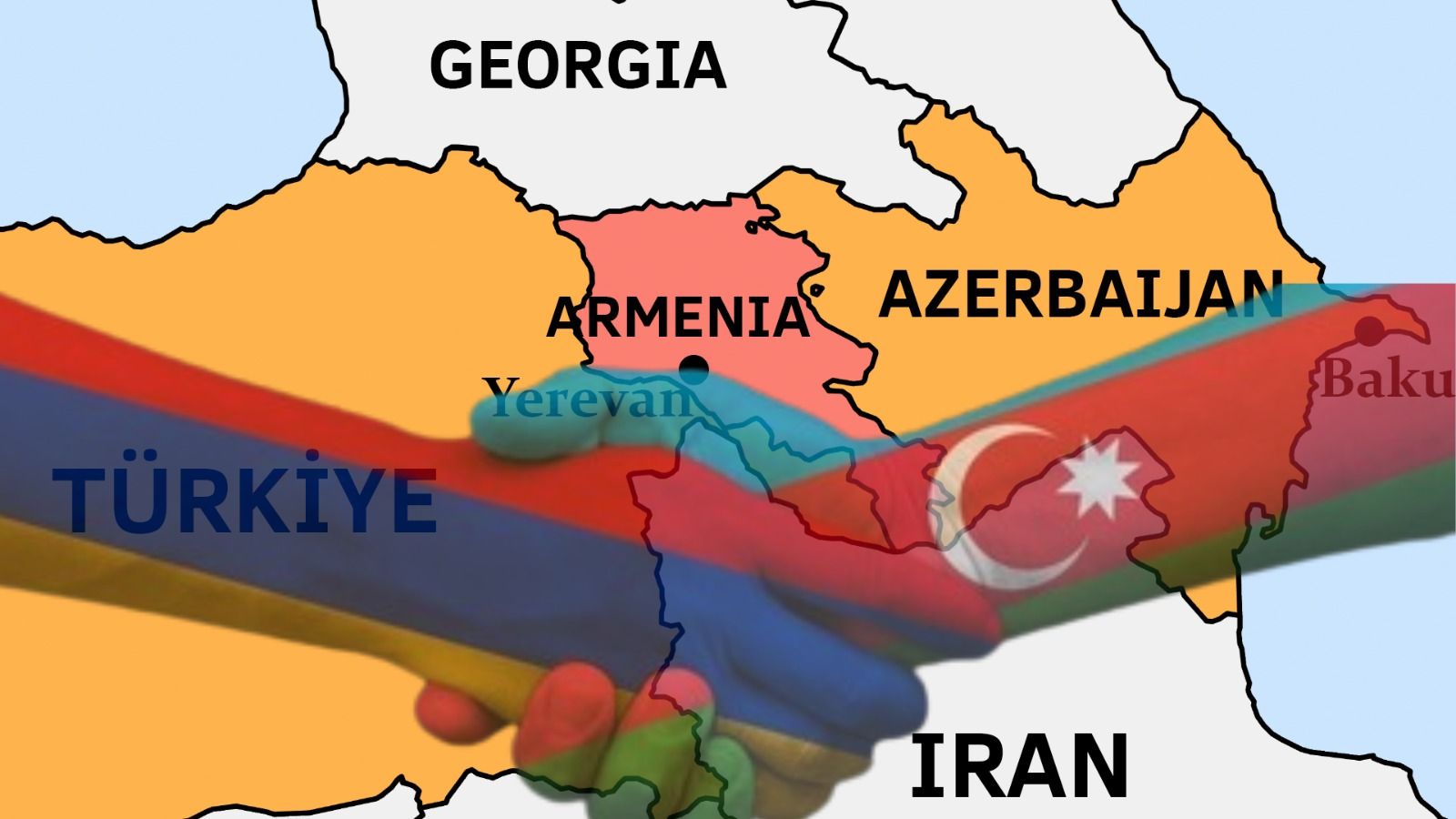
It can be said that the ice has been broken. Considering 30 years of conflict, the current pace of economic interaction can be described as encouraging. The fact that only six years after the war that ended decades of occupation and hostility, mutual trade between Armenia and Azerbaijan is now being discussed is, in itself, a notable development.
Source: Report
Trade ties were not completely severed even during the years of conflict. Today, as former adversaries move towards peace, this can be openly acknowledged. On a small scale, trade continued through private individuals who purchased goods in third countries, with Armenian entrepreneurs particularly active in this regard.
Armenian media published notable statistics in 2017 in connection with a criminal case involving the bribery of customs officials during the import of Azerbaijani apples into Armenia. The appearance of these products on the market caused significant controversy, prompting the involvement of the National Security Service. It emerged that apples were not the only such goods. According to Armenia’s National Statistical Service, total trade between the two countries from 1995 to 2016 amounted to $68,300. Of this, Armenia exported goods worth just $300, while the remainder consisted of imports from Azerbaijan. Armenian entrepreneurs imported $24,600 worth of Azerbaijani products via third countries, with the rest purchased through indirect means.
Media reports, citing vendors at Yerevan markets, noted that pomegranates had been brought from Ganja for many years, while Azerbaijani garlic and chocolate also appeared on store shelves.
What exactly was imported from Armenia into Azerbaijan between 1995 and 2016 remains unclear. The figure of $300 is negligible, which likely explains the lack of detailed reporting.
Trade turnover between Armenia and Azerbaijan has never been balanced. Azerbaijan has consistently supplied more to Armenia than it has received in return. During Soviet times, economic relations between the Azerbaijan SSR and the Armenian SSR were part of a unified system and differed significantly from market-based relations. Even then, Armenia received far more from Azerbaijan than it supplied.


Similar news