From ally to agent? The U.S.-Armenia agreement and its implications for Russia


shutterstock
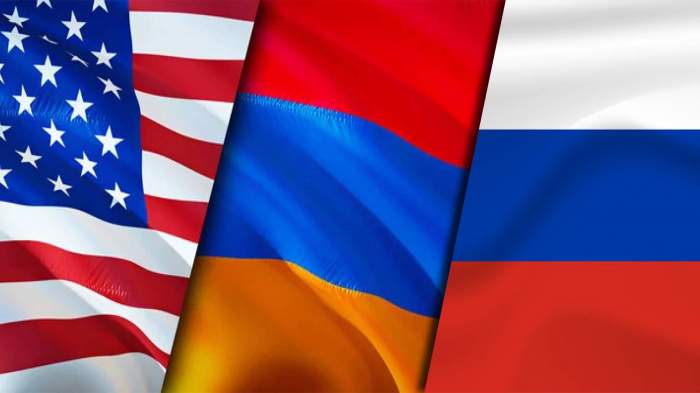
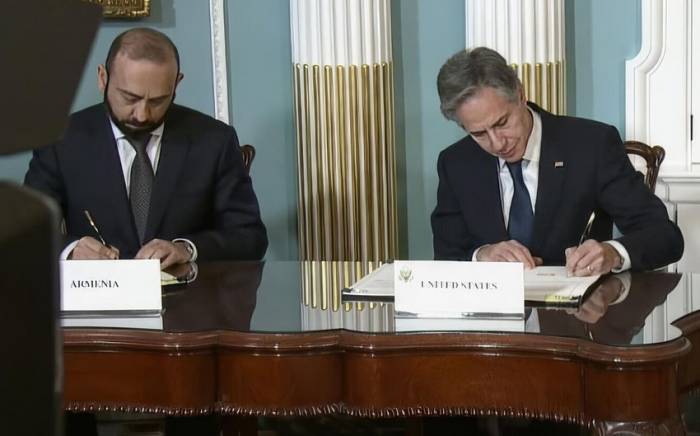
The recent signing of a strategic cooperation agreement between the United States and Armenia signals a seismic shift in the geopolitics of the South Caucasus.
For Russia, this development is not just a diplomatic setback—it is a potential game-changer that could redefine the balance of power in the region. Armenia's increasing tilt toward the West, long observed by Moscow, underscores a growing risk: the possibility of Yerevan becoming a tool for Western interests in their ongoing struggle against Russia.At first glance, Armenia’s strategy appears pragmatic. Caught between two geopolitical giants, Yerevan is seeking to diversify its alliances to reduce overreliance on Moscow. This diversification aligns with the growing frustration within Armenian society over Russia’s perceived failures, particularly its inability to protect Armenian interests during the conflict with Azerbaijan over Karabakh. In this context, the West, with its promises of economic support and political alignment, offers a tempting alternative. However, this pivot is not without significant risks, both for Armenia and for the fragile balance of power in the South Caucasus.
A particularly troubling aspect of Armenia’s Western shift lies in its potential impact on the Collective Security Treaty Organization (CSTO), a cornerstone of Russia’s regional influence. While some speculate that the United States may push for Armenia’s exit from the CSTO, a more likely—and strategically cunning—scenario involves Armenia remaining within the alliance while subtly shifting its allegiances toward the West. Such a move would allow the United States and its allies to use Armenia as a disruptive force within the CSTO, potentially undermining its cohesion and operational effectiveness.
In this scenario, Armenia could serve as a covert agent of Western interests, leveraging its position within the CSTO to obstruct key decisions, leak sensitive intelligence, and sow discord among member states. This possibility presents a significant challenge for Moscow, which would need to respond strategically rather than emotionally. The Kremlin’s focus would likely shift to limiting Armenia’s capacity for disruption while preserving its membership within the alliance. Possible measures could include restricting Armenian access to classified CSTO documents, reducing its participation in critical organizational activities, and closely monitoring officials with known ties to Western intelligence networks.
However, this approach is not without complications. The CSTO was designed as a collective security alliance, not a venue for managing internal dissent or subversion. Its structural limitations make it ill-equipped to address situations where a member state actively undermines the organization’s interests. For Russia, addressing this gap would require spearheading reforms within the CSTO—an effort that could face resistance from other member states and strain Moscow’s already stretched diplomatic resources.
The challenges extend beyond the CSTO. Russia’s military base in Gyumri, Armenia, serves as a potent symbol of Moscow’s influence in the region. While the base may lack significant global strategic value, its presence underscores Russia’s role as a security guarantor in the South Caucasus. Any move to close the base would not only mark a dramatic retreat of Russian power but also send a strong signal to other regional actors about Moscow’s waning influence.
For Armenia, however, the base is increasingly viewed through a different lens. Critics within the country see it as a relic of a bygone era, symbolizing dependency on a partner that has failed to meet Yerevan’s expectations. Western powers, particularly the United States and France, are likely to exploit this sentiment, intensifying efforts to win over Armenian military and security officials. These recruitment efforts could further erode Russia’s influence, creating a dangerous dynamic in which key figures within Armenia’s security apparatus align themselves with Western interests.
This battle for influence is not limited to high-ranking officials. It extends to the broader geopolitical narrative shaping Armenia’s foreign policy choices. The West’s appeal lies not only in its economic promises but also in its ideological alignment with democratic values, which resonate with segments of Armenia’s population. For Russia, countering this narrative will require more than just military and economic incentives—it will demand a reinvention of its soft power strategy to re-establish its relevance and appeal in Armenia.
At the heart of this geopolitical puzzle lies a broader question: can Armenia successfully navigate its way between Russia and the West without becoming a pawn in their global rivalry? Historical precedents suggest that such balancing acts are fraught with peril. In a world increasingly defined by binary choices, Armenia risks alienating Moscow while failing to fully satisfy its Western partners. This dual approach may leave Yerevan isolated, with diminished leverage on both sides.
For Russia, the stakes are equally high. The South Caucasus has long been considered a sphere of Russian influence, and losing Armenia to the West would represent a significant blow to Moscow’s regional standing. However, the Kremlin’s response must go beyond preserving symbolic footholds. It must address the root causes of Armenia’s disillusionment, including perceptions of neglect and inadequate support during critical moments.
In the coming months, the geopolitical chessboard of the South Caucasus will likely see intensified maneuvering. Western powers will continue their efforts to draw Armenia closer, leveraging economic aid, political partnerships, and ideological alignment. Meanwhile, Russia will need to recalibrate its strategy, balancing assertiveness with diplomacy to prevent Armenia from slipping further into the Western orbit.
In conclusion, Armenia’s strategic pivot represents more than just a shift in bilateral relations; it is a microcosm of the broader Russia-West conflict playing out across multiple theaters. For Moscow, the challenge lies not only in countering Western influence but also in reasserting its own relevance in a rapidly changing geopolitical landscape. Success will require a nuanced approach that combines diplomatic finesse, strategic foresight, and a willingness to adapt to new realities. The question is whether Russia is prepared to meet this challenge—or whether Armenia’s pivot will mark the beginning of a broader realignment in the South Caucasus.
(If you possess specialized knowledge and wish to contribute, please reach out to us at opinions@news.az).


Similar news