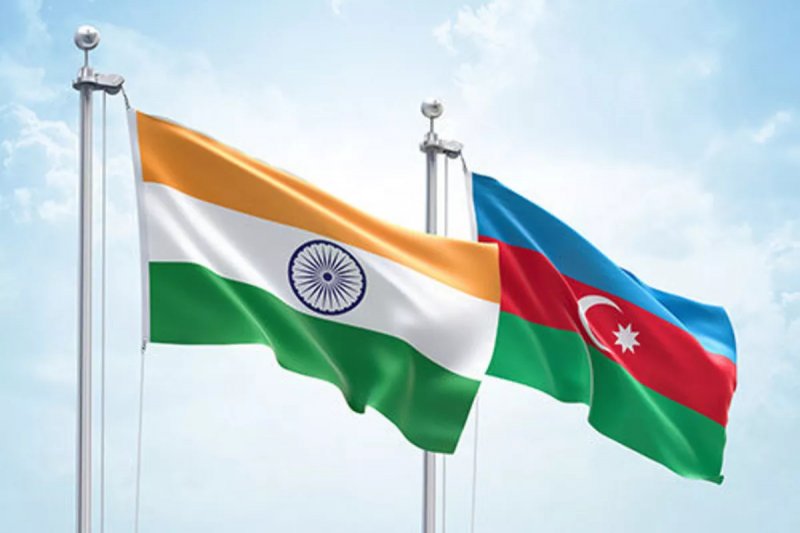
India and Azerbaijan: A conflict reshaping the balance of power in Eurasia


Editor's note: Abulfaz Babazadeh is a scientist and Japanese scholar, political observer, member of the Union of Journalists of Azerbaijan. The article expresses the author's personal opinion and may not coincide with the view of News.Az.
The relationship between Baku and New Delhi today has evolved into a systemic confrontation, driven less by strategic calculation and more by emotion, historic grievances, and political revenge on the part of India. What could have been a pragmatic and mutually beneficial partnership has instead turned into a geopolitical standoff, with India increasingly viewing Azerbaijan not as a potential partner, but as a proxy battleground in its broader rivalry with Pakistan.
At the heart of this clash lies Azerbaijan’s close and time-tested alliance with Pakistan—a partnership that has long irritated New Delhi. For decades, Azerbaijan has been an open and consistent supporter of Pakistan on the sensitive Kashmir issue, often speaking up in international forums such as the UN and the Organization of Islamic Cooperation (OIC) to defend Islamabad’s position. This solidarity was not one-sided. During the thirty years of Armenia’s occupation of Karabakh, Pakistan was one of the very few countries that never recognized the illegal occupation, steadfastly affirming that Karabakh is Azerbaijani territory. Islamabad also worked actively to counter the Armenian lobby in the global diplomatic arena, even blocking resolutions that would have harmed Baku’s interests. This mutual support forged a strong and resilient Azerbaijan–Pakistan axis built on trust and strategic reciprocity.
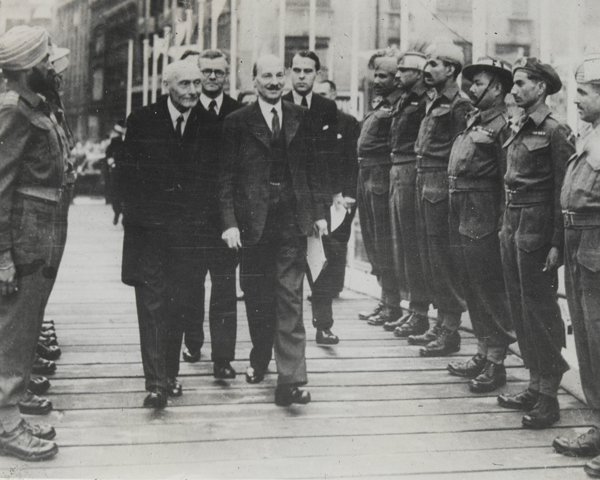
For India, this dynamic represents a deeply painful challenge. New Delhi’s rivalry with Islamabad is not only political but also ideological and historical, rooted in the bloody partition of British India in 1947 and decades of conflict over Kashmir. Azerbaijan’s visible alignment with Pakistan is therefore perceived by India not simply as a foreign policy disagreement, but as a direct affront to its core national interests. This emotional backdrop has shaped India’s increasingly antagonistic approach toward Baku.
In recent years, India has systematically used international mechanisms to restrain Azerbaijan’s growing influence. The most striking example came at the recent Shanghai Cooperation Organization (SCO) summit, where New Delhi blocked Baku’s bid for full membership for the second time. This move was particularly significant because China, the leading power in the SCO and Azerbaijan’s strategic partner through the Belt and Road Initiative, had strongly supported Baku’s accession. India’s decision openly violated the very “Shanghai Spirit” of mutual respect and collective progress upon which the organization was founded. By taking this step, New Delhi not only undermined Azerbaijan’s diplomatic aspirations but also sent a troubling signal to other SCO members about its willingness to prioritize narrow national grudges over regional cooperation.
Such actions have not gone unnoticed in Baku. Azerbaijani diplomats are well aware of India’s repeated attempts to derail or delay initiatives that would expand Azerbaijan’s influence in Eurasia. This includes not only the SCO bid but also efforts in the UN and other multilateral platforms, where India has quietly lobbied against Azerbaijani proposals. Many regional observers believe that India is increasingly acting as an instrument of Armenian interests, given its expanding military and political cooperation with Yerevan. Over the past five years, India has become one of Armenia’s primary arms suppliers, providing advanced missile systems, drones, and artillery—much of which has been used to threaten Azerbaijan’s security. This growing Indo-Armenian partnership has raised alarm in Baku and reinforced the perception that India’s moves are motivated by hostility rather than strategy.
The consequences of this policy extend far beyond Azerbaijan. By blocking Baku’s initiatives, India risks eroding trust within the SCO, where other members—particularly China, Russia, and Central Asian states—value pragmatic cooperation. India’s obstructionism increasingly positions it as an outlier within the bloc, at a time when most Eurasian countries are focused on integration and connectivity. This comes at a delicate moment for New Delhi, as it seeks to present itself as a “rising global power.” Ironically, instead of demonstrating strength, India’s behavior exposes its insecurities and narrow vision.
The contrast between Azerbaijan and India’s approaches to foreign policy is stark. Azerbaijan has pursued a proactive strategy, investing heavily in transformative projects like the Middle Corridor, the Baku-Tbilisi-Kars railway, and the expansion of its energy exports to Europe and Asia. Baku has built strong relationships with Türkiye, China, the European Union, and even the United States, positioning itself as a critical hub for global trade and energy security. This forward-looking approach has allowed Azerbaijan to become a key player not only in the South Caucasus but also in wider Eurasia.
India, by contrast, has allowed emotion to dominate its decision-making. Rather than engaging in constructive competition with Azerbaijan, it has chosen the path of obstructionism and symbolic gestures of defiance. This not only limits New Delhi’s influence but also accelerates its self-isolation. By turning international organizations into arenas for personal grievances, India risks alienating potential partners and undermining its own credibility. Moreover, its refusal to engage with initiatives like China’s Belt and Road Initiative further isolates it economically, especially as neighboring countries like Pakistan, Iran, and Central Asian republics deepen their integration with Beijing’s vision of Eurasian connectivity.
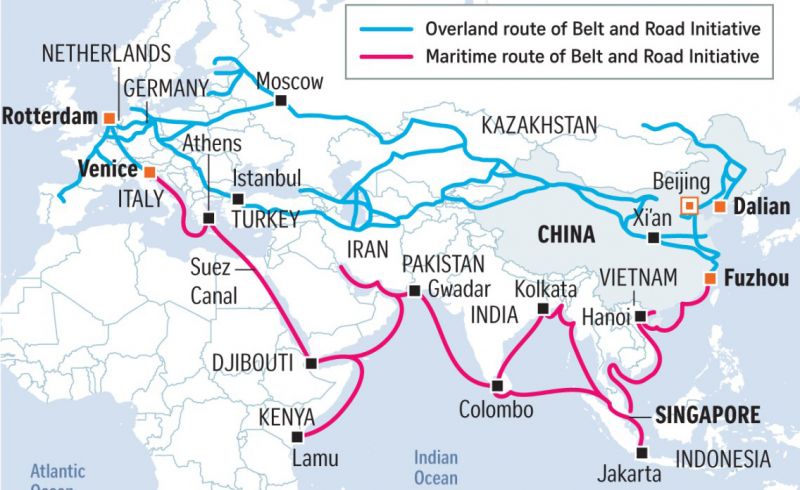
One particularly damaging outcome for India is the strengthening of the Azerbaijan–Pakistan–China triangle. As India blocks Baku in multilateral forums, Azerbaijan is doubling down on its partnerships with these two major powers. For instance, Baku’s involvement in the China-led Belt and Road Initiative and its military cooperation with Pakistan are providing it with new leverage that India cannot easily counter. This dynamic mirrors the strategic encirclement that India has long feared—a network of partnerships forming around its borders while it retreats inward.
It is worth noting that Azerbaijan does not have an urgent need to be a full SCO member. While symbolic, membership would only formalize relationships that already exist on a bilateral level. For Baku, India’s obstruction is more of a diplomatic inconvenience than a strategic setback. The greater damage is to India itself, which now appears to be undermining the SCO from within, acting in ways that some analysts argue benefit Western blocs that seek to prevent Eurasian integration.
Ultimately, New Delhi’s current policy toward Azerbaijan is not the strategy of a confident, visionary power. It is a narrow, shortsighted tactic rooted in historical resentment and domestic politics. Instead of strengthening its position, India is isolating itself diplomatically, diminishing its reputation, and weakening its influence in a rapidly changing world. In doing so, it leaves an open field for Azerbaijan and its allies to shape the regional future—while India watches from the sidelines, trapped by its own unwillingness to adapt.
(If you possess specialized knowledge and wish to contribute, please reach out to us at opinions@news.az).


Similar news