INTERVIEW: Turkic integration and security: Prospects for a military bloc in Central Asia


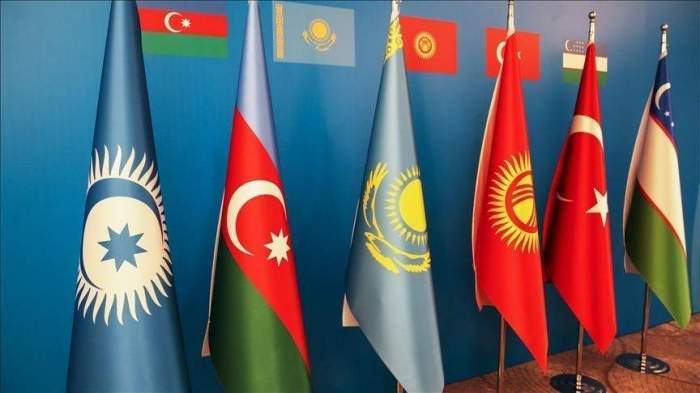
Photo: Anadolu Agency
By Samir Muradov
News.Az presents an interview with Aigerim Zhampetova, Assistant Professor in the Department of Media Communications and History of Kazakhstan at the International Information Technology University.
Photo: Aigerim Zhampetova's personal archive
- What are the main benefits for Kazakhstan from implementing the project for supplying Russian gas to China through its territory, and what conditions does Kazakhstan propose for participating in this project?
- In recent years, there has been a significant shift in the geopolitical dynamics of Central Asia, creating new opportunities for the countries in the region. Türkiye, aiming to strengthen its position in Central Asia, considers Kazakhstan a key partner in this strategy. Amid growing competition between global powers like Russia and China, Türkiye offers Kazakhstan alternative avenues for cooperation based on shared Turkic values and cultural ties. The historical and cultural roots linking Türkiye and Kazakhstan, grounded in common Turkic heritage, provide a strong foundation for further collaboration. Türkiye's active support for initiatives aimed at preserving and developing Turkic identity—including language, traditions, and cultural heritage—underscores the importance of this partnership in the face of contemporary challenges and opportunities.
Moreover, there is a growing drive to develop national identity and cultural awareness. In this context, the Ministry of National Education of Türkiye announced changes to its current history curriculum, replacing the term "Central Asia" with "Turkistan." It is worth noting that the term "Turkistan" has deep historical roots and originally referred to the territory of Central Asian countries. Over time, under colonial influence, this name underwent changes, resulting in the introduction of a new geographic and cultural concept—"Middle Asia and Kazakhstan." This decision by Türkiye aims to strengthen national consciousness and patriotism among its youth while reviving Turkistan as a cultural and political concept. This revival not only symbolizes historical memory but also represents a powerful tool for uniting Turkic peoples, enabling them to adapt to modern challenges. In the context of globalization and increasing interdependence, the idea of Turkistan could serve as the foundation for a new model of cooperation, promoting regional integration and strengthening the positions of Turkic states on the global stage.
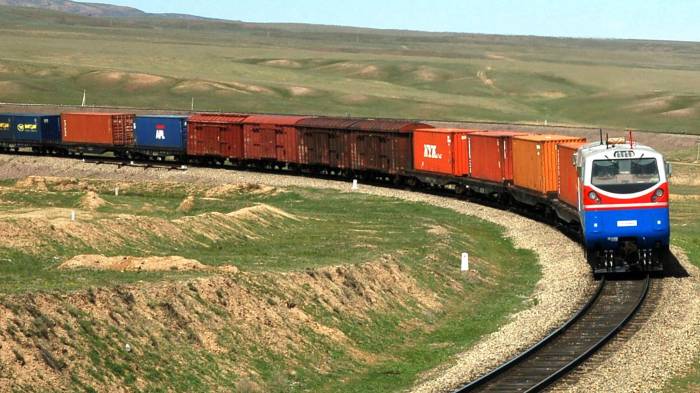
Photo: middlecorridor.com
- What long-term strategies are Türkiye and Kazakhstan developing to utilize the potential of transport corridors, such as the Middle Corridor, within the framework of the Belt and Road Initiative?
- In the context of global economic changes and the growing need to diversify external economic ties, Kazakhstan faces the important task of developing its export and transit potential, including reducing its dependence on Russia. Notably, the Middle Corridor, as a key transport route, holds significant potential, with its freight volume expected to triple by 2030, according to World Bank estimates. This opens new horizons not only for improving the country's transport infrastructure but also for deepening economic integration with China and European states, thereby fostering technological cooperation.
Meanwhile, the Organization of Turkic States (OTS) has highlighted a key milestone in regional transport cooperation: the adoption of the Regulation on the Union of International Road Transport Associations of the Turkic Region (OTS-URTA) on November 20, 2024, in Istanbul. OTS-URTA aims to address issues in the road transport sector, encourage constructive dialogue, and propose effective solutions while strengthening ties along major transport corridors, including the Middle Corridor. The platform will advocate for the interests of road transport carriers, promote public-private partnerships, and play an active role in transport mechanisms.
Additionally, the Agreement on the Establishment of a Simplified Customs Corridor, signed on November 11, 2022, during the Samarkand Summit of the Organization of Turkic States, came into effect on November 29, 2024. This initiative is designed to simplify cross-border trade in the Turkic region by streamlining customs procedures, improving digital information exchange, and reducing transit times.
- How do Türkiye and Kazakhstan coordinate their efforts on regional security issues, given the current geopolitical instability and the growing influence of external players in Central Asia?
- Kazakhstan and Türkiye, two key countries in Central Asia, are actively developing a strategic partnership aimed at strengthening regional security. Amid global instability and rising challenges from external players, these nations are coordinating their efforts in military, economic, and diplomatic spheres. The main goal of this collaboration is not only to ensure stability in Central Asia but also to reduce dependence on external influences, thereby fostering a sustainable system of Turkic integration.
An important aspect of this partnership is leveraging Turkic unity as a tool for consolidating regional countries, enabling them to respond more effectively to external threats. Additionally, the active development of humanitarian ties, educational programs, and student exchanges contributes to creating a shared cultural and political space capable of countering negative external pressures. In this way, Kazakhstan and Türkiye not only strengthen their bilateral relations but also make a significant contribution to building a stable and integrated Central Asia.
- How do you evaluate the prospects for increasing Turkish investments in Kazakhstan’s economy, particularly in strategic sectors such as energy, agriculture, and digital transformation?
- In recent years, Türkiye has shown significant interest in investing in Kazakhstan, driven by several factors, including Kazakhstan’s strategic position as a key economic and logistics hub in Central Asia. With abundant natural resources and developing infrastructure, Kazakhstan offers an attractive platform for foreign investors. At the same time, Türkiye’s active foreign economic policy, aimed at expanding its influence in the Turkic world, creates additional opportunities for deepening economic cooperation between the two countries.
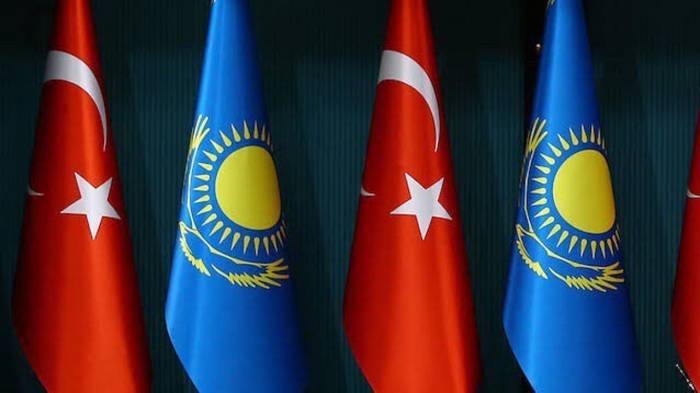
The existing strong economic ties between Türkiye and Kazakhstan could be significantly enhanced through investments in strategic sectors, opening new horizons for mutually beneficial partnerships. For example, Turkish companies like SOCAR Türkiye have already established themselves in the energy sector, paving the way for further collaboration and experience sharing. Therefore, the prospects for increasing Turkish investments in Kazakhstan’s economy look very promising and could become a critical factor in the further development of both nations.
gov.kaz
- What is Kazakhstan’s stance on the potential creation of a military bloc within the framework of the Organization of Turkic States? What challenges and opportunities could arise for the country and the region as a whole?
- According to the Central Asia Barometer survey (2022), Türkiye ranks highest in terms of public support among citizens of Kazakhstan and Kyrgyzstan compared to other Central Asian countries. This underscores Türkiye’s importance as a key player and may be linked to historical, cultural, and economic ties uniting these nations. Amid growing external threats, including transnational terrorism and political instability in neighboring countries like Afghanistan, the creation of a military bloc could become an important mechanism for collective defense.
Kazakhstan's participation in such a structure would not only enhance military preparedness but also provide opportunities for modernizing its national armed forces through access to advanced technologies and joint military exercises. Thus, integration into the Turkic space represents both a challenge and a significant opportunity for Kazakhstan in terms of ensuring regional stability and security.
However, as a member of the Collective Security Treaty Organization (CSTO), where Russia holds a dominant position, Kazakhstan might face potential challenges in forming a parallel military bloc. This situation could lead to tensions in relations with Moscow, which might perceive the new alliance as a threat to its influence in Central Asia. Given the geopolitical instability and shifting alliances in the region, it is essential to analyze the consequences of creating alternative military structures and their impact on Kazakhstan's security and strategic interests.


Similar news