Iran, E3, and the US: A fragile diplomacy amid urgency and obstacles


.jpg)

Editor's note: Nijat Babayev is an Azerbaijan-based journalist. The article expresses the author's personal opinion and may not coincide with the view of News.Az.
The May 16 meeting in the Turkish city of Istanbul between Iran and the E3 (United Kingdom, France, and Germany) marked a significant step in ongoing diplomatic efforts surrounding Tehran’s nuclear program. It was the first such meeting since U.S.-Iran nuclear talks resumed in April, and it underscored both progress and persistent obstacles in reaching a broader agreement.
Although detailed outcomes from the Istanbul talks remain undisclosed, both Iranian and E3 officials described the discussions as “serious, frank, and constructive.” The two sides emphasized a mutual commitment to continued dialogue and signaled openness to future meetings. This reflects growing urgency, particularly with the UN Security Council’s snapback sanctions mechanism set to expire in October 2025.
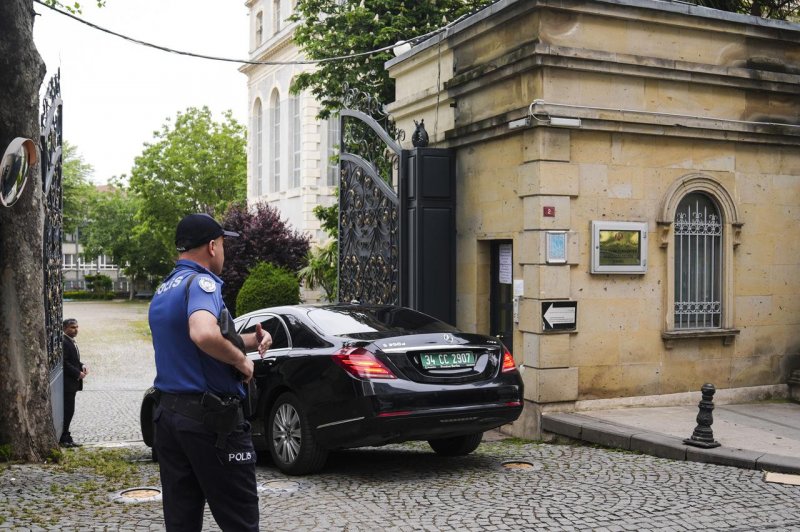 Delegations arrive at the Consulate General of Iran ahead of nuclear talks between Iran and European countries in Istanbul, Türkiye on May 16, 2025. Photo: Beyza Cömert - Anadolu Agency
Following the talks, Iran's Deputy Foreign Minister Kazem Gharibabadi emphasized the importance of maintaining a conducive atmosphere for negotiations, indicating a willingness to engage further with the E3 . However, underlying tensions persist, as evidenced by Iran's criticism of the E3's support for an anti-Iran resolution at the International Atomic Energy Agency (IAEA) in November 2024, which accused Iran of significant non-performance under the Joint Comprehensive Plan of Action (JCPOA).
Path to a deal remains difficult
The path to a comprehensive agreement remains fraught with challenges. Iran's continued accumulation of highly enriched uranium has alarmed the E3 and other global stakeholders. At the same time, Tehran is demanding significant sanctions relief and assurances against potential future U.S. policy reversals, which complicates trust-building efforts.
The E3's stated deadline of June 2025 to conclude a nuclear deal before considering the reimposition of UN sanctions adds a layer of urgency to the negotiations. However, the lack of a clear and unified approach among the E3, coupled with Iran's internal pressures and regional dynamics, casts doubt on the feasibility of reaching a mutually agreeable and sustainable solution in the near term.
 Photo: Freepik
Iran-U.S. talks at the core of diplomatic impasse
At the center of this complex diplomatic puzzle are the negotiations between Iran and the United States. These talks are mired in mutual mistrust and deeply divergent objectives.
Iran's Foreign Minister Seyed Abbas Araghchi has firmly rejected U.S. demands to halt uranium enrichment, emphasizing that such activities are essential for Iran's civilian nuclear energy program and are non-negotiable.
Conversely, U.S. Special Envoy Steve Witkoff has declared enrichment a "red line," citing concerns over potential weaponization. This fundamental disagreement underscores the challenges in aligning both nations' positions.
Further complicating matters, Iran's Supreme Leader, Ayatollah Ali Khamenei, has dismissed negotiations with the U.S. as "not intelligent, wise or honorable," reflecting skepticism rooted in the U.S.'s past withdrawal from the 2015 Joint Comprehensive Plan of Action (JCPOA) .
Trump's dual approach to the nuclear issue
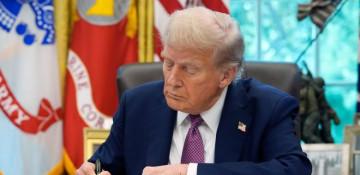
US President Donald Trump has expressed optimism about reaching a new nuclear deal, suggesting that Iran is "close" to accepting his terms. However, he has also warned of severe consequences, including potential military action, if an agreement is not reached. This dual approach of diplomacy coupled with threats may be perceived by Tehran as coercive, hindering the establishment of trust necessary for meaningful negotiations.
Additionally, the involvement of Russia as a potential mediator introduces another layer of complexity. While Moscow could play a constructive role, its close ties with Iran and differing interests from the U.S. might influence the negotiation dynamics.
However, Iran keeps maintaining that its nuclear program is for peaceful purposes and has rejected U.S. demands to dismantle its civil nuclear infrastructure. Foreign Minister Araghchi emphasized that Iran will continue its uranium enrichment activities regardless of the negotiations' outcome, asserting the nation's rights under the Nuclear Non-Proliferation Treaty.
Fragile progress amid high stakes
While diplomatic channels remain open, the road ahead is fraught with challenges. Key sticking points—such as uranium enrichment levels, sanctions relief, inspection regimes, and political guarantees—must all be addressed.
The 2025 U.S.-Iran nuclear talks represent a critical opportunity to avoid further destabilization in the region. But success will require not only political will, but also creative diplomacy, external mediation, and a willingness on both sides to compromise.
The clock is ticking, and with major deadlines approaching, the window for a comprehensive, peaceful resolution is narrowing.
(If you possess specialized knowledge and wish to contribute, please reach out to us at opinions@news.az).


Similar news