Iran is preparing for a tough confrontation with Russia


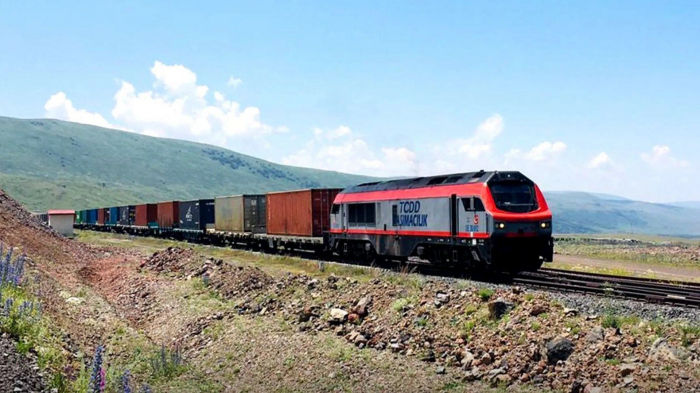
The recent flare-up of tensions surrounding the Zangezur Corridor has once again highlighted just how complex and unpredictable the geopolitical landscape in the Caucasus can be. This corridor, intended to link Azerbaijan with its exclave of Nakhchivan through Armenian territory, has sparked a serious standoff—not just between Azerbaijan and Armenia, but also raising alarms in Iran, a country that traditionally sees this region as part of its sphere of influence. What’s made things even more volatile is Russia’s surprising support for the project, escalating both regional and international conflicts.
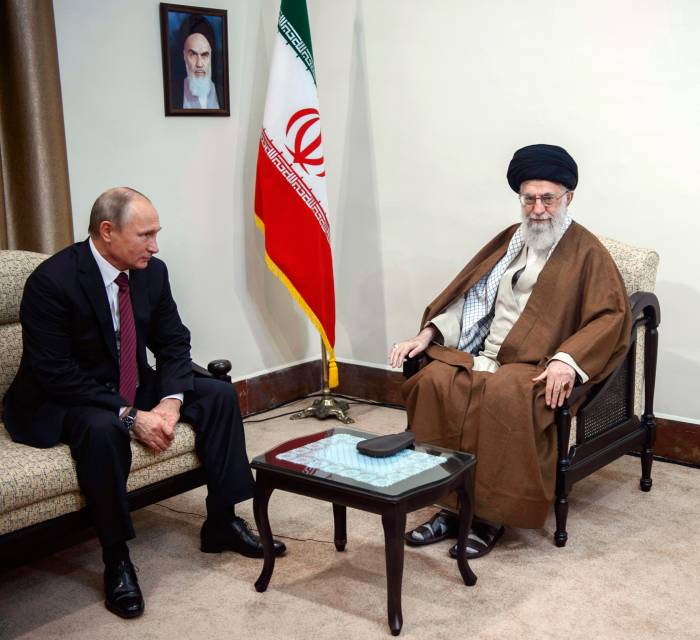
Russia’s endorsement of the corridor blindsided Tehran. During a conversation with Azerbaijani President Ilham Aliyev, Russian President Vladimir Putin expressed full support for the corridor. This move outraged Iranian officials, with Iran’s Foreign Minister Abbas Araghchi responding firmly: “Any threat to the territorial integrity of our neighbors or changes to borders... is completely unacceptable for Iran and constitutes a red line.” Russia, typically viewed as Iran’s ally, suddenly found itself on the opposite side of the issue.
The conflict centers around the strategic significance of the region. For Iran, any changes to borders in this northern area could undermine its influence in the South Caucasus and hurt its economic ties with Armenia—ties that have become particularly important as Iran grapples with international sanctions. Control over Zangezur is more than just a matter of security for Iran; it’s also a matter of maintaining its power in the region. Iran also sees the corridor as a threat from pro-Western forces and Turkey, which supports Azerbaijan and has its own ambitions in the Caucasus.
Russia’s stance on the corridor has sparked a wave of internal political backlash in Iran. Reformist media outlets have slammed the government for what they see as failed diplomacy in the East. Headlines like “Putin’s Gamble” and “A Stab in Iran’s Back” have dominated the front pages, highlighting growing discontent among parts of the Iranian elite with Russia and Turkey’s increasing influence in the region, which could threaten Iran’s security.
But as is often the case in politics, there’s a level of hypocrisy in these debates. The same reformist voices criticizing Russia’s actions are often silent when Western nations take similar steps. This kind of double standard is a recurring theme in Iran’s political scene.
Despite its long-standing partnership with Russia in Syria and elsewhere, Iran is making it clear that national security is non-negotiable. Tehran has already issued warnings about potential consequences for both Russia and Azerbaijan. Ebrahim Azizi, head of Iran’s parliamentary national security committee, didn’t hold back, calling the Zangezur Corridor “a fantasy” and warning against pursuing such “illusions.”
Interestingly, Iran doesn’t oppose unblocking transit routes in the region altogether, but it insists that these routes must remain under Armenian control. This stance is both a sign of support for Armenia and a strategic effort to prevent Azerbaijan and Turkey from dominating the region’s transport and trade routes.
While Iran accuses Azerbaijan and its allies of destabilizing the region, it’s clearly acting in its own self-interest, striving to maintain its dominance in the South Caucasus. Behind its concern for Armenia’s territorial integrity, Iran is effectively trying to block key economic projects that could improve connectivity and trade in the region—including for Iran itself.
By taking such a hardline position on the Zangezur Corridor, Iran is essentially stalling efforts toward regional integration and development, driven by its own political ambitions. Rather than fostering dialogue and supporting the region’s economic growth, Iran is escalating tensions, putting the stability of not only Azerbaijan and Armenia but the wider geopolitical balance at risk.
If Iran continues down this path of threats and inflammatory rhetoric, it risks isolating itself further and weakening its standing. By pursuing such an aggressive strategy, Tehran could lose the backing of not just its neighbors, but also international partners, many of whom prioritize stability and development in the region.
Russia’s endorsement of the corridor blindsided Tehran. During a conversation with Azerbaijani President Ilham Aliyev, Russian President Vladimir Putin expressed full support for the corridor. This move outraged Iranian officials, with Iran’s Foreign Minister Abbas Araghchi responding firmly: “Any threat to the territorial integrity of our neighbors or changes to borders... is completely unacceptable for Iran and constitutes a red line.” Russia, typically viewed as Iran’s ally, suddenly found itself on the opposite side of the issue.
The conflict centers around the strategic significance of the region. For Iran, any changes to borders in this northern area could undermine its influence in the South Caucasus and hurt its economic ties with Armenia—ties that have become particularly important as Iran grapples with international sanctions. Control over Zangezur is more than just a matter of security for Iran; it’s also a matter of maintaining its power in the region. Iran also sees the corridor as a threat from pro-Western forces and Turkey, which supports Azerbaijan and has its own ambitions in the Caucasus.
Russia’s stance on the corridor has sparked a wave of internal political backlash in Iran. Reformist media outlets have slammed the government for what they see as failed diplomacy in the East. Headlines like “Putin’s Gamble” and “A Stab in Iran’s Back” have dominated the front pages, highlighting growing discontent among parts of the Iranian elite with Russia and Turkey’s increasing influence in the region, which could threaten Iran’s security.
But as is often the case in politics, there’s a level of hypocrisy in these debates. The same reformist voices criticizing Russia’s actions are often silent when Western nations take similar steps. This kind of double standard is a recurring theme in Iran’s political scene.
Despite its long-standing partnership with Russia in Syria and elsewhere, Iran is making it clear that national security is non-negotiable. Tehran has already issued warnings about potential consequences for both Russia and Azerbaijan. Ebrahim Azizi, head of Iran’s parliamentary national security committee, didn’t hold back, calling the Zangezur Corridor “a fantasy” and warning against pursuing such “illusions.”
Interestingly, Iran doesn’t oppose unblocking transit routes in the region altogether, but it insists that these routes must remain under Armenian control. This stance is both a sign of support for Armenia and a strategic effort to prevent Azerbaijan and Turkey from dominating the region’s transport and trade routes.
While Iran accuses Azerbaijan and its allies of destabilizing the region, it’s clearly acting in its own self-interest, striving to maintain its dominance in the South Caucasus. Behind its concern for Armenia’s territorial integrity, Iran is effectively trying to block key economic projects that could improve connectivity and trade in the region—including for Iran itself.
By taking such a hardline position on the Zangezur Corridor, Iran is essentially stalling efforts toward regional integration and development, driven by its own political ambitions. Rather than fostering dialogue and supporting the region’s economic growth, Iran is escalating tensions, putting the stability of not only Azerbaijan and Armenia but the wider geopolitical balance at risk.
If Iran continues down this path of threats and inflammatory rhetoric, it risks isolating itself further and weakening its standing. By pursuing such an aggressive strategy, Tehran could lose the backing of not just its neighbors, but also international partners, many of whom prioritize stability and development in the region.


Similar news