Israel–Palestine conflict : A week of escalation, diplomacy, and humanitarian crisis


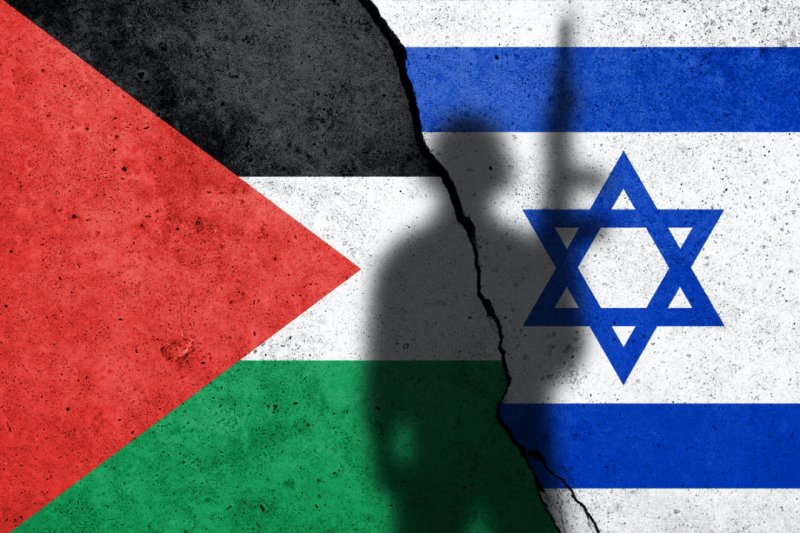
The Israel–Palestine conflict entered another turbulent phase over the past week, marked by intensified Israeli operations in Gaza, mounting civilian casualties, dramatic diplomatic moves at the United Nations, and renewed debate over the future of Palestinian statehood. From the halls of the UN in New York to the devastated streets of Gaza City, developments highlighted both the ferocity of the fighting and the deepening global divisions it has provoked, News.Az reports.
Western Nations Recognize Palestine
The week opened with a seismic diplomatic development. France, Britain, Canada, Australia, and Portugal formally recognized the State of Palestine, a move that signaled a decisive shift by nations traditionally aligned with Israel. French President Emmanuel Macron, addressing the UN General Assembly, said the recognition was tied to the hope of a “peaceful future for Israel” built on the two-state solution.
Israel’s response was immediate and severe. Prime Minister Benjamin Netanyahu denounced the recognitions as “a reward for terror” and vowed that Israel would not be pressured into concessions. Israeli politicians across the spectrum rejected the move, underscoring Israel’s growing international isolation.
Israel Steps Up Gaza Offensive
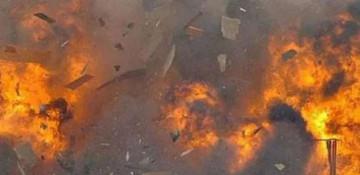
While diplomats traded words in New York, the Israeli military escalated its campaign inside Gaza. On September 24, the Israel Defense Forces (IDF) announced it had struck 170 targets in Gaza, including what it described as Hamas command posts and weapons caches. Airstrikes on the central town of Zawayda killed at least 19 Palestinians, while armored units pushed deeper into Gaza City.
Two days later, the scale of violence surged. On September 26 alone, at least 77 Palestinians were killed in bombardments, one of the highest daily death tolls in recent months. Hospitals and clinics, already overwhelmed, struggled to cope with the influx of wounded as fuel and medical supplies dwindled.
Netanyahu’s UN Speech Sparks Walkout
In New York, Netanyahu used his platform at the UN to promise that Israel would “finish the job in Gaza.” Rejecting international calls for a ceasefire or renewed negotiations, he dismissed the two-state solution and defended settlement expansion in the West Bank. More than 100 diplomats walked out of the hall in protest during his speech, a dramatic gesture of disapproval rarely seen in the chamber.
Rising Tensions in the West Bank
Beyond Gaza, violence continued to spread in the occupied West Bank. Israeli forces carried out raids in Jenin and Tulkarm, while settler attacks on Palestinian villages escalated. Reports indicated that Palestinians were being forcibly displaced from rural areas as new settlement outposts were legalized. The Washington Post described Israel’s actions as a sweeping transformation of the West Bank’s political and geographic landscape under the cover of war.
Mass Casualties and Humanitarian Collapse
By September 27, Gaza’s health ministry reported more than 65,500 Palestinians killed and over 167,000 wounded since the war began. International NGOs described conditions as “beyond catastrophic.” Displaced families crowded into makeshift shelters, food insecurity worsened, and health facilities teetered on collapse.
The following day, September 28, Israel unleashed one of its heaviest bombardments in weeks, claiming to have struck 140 targets in 24 hours. At least 59 Palestinians were killed, including 10 in the Nuseirat refugee camp. Aid agencies warned that “nowhere in Gaza is safe.”
Ceasefire Framework Emerges
Amid the violence, behind-the-scenes diplomacy accelerated. Netanyahu confirmed that Israel is drafting a 21-point ceasefire framework in coordination with the United States. The plan reportedly includes an immediate ceasefire, release of hostages within 48 hours, and a phased Israeli withdrawal from Gaza. Hamas, however, has demanded a 24-hour pause and partial withdrawal to recover missing hostages, a proposal Israel has so far rejected.
Former U.S. President Donald Trump, positioning himself as a mediator, declared that a deal was “close” ahead of meetings with Israeli officials. Egypt and Jordan issued stark warnings, with Cairo cautioning that the Middle East was “on the brink of collapse.”
Symbolic Acts of Resistance
On the same day, the “Global Sumud Flotilla,” a convoy of 47 civilian boats carrying aid and activists, set sail once again toward Gaza to challenge Israel’s naval blockade. The flotilla underscored the growing global solidarity movement with Palestinians and the mounting pressure on Israel’s military restrictions.
A Week in Perspective
The week’s developments painted a grim but complex picture. On one side, Israel pressed ahead militarily, determined to weaken Hamas and consolidate control in Gaza and the West Bank. On the other, Palestinians bore the brunt of the violence, with thousands of civilians killed or displaced. Meanwhile, the international community showed signs of fracture: key Western allies of Israel broke ranks to recognize Palestine, while others tried to steer fragile ceasefire negotiations.
For now, the war remains locked in a cycle of bombardment and retaliation, diplomacy and defiance. The recognition of Palestine by major Western states may have reshaped the political map, but on the ground, the suffering continues unabated. As winter approaches, the question is whether ceasefire efforts can succeed before the humanitarian crisis in Gaza deepens even further.


Similar news