Over the past week, the Israel–Palestine conflict has entered another volatile phase, characterised by escalating violence, mounting humanitarian strain and renewed diplomatic friction. Despite occasional cease-fire rhetoric, the situation on the ground suggests the war of attrition continues — and the risk of wider regional spill-over appears higher than ever.
Military escalation and civilian toll
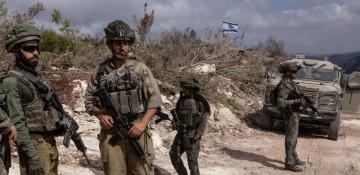
Israeli forces expanded air and ground operations in the Gaza Strip, particularly in northern and central zones, targeting areas around Gaza City and the Jabalia district. Reports indicate strikes have hit suspected militant command posts, tunnel networks and logistic hubs. At the same time, Palestinian sources say dense civilian neighbourhoods were affected, with dozens of non-combatants among casualties and thousands displaced as the so-called “yellow line” (the boundary between safe areas and combat zones) becomes increasingly unclear.
In the West Bank, violence also surged. Israeli raids in several refugee camps and towns triggered clashes with Palestinian residents. Settler-related attacks increased, heightening tensions in already fragile communities. The combined effect is a marked deterioration of the security situation across both Gaza and the West Bank.
Humanitarian crisis deepens
As winter approaches, the humanitarian situation has grown more precarious. Displaced families in southern Gaza are facing severe shortages of food, clean water, heating and fuel. With infrastructure severely damaged in consecutive rounds of bombing, many aid-distribution points are overwhelmed or physically unreachable. Medical teams in Gaza report hospitals operating at minimal power, water supplies faltering and ambulances struggling to reach remote areas.
In several northern sectors of Gaza, residents reported power cuts lasting hours, followed by loss of piped water. With low temperatures setting in, the lack of heating, intact shelter and access to basic medicines raises acute risks — especially for children, the elderly and chronically ill. Humanitarian agencies warn that continued bombardment plus restricted access threaten to trigger a deeper crisis on top of the ongoing war.
Regional ripple-effects and diplomatic moves
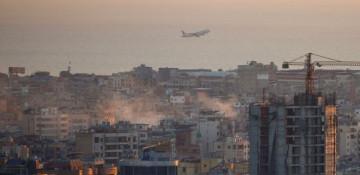
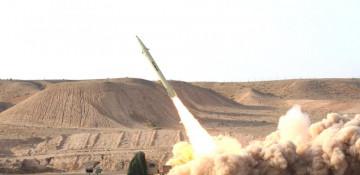
Beyond the immediate theatre, the conflict is generating stronger regional tremors. Israeli air- and drone-strikes in border areas such as southern Lebanon prompted concern about wider mobilisation by groups aligned with Iran. While direct large-scale engagement remains limited, the potential for escalation along Israel’s northern flank is elevated.
On the diplomatic front, the United Nations and other international actors attempted to re-launch momentum for a Gaza stabilisation plan. However, talks have stalled amid disagreement over core issues: post-war governance of Gaza, the release of hostages, reconstruction funding, and long-term Palestinian state-building. One United Nations resolution under discussion envisages an international force for Gaza — but implementation remains remote given ongoing fighting.
Within Israel, political pressure is mounting. The government faces internal dissent over the handling of the war, the fate of hostages and the mounting civilian casualties among Palestinians. On the Palestinian side, leadership in Gaza and the West Bank is showing signs of fragmentation: some factions pushing for negotiation, others advocating continuation of militant operations.
Core dilemmas and negotiating paths
The week’s events underscore three central dilemmas that lie at the heart of any resolution: sovereignty, security and reconstruction. For Palestinians, any deal must address the occupation, access and self-determination. For Israel, the overriding priority remains dismantling hostile militant capacity in Gaza, ensuring future threats are neutralised, and preventing renewed attacks.
Negotiators continue to grapple with how to combine an immediate cease-fire with long-term commitments. One such path is phased arrangements: first, a cessation of active hostilities; then, the release of hostages and prisoners; followed by reconstruction and governance reform in Gaza; culminating in broader political talks over a Palestinian state. But none of these phases is straightforward. Each is contested, and the pace of fighting risks undermining trust and framing.
Another dimension is the West Bank. Israeli military operations and settler violence there raise questions about whether Gaza-focused talks alone can hold if violence elsewhere is left unaddressed. Palestinian stakeholders warn that any Gaza deal void of West Bank dynamics will lack legitimacy and may perpetuate the cycle of conflict.
Outlook — risks, possibilities and timing
In the coming days, several flash-points will bear watching:
-
Should Israel press further into northern Gaza, particularly around Gaza City, the risk of high-casualty urban battles and wider dislocation of civilians will rise.
-
If Palestinian militant groups or Hezbollah affiliates execute cross-border operations or rocket attacks from Lebanon, Israel may open a second front in the north—escalating the conflict regionally.
-
On the humanitarian front, winter conditions will test resilience. Failure to restore power, heating or clean water for hundreds of thousands could trigger mass displacement and raise moral and political pressure on all parties.
-
Diplomatically, if a cease-fire deal can be stitched together in the next few weeks—especially one incorporating hostages, roads to reconstruction and international guarantees—it may reduce imminent risk of full-scale operations. But conversely, if negotiation stalls while fighting intensifies, the conflict may enter a more entrenched phase, making future settlement far harder.
Strategic implications
The war is no longer just a localized theatre between Israel and Gaza. Its implications extend across energy supply lines, neighbouring states, international arms flows and global human rights discourse. For example, winter power failures in Gaza may influence regional civilian-energy infrastructure planning. Similarly, the degree to which an international stabilisation force is accepted could reshape how future post-conflict governance is approached in other contested regions.
At a geopolitical level, the conflict influences alliances across the Middle East. The involvement (direct or indirect) of Iran-backed proxies, Gulf states’ positioning, and the role of Western states all feed into broader rivalries — from the Red Sea corridor to Central Asian energy links. The war also filters into global public opinion, affecting perceptions of Israel and Palestine in academic, diplomatic and investor forums.
In short, the Israel–Palestine conflict over the past week has intensified across multiple dimensions – military, humanitarian and diplomatic. While opportunities for negotiation exist, they are narrowing as the fighting escalates and the humanitarian toll mounts. Whether a breakthrough can be achieved in the near term remains uncertain, and the coming weeks will likely determine whether the region moves toward a fragile settlement or deeper entrenchment of conflict.