Israel's response to Iran’s missile attacks: How will the conflict unfold?


.png)
By Faiq Mahmudov
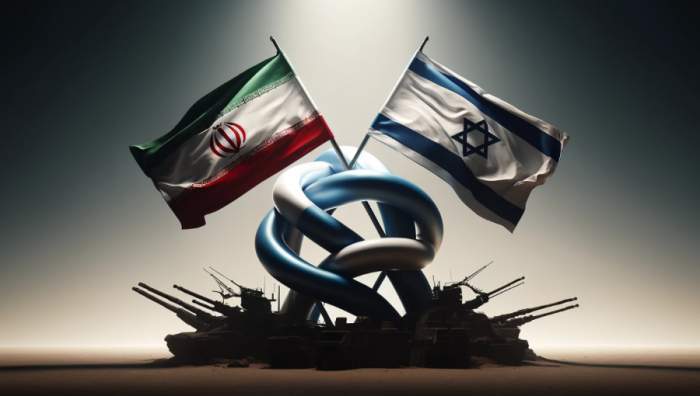
On October 1, Iran launched a series of unprecedented missile strikes against Israel , marking a significant escalation in tensions within the region. Hundreds of missiles were fired, targeting major Israeli cities like Jerusalem and Tel Aviv, leading to widespread devastation. These attacks were a direct response to Israel’s ongoing operations, which have systematically dismantled the military infrastructures of Hezbollah in Lebanon and Hamas in Palestine—groups backed by Iran.This sudden escalation has left the global community questioning what lies ahead. What are Iran’s broader intentions behind such a bold and direct assault? What could be the next phase in this unfolding conflict, and how will Israel—known for its swift and decisive military responses—react to this unprecedented attack? Will the situation ignite a larger regional conflict that could involve other global powers?
To shed light on these urgent questions, News.Az reached out to leading military and political experts for their insight. Their analyses delve into the potential military strategies that Iran might adopt as the conflict progresses and explore Israel’s likely countermeasures in the wake of Iran's ballistic missile offensive.
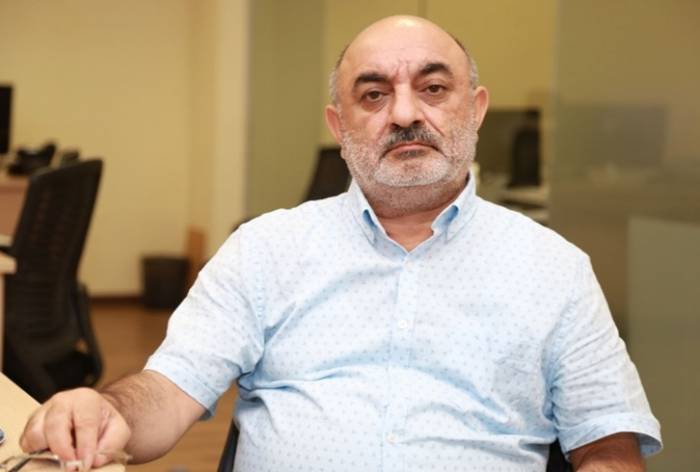
Sadreddin Soltan, head of the Middle East Research Center and a political expert, told News.Az that Israel’s immediate response will likely be the neutralization of all traces of Hamas or other military units in the affected areas: "Israeli armed forces will neutralize militant factions in other parts of Palestine. Significant measures will be taken against political forces opposing Israel. Additionally, Israel will accelerate the process of releasing hostages around Simvar. Hezbollah’s presence in Lebanon will be eradicated, and strict actions will be taken against Iran-affiliated forces in Lebanon. Israel will also take decisive steps against the Houthis, and diplomatic talks with Arab nations in the region will commence."
The political expert also noted that Israel's broader strategy in response to Iran is to dismantle Iran's proxy forces: "Should these forces be eliminated, Iran may attempt to mobilize groups in Iraq and Syria and deploy them along Israel’s borders. Iran could also seek to expand its influence in Syria. However, despite the ongoing conflict, it is unlikely that the West will engage in direct negotiations with Iran, as this conflict cannot be sustained long-term without undermining the stability of Syria, Iraq, and broader Western interests in the region."
Soltan further suggested that in the future, the U.S. and Western countries might impose new sanctions against Iran: "We could even see sanctions imposed against countries that have supported the Iranian government during the recent events, including their leadership."
The expert concluded that large-scale military operations in Iran remain improbable: "Iran will likely focus on reviving organizations such as Hamas and Hezbollah or mobilizing new forces to continue its regional strategy."
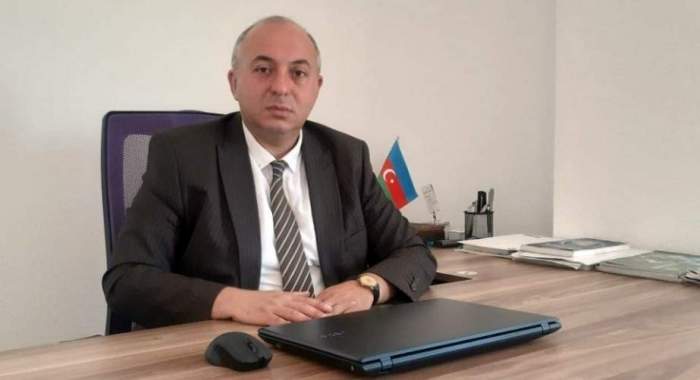
Military expert Ramil Mammadli told News.Az that Israel's involvement in the ongoing conflict between Iran and America over control of the Arab world in the Middle East has been apparent for many years: "The events that transpired were, in fact, anticipated. The conflicts were typically carried out through hybrid warfare. For example, Israel, which once supported groups formed by ethnic Kurds, conducts various provocative operations on Iranian soil and along its borders. In the later stages, Iran laid the groundwork for a hybrid war against Israel through the armed groups it established. Iran has engaged in military operations against Israel via Syria, Palestine, and Gaza."
The expert emphasized that the situation is at a highly tense stage: "The conflict has escalated to tactical, missile, and ballistic missile levels. Of course, Iran's air and missile strikes were a retaliatory measure for Israel's targeting of Iranian military bases and personnel in Lebanon, Syria, and Yemen. I believe that in this situation, the West, especially America, will attempt to de-escalate the conflict. Diplomatic negotiations will likely be pursued to prevent further escalation, as it is not in America's interest to open another front in the Middle East at this time. Should ground operations between Iran and Israel commence, particularly in Syria and Lebanon, American intervention in the process would be inevitable."
According to Mammadli, limited confrontations are likely: "Israel might carry out minor operations against key strategic targets in Iran, Lebanon, and Syria. However, at this stage, we are unlikely to see a full-scale war. While certain skirmishes may continue, the process has been somewhat halted by Western, particularly American, influence."


Similar news