Lana Ravandi-Fadai: Return of Pahlavi dynasty in Iran is practically impossible – INTERVIEW


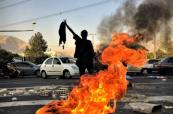
Iran is facing one of its most significant waves of civil unrest in recent years, as protests spread across 78 cities in 26 provinces. What began as demonstrations over rising prices, currency instability, and declining living standards has evolved into a broader political movement, with protesters questioning the legitimacy of Supreme Leader Ayatollah Ali Khamenei and calling for systemic change.
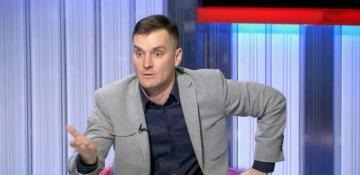
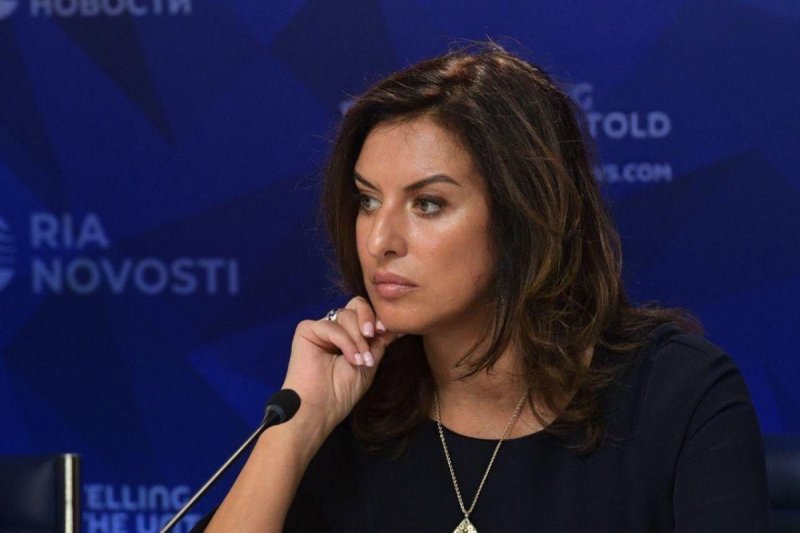
Against this backdrop, News.Az spoke with Russian Iranologist Lana Ravandi-Fadai, a leading expert on Iran’s politics and society.
Drawing on her research and long-standing expertise, Ravandi-Fadai analyzes the drivers of the unrest, the possible role of external actors, the limits of dialogue between the authorities and the public, and the prospects for a potential return of the Pahlavi dynasty.
– Protests in Iran are escalating, now spreading to 78 cities across 26 provinces. What began as economic grievances has evolved into political demands, including calls for the overthrow of Supreme Leader Ayatollah Ali Khamenei and a revision of state policies. How do you see these developments unfolding?
– In short, I would not expect an immediate collapse of power. At the same time, it would be wrong to dismiss this as just another cycle of unrest. Iran has entered a phase best described as a crisis of confidence. Historically, such crises rarely resolve quickly.
The protests initially arose from economic hardship — soaring prices, currency instability, the difficulty of living and working, and the perception that the state cannot manage basic affairs. But once economic protests take on a political dimension, a second layer emerges: questions of legitimacy and responsibility. This transforms the dynamic entirely. And I must say, sanctions and external pressures are a major underlying factor.
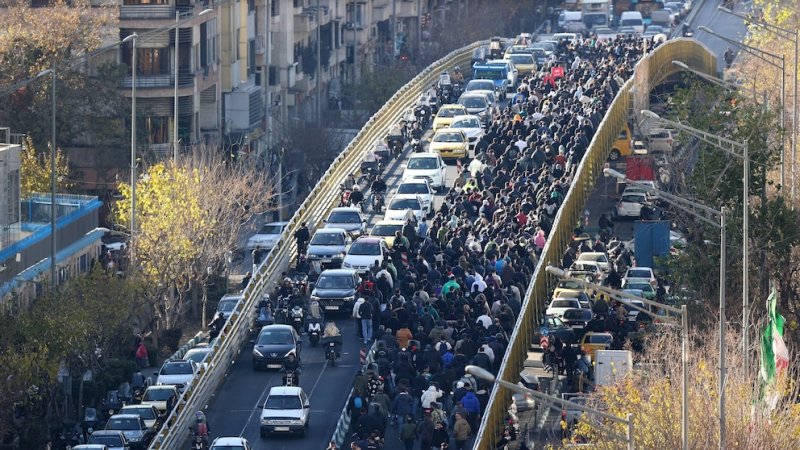 Photo: AP
I see three realistic scenarios for how the situation could evolve:
1. Pulsating turbulence. This, in my view, is the most likely. Protests subside, only to resurface in waves. Force may temporarily clear the streets, but unless economic pressures ease, people will return. This cycle — outbreak, pause, new outbreak — tends to grow more intense over time.
2. Harsh suppression. The authorities could rely on arrests, restrictions, and targeted purges. In the short term, this may appear effective. But the cost is rising internal mistrust. Even those not protesting often sympathize with demonstrators, viewing their actions as a struggle for a normal life rather than a political game.
3. Détente through economy and governance. This approach does not mean a radical system overhaul, but rather a strategy to reduce tensions through practical steps: stabilizing currency, demonstrating governmental control, making personnel changes, using conciliatory rhetoric, and attempting to restore normalcy. This may temporarily ease tensions, especially if economic pressures lessen, but without lasting improvements, the effect will be fleeting.
The key point is this: the question is not whether anti-Supreme Leader slogans are being raised — such radical slogans have been heard in Iran before. The question is whether the system itself will begin to fracture — through elite splits, conflicts between power centers, or loss of local control. Fortunately, we have not seen clear evidence of this yet. That is why talk of imminent regime collapse is premature.
However, dismissing the unrest as inconsequential would also be a mistake. This is a serious stress test for the state, and its outcome will depend largely on two factors: how quickly the economy can be stabilized and how cautiously the government uses force, to avoid escalating protests.
– Could external forces be behind the protests?
– It is crucial to distinguish between two levels: who initiated the protests and who has an interest in seeing them escalate and radicalize. These are not the same.
I do not believe the protests were “created from outside.” Their roots lie firmly within Iran: economic crisis, declining living standards, fatigue, and uncertainty. No external power can mobilize people without these underlying tensions.
However, at the second level — exploitation of the crisis — external actors certainly play a role. Israel, for instance, has a strategic interest in weakening Iran — not necessarily through outright war, though that is discussed, but through internal instability that drains resources and diminishes foreign policy capabilities. Any domestic crisis is viewed in Israel as a window of opportunity.
This does not mean Israel is directing the protests. Rather, it monitors events closely, shaping the informational and political narrative to portray Iran’s government as illegitimate and the protests as the start of irreversible change. This aligns with longstanding external pressure on Iran.
For the United States, the influence is less direct, more about creating a contextual backdrop. Harsh rhetoric, threats, and sanctions often exacerbate tensions rather than reduce them. Inside Iran, these signals reinforce the perception of external pressure, narrowing the space for domestic compromise.
Thus, my answer is nuanced: the protests themselves originate internally, but external actors, especially Israel, have a vested interest in their deepening and prolonging. The combination of domestic issues and strategic external interests makes Iran’s situation especially complex and dangerous.
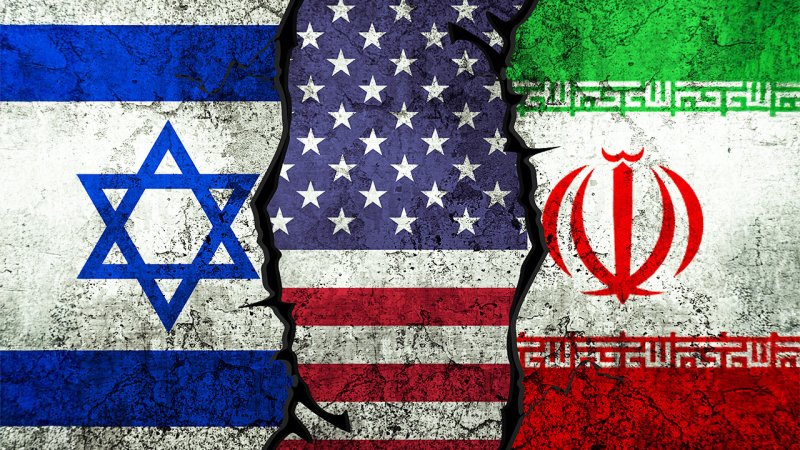 Photo: Shutterstock
– The Iranian leadership emphasizes dialogue with demonstrators and recognition of their demands. Could this reduce tensions?
– Dialogue is indeed being emphasized, and this is deliberate. Iranian authorities consistently distinguish between legitimate, peaceful socio-economic protests and violent, radical actions. This distinction is historically used in Iran as a tool to manage crises, not as an empty gesture.
Dialogue serves primarily to return protests to a manageable course: isolating radical elements while separating participants by motivation. This is a classic Iranian crisis management model, seen in previous periods of unrest.
Theoretically, dialogue can reduce tensions, but only if backed by real economic and administrative measures. Verbal acceptance of demands alone, without stabilizing currency, prices, and employment, will not yield lasting results. Economic stability remains the main source of discontent.
External pressure further complicates dialogue. Sanctions, threats, and hostile rhetoric are seen as reducing the government’s willingness to compromise. Any concession under such conditions is perceived as weakness.
In short, dialogue can help, but only as part of a broader strategy that includes economic stabilization, governance restoration, and reducing external pressure. Otherwise, it risks being perceived as a temporary pause rather than a real solution.
– Protesters are invoking Crown Prince Reza Pahlavi, who resides in the United States. How realistic is the return of the Pahlavi dynasty?
– Mentions of Reza Pahlavi require careful context: who is invoking his name, where, and with what intent.
The return of the Pahlavi dynasty in Iran is practically impossible — not due to external constraints, but because of public sentiment.
While his name is prominent among the diaspora, on social media, and in English-language media, where he symbolizes a “lost Iran” or an alternative path, inside the country, the monarchy is largely seen as part of the past, not a solution to contemporary problems. Even dissatisfied citizens do not widely call for a return of the Shah. The monarchy is often perceived as disconnected from social justice and national sovereignty.
Moreover, Reza Pahlavi lacks political infrastructure within Iran — no stable organizational structures, networks, or institutional support. Without these, the notion of restoring the monarchy is symbolic and media-driven, not politically feasible.
In conclusion, while his name may serve as a protest slogan, particularly among expatriates, there is no genuine domestic demand for a return to monarchy. It remains an external narrative with little grounding in Iranian social reality.
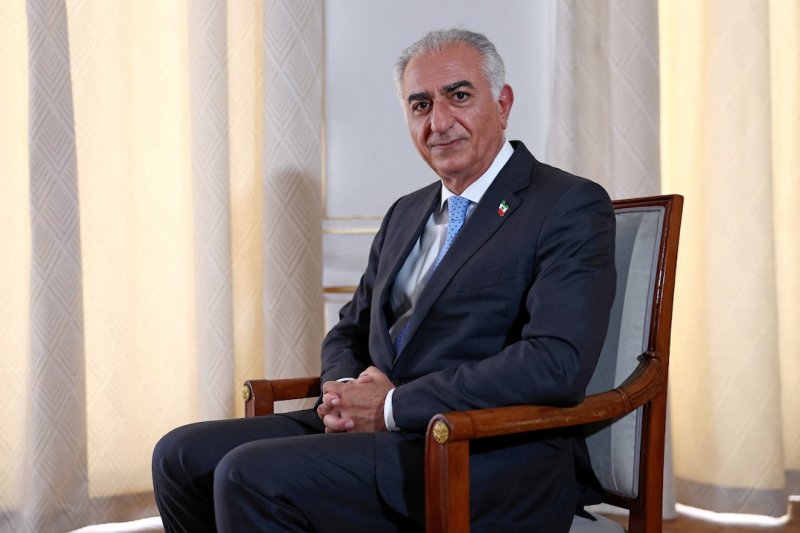 Photo: Reuters
– U.S. President Donald Trump and Israeli Prime Minister Benjamin Netanyahu have hinted at possible strikes on Iran. How likely is this scenario?
– Statements about potential strikes should be viewed as instruments of political and strategic pressure. Words themselves are a tool of escalation.
For the U.S., such statements signal vigilance to Tehran, demonstrate engagement to allies, and serve domestic political purposes. A direct war with Iran is extremely difficult, costly, and unpopular; therefore, the American approach relies on threats more than immediate military action.
Israel’s stance is different. Iran is perceived as an existential threat, and preemptive action is more openly discussed in Israeli political culture. Netanyahu’s statements are harsher and cause regional alarm.
Even for Israel, a full-scale strike carries extreme military, political, and regional risks. Any large-scale attack would likely provoke retaliation, expanding the conflict. The immediate question is not whether Israel seeks to pressure Iran, but whether it is prepared for the consequences.
The most likely scenario remains a strategy of threats, targeted operations, covert actions, and psychological pressure. Yet with Iran facing internal crises and external hostility, the risk of miscalculation is high. Any incident could trigger a chain reaction.
Netanyahu’s actions appear intertwined with domestic politics: legal challenges, retaining power, and controlling his political base. External tensions serve as a tool for internal consolidation, allowing societal mobilization and sidelining contentious issues. This explains why de-escalation is not a current priority.
U.S. involvement amplifies risk. Israel often leverages its influence to gain U.S. backing. The combination of Israel’s internal complexities, ongoing escalation, and potential American participation makes the present moment particularly dangerous. In this framework, war is not a last resort but a convenient political instrument — something the Middle East has witnessed repeatedly, often with devastating consequences.
By Asif Aydinli


Similar news