Middle East on the brink: Israel prepares for possible strike on Iran


.png)
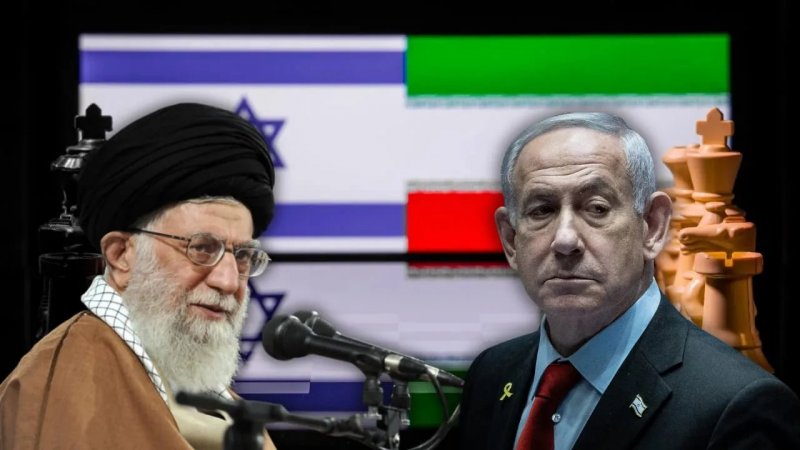
Editor's note: Faig Mahmudov is an Azerbaijan-based journalist. The article expresses the author's personal opinion and may not coincide with the view of News.Az.
Tensions in the Middle East have reached a critical point. Multiple sources, including U.S. intelligence and media reports, indicate that Israel is fully prepared to launch a preemptive strike on Iranian nuclear facilities. This development, while not yet materialized, is stirring concern among policymakers, military analysts, and global markets alike. At stake is not only the future of Iran’s nuclear program but also the stability of an already volatile region.
Israel has long maintained that a nuclear-armed Iran poses an unacceptable threat to its national security. Iranian officials, for their part, insist their nuclear program is for peaceful purposes and is within the framework of the Nuclear Non-Proliferation Treaty (NPT). However, international concerns about transparency, combined with enriched uranium stockpile levels, have kept the program under close scrutiny by the International Atomic Energy Agency (IAEA).
From a legal standpoint, any military action by one state against another must meet strict criteria under the United Nations Charter—especially Article 51, which permits self-defense only in the face of an imminent armed attack. Whether the present conditions qualify as “imminent” is open to interpretation, and therein lies the complexity of the situation.
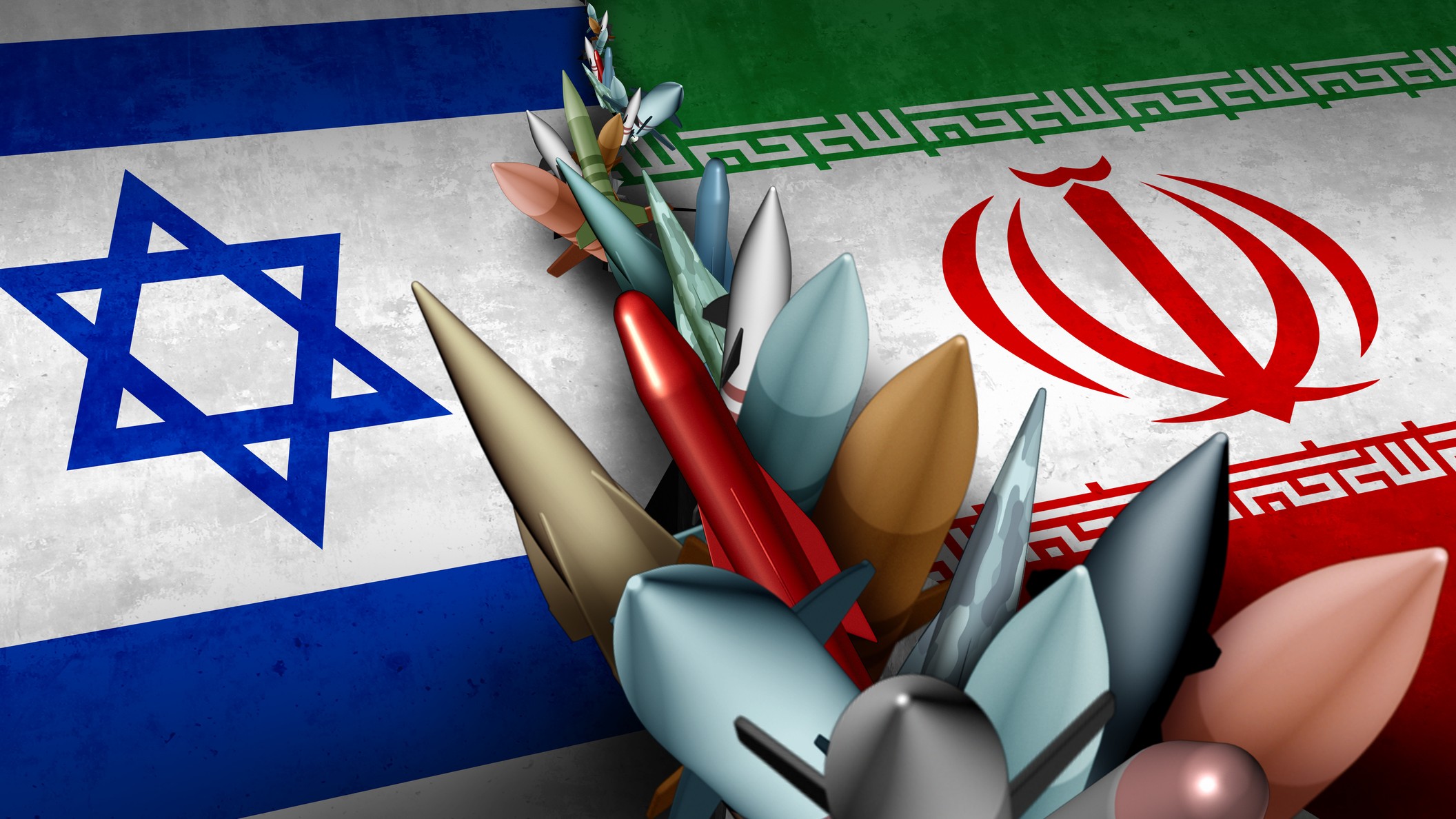
Source: BBC
A strike on Iranian facilities would not occur in isolation. Iran has developed a vast network of regional influence, including non-state actors in Lebanon, Syria, Iraq, and Yemen. Retaliatory measures could therefore take multiple forms—from direct missile launches to asymmetric warfare across several fronts.
The United States, currently under the leadership of President Donald Trump, finds itself in a delicate position. On one hand, Washington is a key ally of Israel and shares many of its concerns regarding Iran’s regional posture. On the other hand, the U.S. has thousands of troops and diplomatic personnel in the region—many of whom could be vulnerable to retaliatory attacks. Recent reports of American embassies reducing staff in Iraq and other Gulf states signal the seriousness with which U.S. officials are treating the possibility of escalation.
The potential consequences extend well beyond the region. An Israeli-Iranian conflict could disrupt vital shipping lanes, notably the Strait of Hormuz, through which nearly one-fifth of the world’s oil supply passes. In an already fragile global economy, any disruption to energy supplies could lead to price shocks, inflation spikes, and renewed global uncertainty.
Moreover, a military strike risks undermining the international non-proliferation regime. If Iran responds by withdrawing from the NPT or accelerating its program outside of IAEA oversight, a new arms race in the Middle East cannot be ruled out. Other regional powers may follow suit, eroding decades of nuclear restraint.

Source: Jpost
What is needed now is not a rush to confrontation but a return to diplomacy—however difficult that path may seem. Third-party mediators, such as the European Union, Türkiye, or neutral Gulf states, may still have a role to play in preventing further deterioration. Any agreement, to be effective, must address the core security concerns of both sides: Israel’s fear of existential threat, and Iran’s demand for sovereign rights and relief from sanctions.
Military action, even if tactically successful, may offer only short-term gains while generating long-term instability. Preventive strikes historically delay but rarely eliminate the capabilities they target. Conversely, robust diplomacy, transparency mechanisms, and verified limits have proven more sustainable in managing nuclear risks.
The situation unfolding between Israel and Iran is a stark reminder of how fragile peace can be in regions defined by historical animosity and geopolitical rivalry. While the right to security is fundamental, so too is the principle of restraint. The coming days will test not just the decision-making of individual states, but the capacity of the international community to defuse a crisis before it turns into a broader conflict.
In a region where conflict often begins with calculation but ends in chaos, caution and diplomacy remain the world’s best tools for preventing another war.
(If you possess specialized knowledge and wish to contribute, please reach out to us at opinions@news.az).


Similar news