Smart cities and green energy: how Azerbaijan is rebuilding liberated territories


Editor's note: Aysel Mammadzada is an Azerbaijan-based journalist. The views expressed in this article are the author’s own and do not necessarily reflect those of News.Az.
The Great Return programme represents one of the most ambitious national reconstruction and resettlement efforts in modern history. It is Azerbaijan’s large-scale initiative to rebuild and repopulate the territories of Karabakh and East Zangezur, which were liberated after nearly three decades of occupation. Beyond physical reconstruction, the programme symbolises the restoration of cultural heritage, the revival of economic life, and the return of displaced families to their ancestral lands. It is not only a national project but also a long-term vision aimed at creating a modern, sustainable, and technologically advanced region, News.Az reports.
At its core, the Great Return is based on a comprehensive state strategy that combines infrastructure development, security, environmental restoration, economic revitalisation, and social reintegration. The programme is being implemented in carefully planned phases to ensure that resettlement takes place safely and sustainably.
RECOMMENDED STORIES
Before any large-scale return could begin, one of the most critical challenges had to be addressed: landmine contamination. Vast areas of the liberated territories were heavily mined, posing serious risks to human life and reconstruction efforts. As a result, humanitarian demining became the first and most urgent priority.
The Azerbaijan National Agency for Mine Action (ANAMA), together with international partners, has been actively involved in clearing thousands of hectares of land. Advanced technologies such as drone-based mapping, digital detection systems, and modern explosive ordnance disposal equipment have significantly improved efficiency. Roads, residential areas, and strategic zones are being prioritised to ensure that returning families can live in safe environments.
Although the process is time-consuming due to the scale of contamination, continuous progress has allowed the gradual expansion of safe zones, paving the way for infrastructure development and resettlement.
Unlike traditional post-conflict reconstruction, Azerbaijan is not simply restoring old structures — it is building entirely new cities and villages based on modern urban planning principles. The concept of “smart cities” and “smart villages” is central to the Great Return programme.
One of the most prominent examples is Aghdam, often referred to as the “Hiroshima of the Caucasus” because of the scale of destruction during the occupation period. Today, Aghdam is being rebuilt from scratch according to a master plan that envisions a modern urban centre with residential districts, green spaces, schools, hospitals, and cultural institutions. The Aghdam Industrial Park has already been established, with the aim of turning the city into a regional economic hub.
Fuzuli is another key example of transformation. It has become one of the first fully planned smart cities in the liberated territories. The construction of Fuzuli International Airport marked a historic milestone, providing direct air connectivity to the region and accelerating the development of both tourism and logistics. Residential complexes, public services, and social infrastructure are rapidly expanding, turning the city into a model of modern urban living.
Shusha, often called the cultural capital of Azerbaijan, holds a unique place in the reconstruction process. Unlike newly built cities, Shusha is being carefully restored to preserve its historical identity. Mosques, museums, and architectural monuments are undergoing restoration. At the same time, modern infrastructure is being integrated in a way that respects the city’s cultural heritage. Shusha has already become a major cultural hub, hosting international events, festivals, and forums that highlight its historical significance.
Lachin has also undergone significant transformation. The city has been rebuilt and its residents have begun returning. New residential areas, public facilities, and administrative buildings are already operational. Strategic transport corridors connecting Lachin with surrounding regions are being developed, strengthening regional integration.
Zangilan represents one of the most innovative models within the Great Return. The Aghali village, located in Zangilan district, is the first “smart village” built entirely on green and digital technologies. It includes renewable energy systems, smart water management, digital governance, and sustainable agricultural practices. Aghali serves as a pilot model for future rural development projects in the liberated territories.
Kalbajar, with its mountainous terrain and rich natural resources, is being developed with a focus on eco-tourism, energy infrastructure, and sustainable settlement planning. Roads, tunnels, and communication lines are being constructed to connect the region with the rest of the country, overcoming geographical challenges.
Infrastructure development is one of the most visible aspects of the Great Return. Massive investments have been made in roads, tunnels, and highways to connect the liberated regions with Azerbaijan’s major cities.
One of the most significant projects is the Victory Road, which connects Fuzuli with Shusha. This road not only provides transport access but also symbolises national pride and victory. Other major highways, such as the Ahmadbayli–Fuzuli–Shusha road and the Horadiz–Zangilan–Aghband corridor, are under development, creating a strong logistical network across the region.
Bridges, tunnels, and mountain roads are being constructed to overcome difficult terrain, particularly in Kalbajar and Lachin. These transport networks are essential for economic development, tourism, and the movement of returning populations.
A key pillar of the Great Return is international connectivity. Three major airports are being developed in the liberated territories.
Fuzuli International Airport has already been operational for several years and serves as the main gateway to Karabakh. Zangilan International Airport has also been completed and opened, strengthening regional air connectivity. Meanwhile, Lachin International Airport is currently under construction and will further expand access to the mountainous regions.
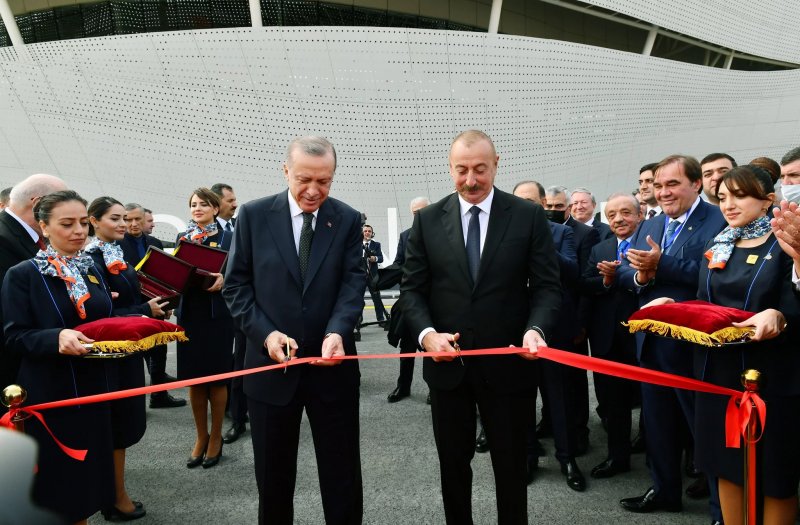
These airports are not only transport hubs but also strategic assets supporting tourism, trade, and international investment.
At the heart of the Great Return is the resettlement of displaced families who were forced to leave their homes decades ago. The process is being carried out in stages to ensure that living conditions are safe and sustainable.
The first return took place in Aghali village, where families were relocated to fully equipped smart homes with access to modern utilities, internet connectivity, and sustainable energy systems. This marked a historic moment, as it became the first fully planned resettlement in the liberated territories.
In Lachin, residents have also started returning to newly built homes. Fuzuli and other regions are preparing for further phases of resettlement as infrastructure becomes fully operational.
The government provides housing, social services, education, and employment opportunities to ensure that returning citizens can rebuild their lives with dignity and stability.
The Great Return is not only about rebuilding homes but also about creating economic sustainability. Industrial parks, agricultural zones, and business incentives are being developed across the region.
Aghdam Industrial Park is one of the most important economic centres, attracting investment in manufacturing, construction materials, and logistics. Zangilan and Fuzuli are developing agro-industrial zones focused on livestock, crop production, and food processing.
Special economic zones and tax incentives are being introduced to attract both local and foreign investors. These measures aim to transform the liberated territories into competitive economic regions within Azerbaijan and beyond.
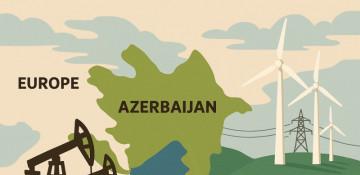
Sustainability plays a central role in reconstruction efforts. The liberated territories are being developed as “green energy zones”, with significant investments in solar and wind power projects.
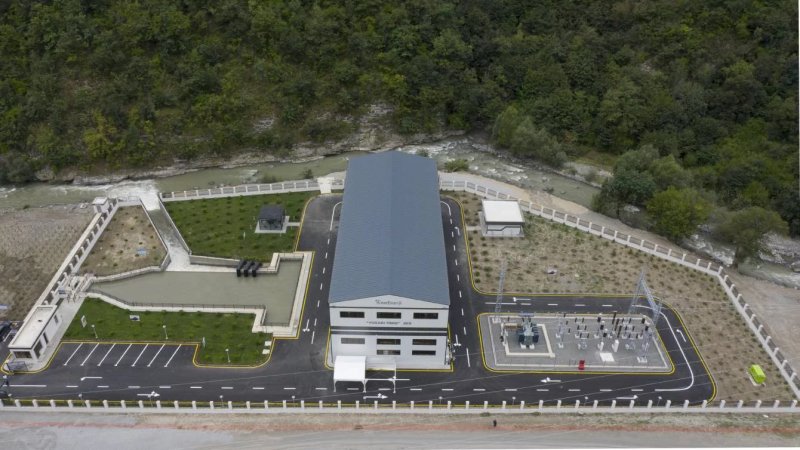
Water reservoirs are being restored, irrigation systems modernised, and forest areas reforested to revive ecological balance. Environmental protection programmes aim to ensure long-term sustainability while supporting agriculture and tourism.
The integration of renewable energy systems in smart villages such as Aghali demonstrates Azerbaijan’s commitment to environmentally friendly development.
Reconstruction also includes the development of essential social infrastructure. New schools, kindergartens, and medical centres are being built across the region.
Modern hospitals and healthcare facilities are being established to provide quality medical services to returning residents. Education is being enhanced through smart school systems and digital learning tools, ensuring that children in these regions have access to modern education.
Cultural and educational complexes in Shusha and Fuzuli are also being developed to promote the arts, science, and cultural heritage.
The liberated territories are rich in cultural and historical heritage. The restoration of mosques, monuments, and museums is an essential part of the Great Return.
Shusha, in particular, is being carefully restored as a cultural capital. Historic buildings are being preserved, while new cultural institutions are being established. Festivals, international forums, and cultural events are helping to revive the city’s historical significance on a global scale.
This cultural revival ensures that the identity and memory of the region are preserved for future generations.
The Great Return is more than a reconstruction project — it is a symbol of national resilience, unity, and renewal. It reflects a long-term vision in which formerly devastated territories are transformed into modern, livable, and economically vibrant regions.
By combining advanced technology, sustainable development, and cultural preservation, Azerbaijan is creating a model of post-conflict reconstruction that is being closely observed internationally.
The transformation of Karabakh and East Zangezur is still ongoing, but the progress already achieved sends a powerful message: even after decades of destruction, rebuilding is not only possible — it can also become an opportunity to create something stronger, more modern, and more sustainable than before.
(If you possess specialized knowledge and wish to contribute, please reach out to us at opinions@news.az).


Similar news