Minsk: A capital where past and future walk side by side - PHOTO


By Anar Muradov
They say some cities make you want to stay, while others draw you back. Minsk manages to be both. It doesn’t seek to impress with flashy wow effects, nor does it overwhelm with aggressive architecture or the rush of a typical capital. Yet the longer you stay, the clearer it becomes: Minsk is a city of deep, measured breath. It seamlessly blends European order, Soviet grandeur, and a sincere sense of dignity.
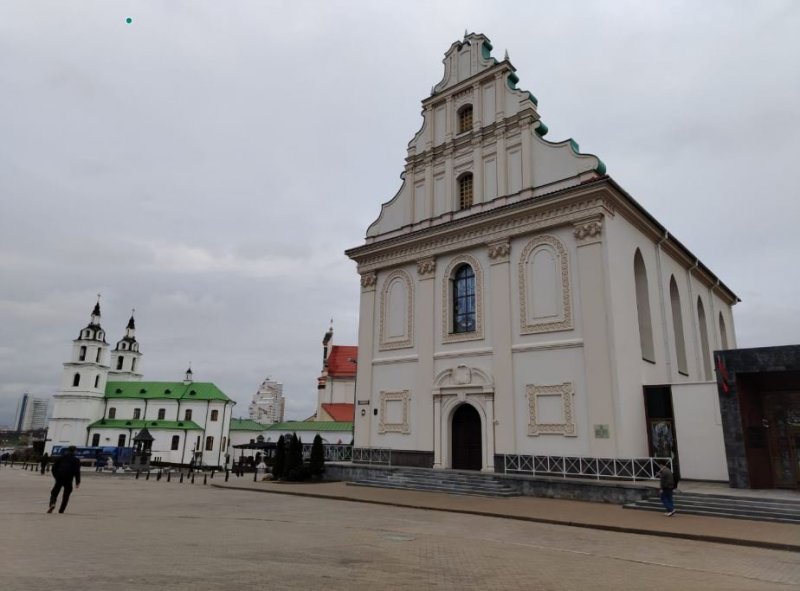
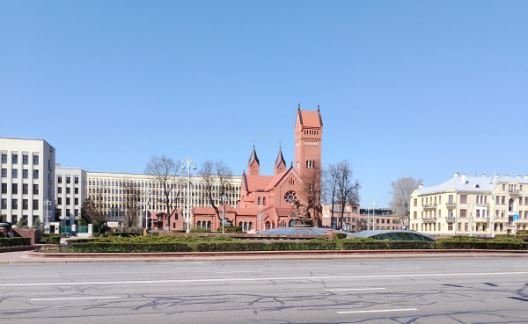
Our journey began in the heart of the city — Independence Square, where history meets symbols of sovereignty. Standing before us is the majestic Red Church, the Church of Saints Simon and Helena, built in the early 20th century. Its Gothic towers stretch skyward, as if reaching for freedom. Nearby, the strict symmetry of the Government House brings contrast and harmony. There’s something precise and complete in this architectural composition — cities aren’t built this way by accident.
Source: News.Az
The weather was sunny, the sky endlessly blue. On days like this, Minsk reveals its most expressive self. Wide avenues draw you in — deeper into the city and into its soul.
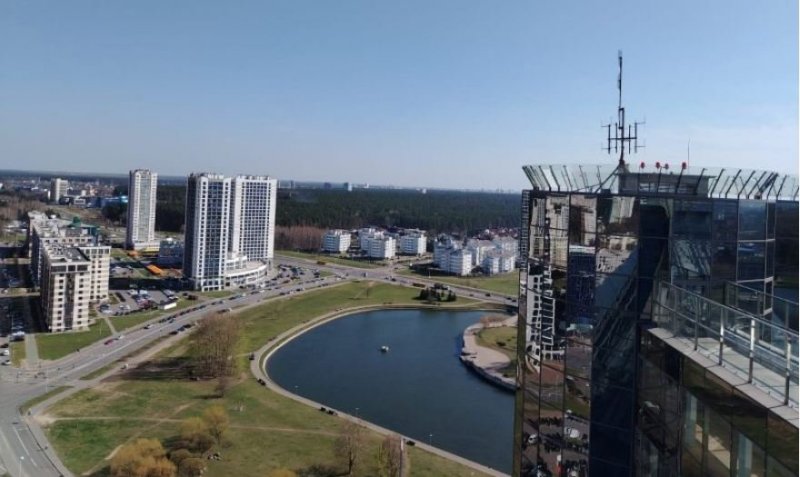
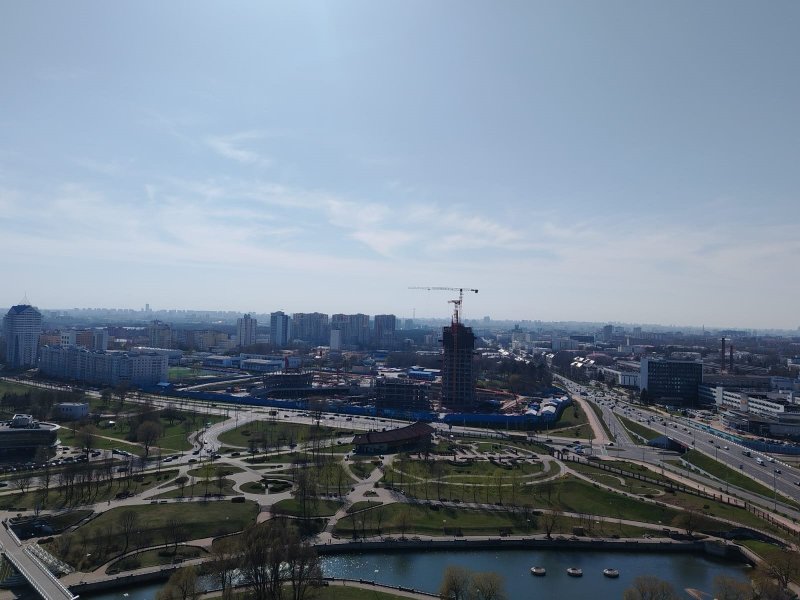
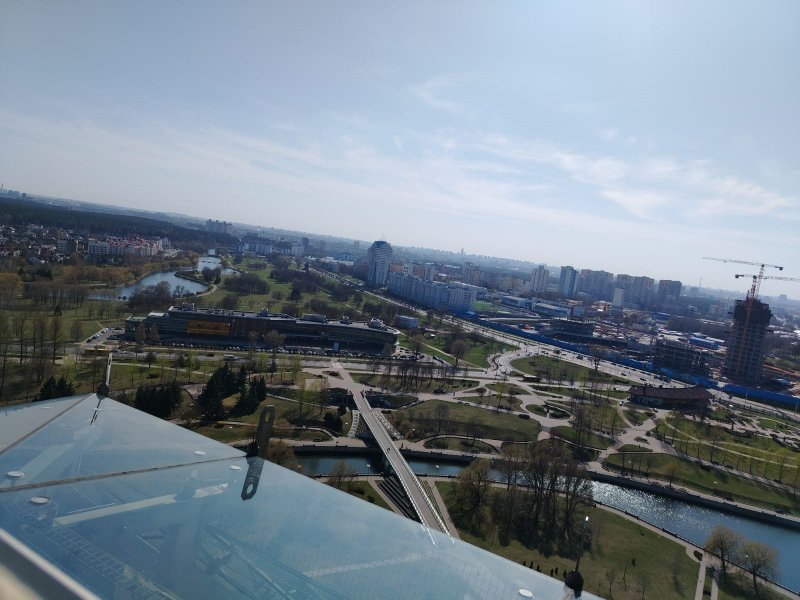
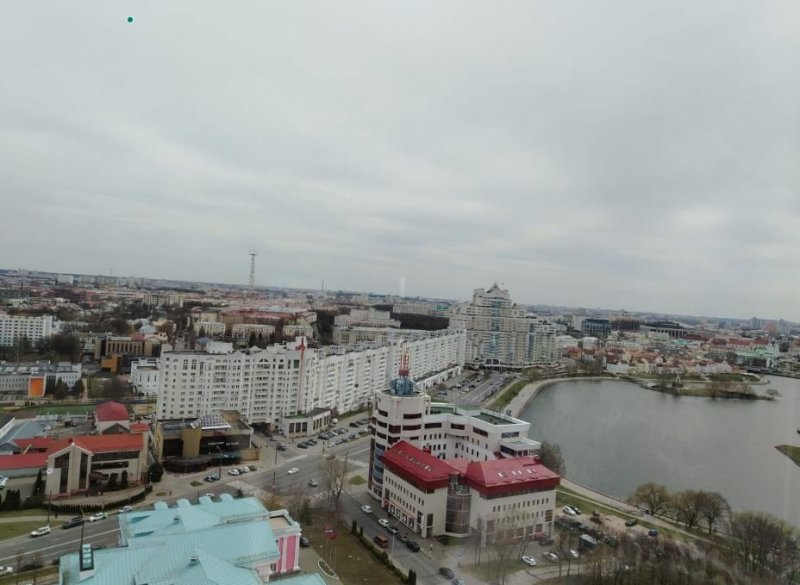
Next, we captured a panoramic view of modern Minsk. We climbed one of the city’s high-rises, from which the view was breathtaking: neatly planned roads, looping interchanges, green park islands, and serene bodies of water. In the distance — cranes and construction sites, signs of what’s to come. The city is alive. It’s growing — steadily and without chaos.
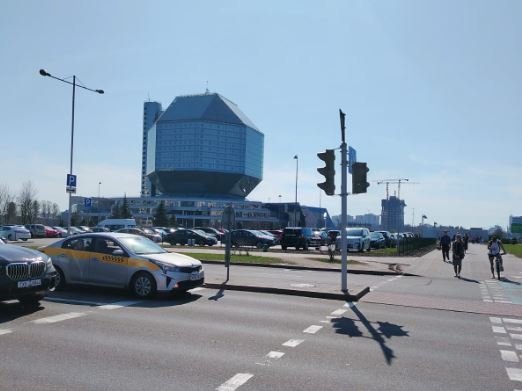
On the horizon stands the National Library of Belarus — a landmark of the new Minsk. Its rhombicuboctahedron shape symbolizes knowledge, precision, and modernity. Among glass and light, a new cultural identity is taking shape. Life bustles around the library: cars, bicycles, pedestrians, taxis with yellow stripes — everything moves with clarity, free of haste.
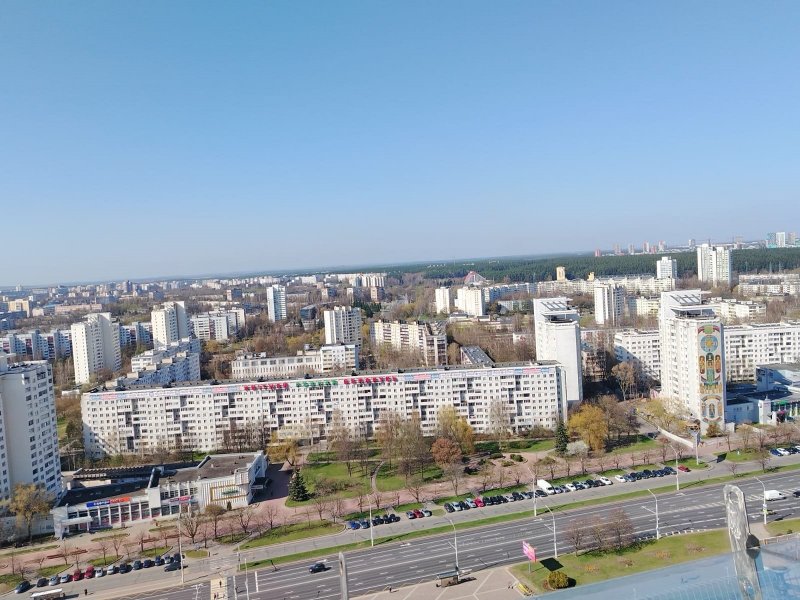
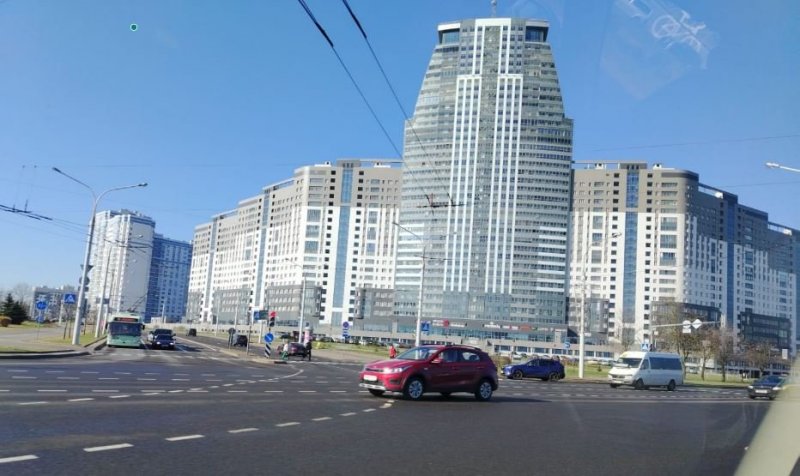
We continued our route into the residential districts. Soviet-era panel buildings stand side by side with new high-rises adorned with murals, frescos, and decorative elements. Remarkably, even the high-density areas of Minsk feel welcoming: tidy courtyards, clean facades, and minimal visual noise.
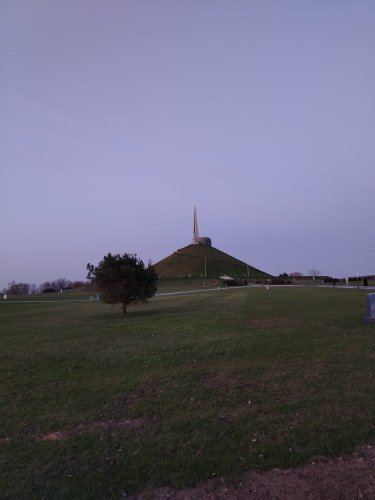
One of the most inspiring places we visited was the Mound of Glory. Located just outside the city, this massive memorial complex is both grand and humbling. A vast green hill crowned with bayonets speaks to the greatness of sacrifice and the depth of memory. Out in the open air, you can almost feel the breath of history. People come not only to remember, but to feel a connection between generations.
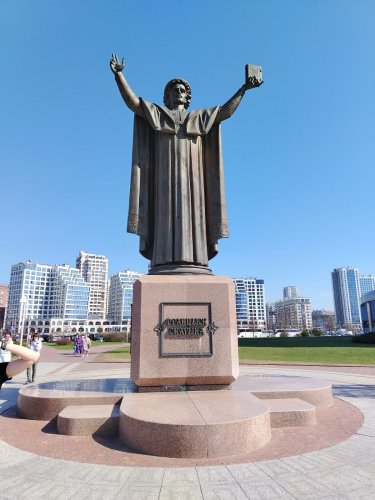
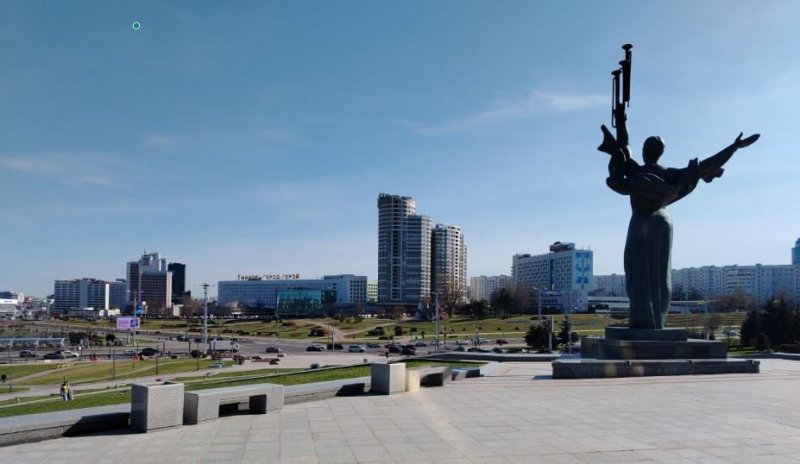
Back in the city center, we paused at the monument to Francysk Skaryna — a pioneering printer, humanist, and symbol of Belarusian culture. His figure stands as both guardian and teacher of the capital. Framed by modern apartment complexes and glass towers, he appears even more striking — a living dialogue between tradition and progress.
Source: News.Az
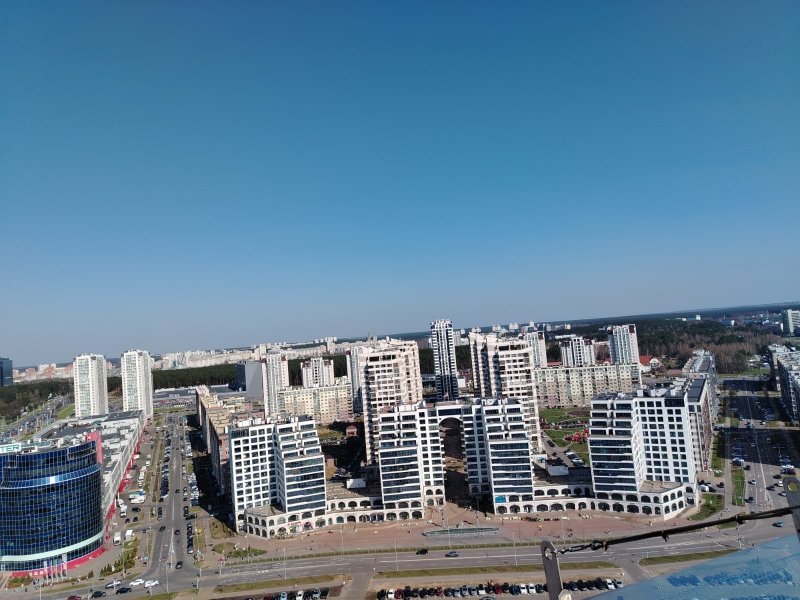
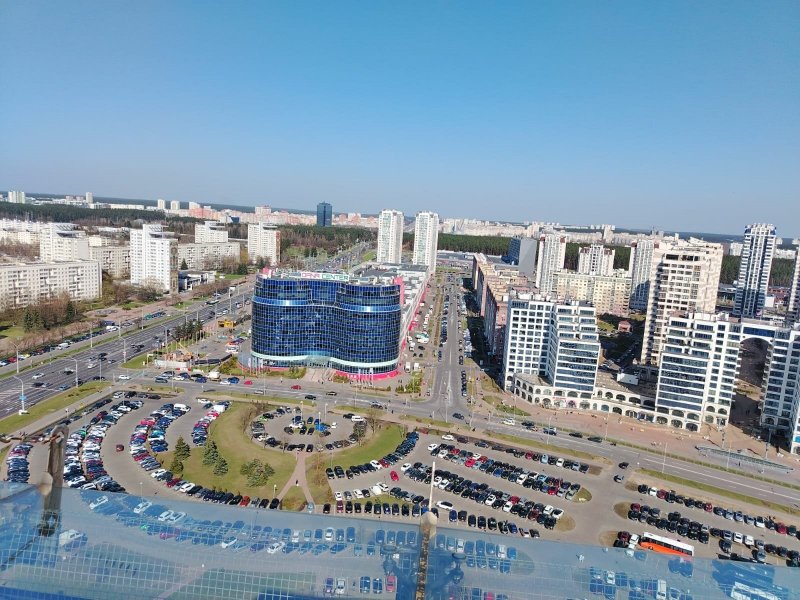
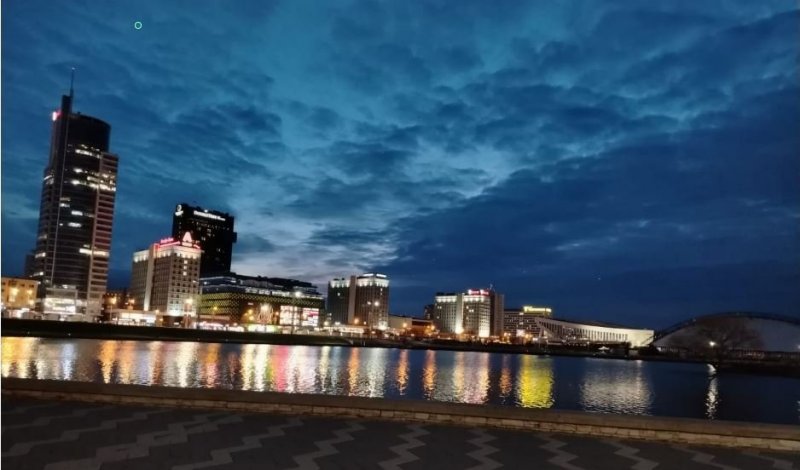
And finally, a bird’s-eye view: Minsk’s new districts look as if they were drawn by architects of the future. Broad avenues, circular parks, glassy skyscrapers reflected in lakes. You can feel the rhythm of the 21st century — dynamic but not aggressive. This city doesn’t chase trends. It walks its own path with quiet confidence. And that’s where its strength lies.
Minsk is not a city of contrasts, as people often say about metropolises. It’s a city of balance. Clean, green, structured. A place where it’s easy to breathe. A capital that holds space for both memory and aspiration. A city that doesn’t shout — but one you’ll want to stay in, and certainly come back to.
Source: News.Az


Similar news