New conflict: Afghan-Pakistani dispute heats up


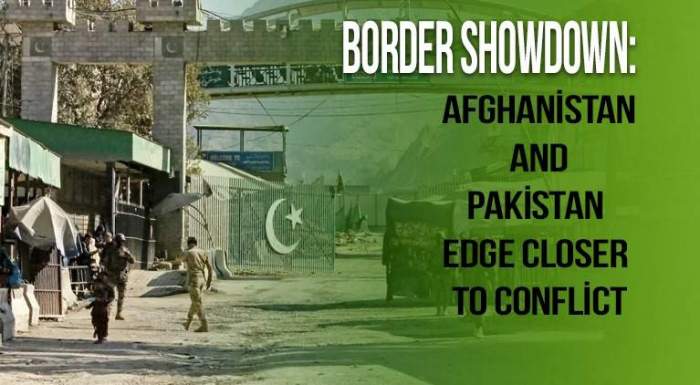
Photo: News.Az
The first days of 2025 saw a dramatic escalation in the longstanding border dispute between Afghanistan and Pakistan—tensions that had been simmering since December 2024 exploded into armed conflict at the start of the new year. The Pakistani Air Force conducted airstrikes in Afghanistan’s border province of Khost, prompting a retaliatory strike from Afghan forces.
According to official reports from Kabul, 19 Pakistani soldiers were killed in the counterattack.
In response to additional airstrikes on the Afghan province of Paktika, Islamabad claimed the targets were camps belonging to the Pakistani Taliban (TTP). The outbreak of violence has forced numerous families to flee their homes, compounding an already precarious humanitarian situation.
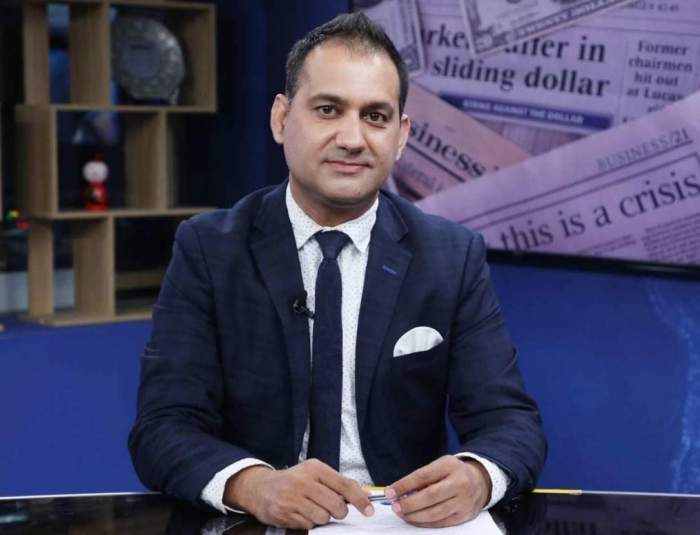
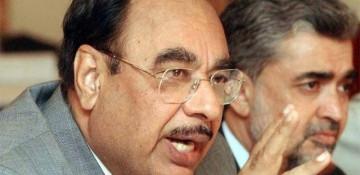
To understand the core causes of this renewed confrontation—and how far both sides might be willing to escalate—News.az turned to Dr. Yasir Masood, a prominent Pakistani political commentator, broadcast journalist, and strategic communication expert who frequently provides insights on international relations for global media outlets and think tanks.
“Pakistan has repeatedly presented evidence to the Afghan Taliban indicating that groups like the Tehrik-i-Taliban Pakistan (TTP) are using Afghan territory to launch attacks into Pakistan, undermining both its social fabric and military security,” Dr. Masood explains. He also notes that major powers are monitoring the situation. “This is particularly concerning in regions where Chinese projects are underway, sowing mistrust between Pakistan and China over potential security threats. Despite Pakistan’s demands, officials in Islamabad believe the Afghan authorities have not taken sufficient steps to dismantle these militant groups, prompting Pakistan to launch cross-border airstrikes on suspected TTP bases.”
The Durand Line—the internationally recognized boundary spanning approximately 2,600 kilometers between Pakistan and Afghanistan—remains a core point of friction. “Pakistan has been erecting fences and tightening security along the border to stem unauthorized crossings and militant infiltration,” Dr. Masood says. “However, Afghan authorities often object to these measures, exacerbating diplomatic strains.”
Initially, Pakistan viewed the Taliban’s return to power in Afghanistan as a potential stabilizing factor. “But Islamabad now worries that the Afghan Taliban’s ideological affinity with groups like the TTP is fueling militancy across the border, threatening Pakistan’s internal security,” Dr. Masood observes.
Years of instability in Afghanistan have led to grave economic challenges and another wave of refugees into Pakistan, which has already accommodated close to four million Afghan refugees over the past four decades. “Pakistan believes these influxes strain its resources and infrastructure, and it seeks greater cooperation from Kabul and the international community to mitigate these pressures,” Dr. Masood adds.
Ultimately, Dr. Masood concludes that the latest flare-up stems from unresolved security concerns—especially cross-border terrorism—along with differing views on border management and apprehensions over how Taliban governance may shape regional stability. As the situation evolves, many observers caution that the risk of further escalation remains high unless these core issues are addressed through diplomatic channels and broader international engagement.
According to official reports from Kabul, 19 Pakistani soldiers were killed in the counterattack.
In response to additional airstrikes on the Afghan province of Paktika, Islamabad claimed the targets were camps belonging to the Pakistani Taliban (TTP). The outbreak of violence has forced numerous families to flee their homes, compounding an already precarious humanitarian situation.
To understand the core causes of this renewed confrontation—and how far both sides might be willing to escalate—News.az turned to Dr. Yasir Masood, a prominent Pakistani political commentator, broadcast journalist, and strategic communication expert who frequently provides insights on international relations for global media outlets and think tanks.
“Pakistan has repeatedly presented evidence to the Afghan Taliban indicating that groups like the Tehrik-i-Taliban Pakistan (TTP) are using Afghan territory to launch attacks into Pakistan, undermining both its social fabric and military security,” Dr. Masood explains. He also notes that major powers are monitoring the situation. “This is particularly concerning in regions where Chinese projects are underway, sowing mistrust between Pakistan and China over potential security threats. Despite Pakistan’s demands, officials in Islamabad believe the Afghan authorities have not taken sufficient steps to dismantle these militant groups, prompting Pakistan to launch cross-border airstrikes on suspected TTP bases.”
The Durand Line—the internationally recognized boundary spanning approximately 2,600 kilometers between Pakistan and Afghanistan—remains a core point of friction. “Pakistan has been erecting fences and tightening security along the border to stem unauthorized crossings and militant infiltration,” Dr. Masood says. “However, Afghan authorities often object to these measures, exacerbating diplomatic strains.”
Initially, Pakistan viewed the Taliban’s return to power in Afghanistan as a potential stabilizing factor. “But Islamabad now worries that the Afghan Taliban’s ideological affinity with groups like the TTP is fueling militancy across the border, threatening Pakistan’s internal security,” Dr. Masood observes.
Years of instability in Afghanistan have led to grave economic challenges and another wave of refugees into Pakistan, which has already accommodated close to four million Afghan refugees over the past four decades. “Pakistan believes these influxes strain its resources and infrastructure, and it seeks greater cooperation from Kabul and the international community to mitigate these pressures,” Dr. Masood adds.
Ultimately, Dr. Masood concludes that the latest flare-up stems from unresolved security concerns—especially cross-border terrorism—along with differing views on border management and apprehensions over how Taliban governance may shape regional stability. As the situation evolves, many observers caution that the risk of further escalation remains high unless these core issues are addressed through diplomatic channels and broader international engagement.


Similar news