Mahda: Zelenskyy’s letter showed the West who rejects peace


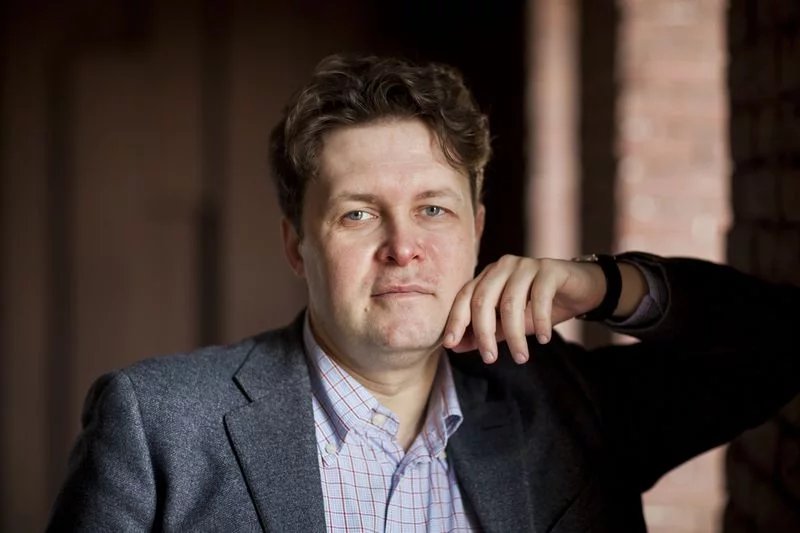
Ukrainian political scientist and Director of the Institute of World Policy, Yevhen Mahda, believes that Ukrainian President Volodymyr Zelenskyy’s letter to Russian President Vladimir Putin was a carefully calculated political and diplomatic move.
In his view, the Ukrainian leader presented the Russian side with a substantive document proposing a transition to direct negotiations. Such written appeals are rarely used in modern international relations, which, he said, made the very fact of the letter politically significant, News.Az reports.
Mahda believes that Kyiv did not initially expect a positive response from Moscow. According to him, the main purpose of the initiative was to demonstrate Ukraine’s readiness for negotiations while also formally recording Russia’s refusal to engage in the proposed dialogue.
The expert noted that Putin does not regard Zelenskyy as an equal negotiating partner. In Mahda’s assessment, the Russian leadership similarly does not view Ukraine as an equal sovereign actor in international relations. Instead, Moscow continues to treat the neighbouring country primarily as an object of military and political pressure.
RECOMMENDED STORIES
The political analyst also drew attention to the scale of losses resulting from the ongoing hostilities. He referred to Zelenskyy’s statement that tens of thousands of Russian servicemen had been killed or wounded in a single month. According to Mahda, even taking into account Russia’s larger population, such a rate of losses should be a serious cause for concern for the Russian leadership.
Mahda believes that Zelenskyy’s letter was addressed not only to Moscow but also to Ukraine’s Western partners. Its purpose, in his view, was to show that Kyiv is offering a political pathway towards settlement, while the Russian leadership has so far failed to demonstrate genuine readiness for meaningful agreements.
According to the expert, Western governments should take this signal into account when shaping their future policy towards Moscow. He argues that attempts to engage the Russian leadership solely through diplomatic appeals have not produced the desired results. Therefore, the West should adopt a more consistent and tougher approach, increase pressure on the Kremlin, and continue supporting Ukraine.
Mahda stressed that, after everything that has happened, a return to the previous model of relations between Russia and Western countries appears highly unlikely. In his opinion, the scale of the war, the human losses, and the destruction caused make it impossible to regard Putin as a conventional or predictable partner on the international stage.


Similar news