Orbán сhallenges western strategy: calls for ceasefire to accelerate peace talks


Editor's note: Kohán Mátyás, Deputy Editor at Mandiner.hu, a Hungarian expert.
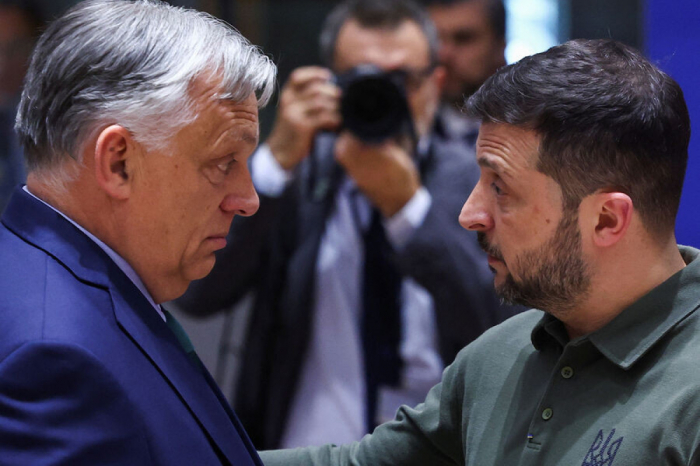
During his first visit to Kyiv since the beginning of the war in Ukraine, Hungarian Prime Minister Viktor Orbán proposed to Ukrainian President Volodymyr Zelensky to consider the possibility of a temporary ceasefire. Speaking at a joint press conference with Zelensky on Tuesday, July 2, Orbán noted that Budapest appreciates Kyiv's initiatives aimed at achieving peace but believes that their implementation will take a long time. "Therefore, I asked Mr. President to consider whether it might be possible to proceed a little differently: ceasefire first, and then negotiations with Russia, as a ceasefire would accelerate the pace of these negotiations," Orbán said.Zelensky responded to the Hungarian Prime Minister that his country needs a "just peace." "We appreciate that your visit comes immediately after Hungary's presidency in the European Union. This is a clear testament to our shared European priorities and the importance of ensuring a just peace in Ukraine," the Ukrainian leader said at the press conference. At the same time, Zelensky urged European countries to maintain military aid to his country to defend against Russian aggression. "It is very important for all of us in Europe that European support for Ukraine remains at a sufficient level," he emphasized.
This is not the first time Viktor Orbán has recommended a ceasefire between Russia and Ukraine, but it is the first time he had the chance to discuss his proposal for ending the war with President Zelensky. The gist of the Hungarian proposal is simple: it does not concur with the widely held Western idea that a ceasefire necessarily means ceding the currently occupied Ukrainian territories to Russia. Therefore, with this in mind, Hungary advocates for a shift in the order of strategic steps. The order Ukraine currently follows is that it’s trying to regain its territorial integrity on the battlefield first, with a ceasefire and peace negotiations only presumed to start after Ukraine’s integrity has been restored. The last 1.5 years, characterized by little movement on the frontline in general and no Ukrainian advances to speak of, have proven this order to be ineffective. Ukraine and its allies clearly lack the military prowess necessary to return control over all sovereign Ukrainian territory to Kyiv.
The order Hungary recommends is implementing an unconditional ceasefire first and then entering peace negotiations, where Ukraine might regain more territory through diplomatic efforts than it would be able to liberate militarily. Zelensky did not accept this recommendation, but that is hardly a surprise. The completely unrealistic goal of “victory,” understood as the liberation of all currently occupied Ukrainian lands, is the platform President Zelensky runs on in Ukrainian domestic politics. Although public polling in Ukraine shows that support for a continued fight is declining among Ukrainians, Zelensky still considers a ceasefire too risky from a domestic political point of view. Outside of Ukraine, all the countries that are funding and arming Kyiv share the American position that Ukraine is protecting the “rules-based international order,” which precludes annexation of foreign territory by force. Ukraine’s allies push Ukraine to fight in order not to set a dangerous precedent. Orbán’s proposal is feasible considering the reality on the battlefield, but it is still untenable for Ukraine’s leadership both in its domestic political arena as well as among its supporters. As long as the Zelensky government prioritizes its own political survival and the goodwill of its allies over the necessary steps to be taken in light of the balance of power on the battlefield, Orbán’s advice is set to go unheeded.
Orbán's visit to Kyiv is particularly significant given the current geopolitical climate and the delicate balance of international relations in Europe. The Hungarian Prime Minister's proposal comes at a time when the European Union is grappling with internal divisions and external pressures, with the war in Ukraine serving as a focal point for broader strategic concerns. Hungary's unique position, often seen as a bridge between Western Europe and Russia, lends additional weight to Orbán's suggestions. His advocacy for a ceasefire first approach aligns with Hungary's broader foreign policy, which emphasizes pragmatic engagement and stability over ideological commitments.
Zelensky, on the other hand, is navigating a complex political landscape where any perceived concession to Russia could undermine his administration's credibility and popular support. The Ukrainian president is acutely aware that his political survival hinges on maintaining a firm stance against Russian aggression while securing continuous support from Western allies. This tightrope walk requires balancing domestic expectations with international diplomatic realities, a task made even more challenging by the fluid dynamics of the war.
The broader international response to Orbán's proposal also highlights the divergent perspectives within the global community regarding the best path forward in the Ukraine conflict. While some European nations might be sympathetic to Hungary's call for a ceasefire to hasten peace negotiations, others remain staunchly supportive of Ukraine's right to defend its sovereignty by all available means. The United States, in particular, has been a vocal advocate for sustained military aid to Ukraine, viewing the conflict through the lens of upholding international norms and deterring future acts of aggression by other states.
In this context, Orbán's visit and his proposal for a ceasefire serve as a reminder of the multifaceted nature of the Ukraine conflict, where military, political, and diplomatic dimensions are deeply intertwined. The discussions in Kyiv underscore the ongoing challenges in finding a resolution that satisfies the diverse interests of the parties involved while ensuring a just and lasting peace for Ukraine. As the war continues to evolve, the international community's approach will need to adapt, balancing immediate humanitarian concerns with long-term strategic objectives.
Ultimately, the path to peace in Ukraine will require a concerted effort from all stakeholders, recognizing the complexities and sensitivities that define this conflict. Orbán's initiative, while unlikely to be immediately adopted, contributes to the broader dialogue on how best to achieve a resolution that respects Ukraine's sovereignty and addresses the legitimate security concerns of the region. As the situation on the ground develops, continued diplomatic engagement, backed by a clear-eyed assessment of the realities of the conflict, will be essential in steering towards a sustainable peace.
(If you possess specialized knowledge and wish to contribute, please reach out to us at opinions@news.az).


Similar news