Playing by new rules: Azerbaijan sets conditions for the UN


Editor's note: Seymur Mammadov, a special commentator for News.Az, is the director of the international expert club EurAsiaAz. The article expresses the personal opinion of the author and may not coincide with the view of News.Az.
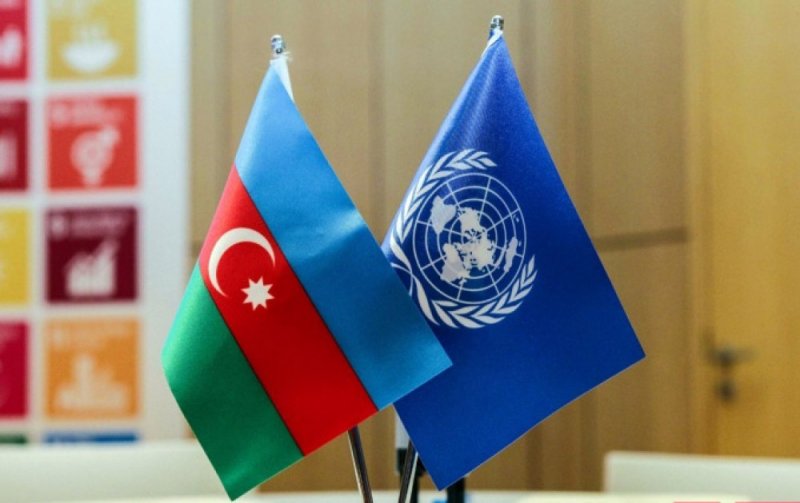
Azerbaijan has taken a bold step in redefining its relationship with the United Nations—a move that is both timely and necessary. As the country marked 33 years of membership in the organization, Baku’s decision to reassess its ties reflects a broader frustration with the UN’s growing ineffectiveness and a recognition of Azerbaijan’s own rising stature on the global stage.
Over the past three decades, Azerbaijan has transformed from an aid recipient into a mid-level power with significant capabilities. It is now capable of sustaining itself and even providing donor assistance to other countries through the UN. In this context, Foreign Minister Jeyhun Bayramov’s recent meeting with Guie-Eop Son, the UN Regional Director for Europe and Central Asia, was less about gratitude for past support and more about signaling a shift in priorities.
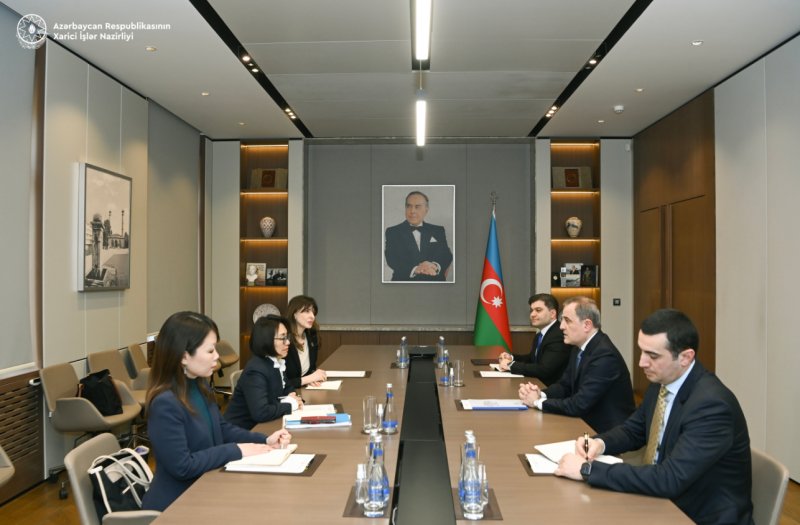
Source: Azerbaijani MFA
Minister Bayramov was polite but clear: Azerbaijan is realigning its cooperation with the UN based on national priorities and a more efficient use of resources. The emphasis will be on project-based partnerships with key UN bodies like UN-Habitat, the UN Environment Programme (UNEP), and the Secretariat of the UN Framework Convention on Climate Change. This shift is not about breaking ties but about updating an outdated framework that no longer serves Azerbaijan's interests.
The rationale is straightforward. Azerbaijan no longer needs humanitarian aid from the UN; it has become a donor itself. The issue of refugees, a major concern for decades, has been resolved domestically. The country is self-sufficient in addressing population and food security challenges without international intervention. Baku is now focused on initiating its own donor programs and engaging directly with the UN’s central bodies, bypassing the need for intermediary offices in the capital.
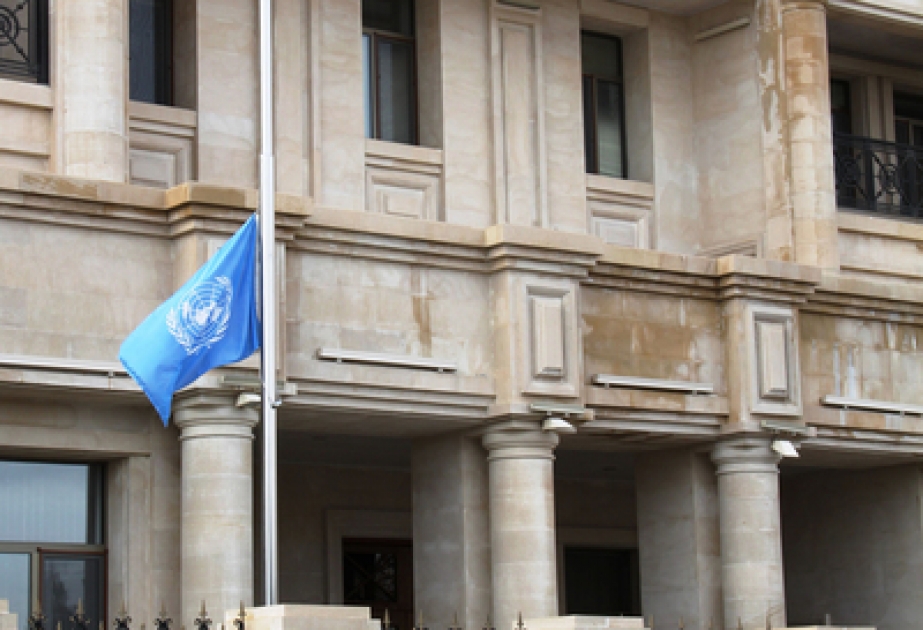
It is telling that Baku is considering closing down or restructuring the offices of several UN programs, including the United Nations Development Programme (UNDP), the United Nations Population Fund (UNFPA), and the United Nations High Commissioner for Refugees (UNHCR). According to sources, these offices might either shut down entirely or be forced to align their grant activities with Azerbaijani legislation.
The alleged irregularities in UNDP’s grant distribution raise serious questions. Reports suggest that in 2023 alone, UNDP provided grants totaling $754,570 to 23 Azerbaijani NGOs for 29 projects. However, these funds were reportedly transferred not to the NGOs directly but to accounts of commercial entities they created—or even to personal accounts of employees. None of these grants were registered with Azerbaijan’s Ministry of Justice, a clear violation of the country’s laws.
If these allegations are true, Baku’s move is not just justified—it is imperative. Azerbaijan has every right to demand accountability and transparency, especially when international organizations operate on its soil. If the sole function of these UN offices has been to distribute unregistered grants, then Baku’s decision to reconsider their presence is both reasonable and overdue.
Source: AzerTAG
This episode highlights a larger issue: the UN’s growing irrelevance and the urgent need for reform. The UN Security Council, in particular, has long been criticized for its inability to act decisively, often serving as a battleground for geopolitical rivalries rather than a platform for resolving them. Azerbaijani President Ilham Aliyev’s remarks at the Baku Conference of the Parliamentary Network of the Non-Aligned Movement struck a chord: “Why are some Security Council resolutions enforced within days, while others remain unimplemented for 28 years?” His question exposes a fundamental flaw in the current UN system.
The Security Council's structure is a relic of a bygone era, with the five permanent members—China, France, Russia, the United Kingdom, and the United States—wielding disproportionate power. Turkish President Recep Tayyip Erdogan’s assertion that “the world is bigger than five” captures a growing sentiment among mid-level powers like Azerbaijan that the UN’s decision-making process is neither fair nor effective.
The International Committee of the Red Cross (ICRC) has also come under scrutiny. During the Armenian occupation, the ICRC office in Baku reportedly allowed the illegal operation of a “Karabakh office” in Khankendi, which was subordinate to the Yerevan office. Despite repeated complaints from Baku to both the Geneva headquarters and the ICRC’s Azerbaijani representation, the issue was never resolved. Now that the conflict is over, there seems to be little justification for the ICRC’s continued presence in Azerbaijan.

Source: TREND
The ICRC office in Baku has confirmed that it is in talks with the Azerbaijani government regarding its potential closure. The outcome remains uncertain, but the very fact that such discussions are happening underscores the growing dissatisfaction with international organizations that have failed to address Azerbaijani concerns fairly. Azerbaijan's reassessment of its ties with the UN is a warning shot—one that should not be ignored. The credibility of the UN is already eroding, and its failure to reform risks rendering it obsolete. If mid-level powers like Azerbaijan begin to look elsewhere for partnerships and solutions, the UN’s role as a global arbitrator will become increasingly redundant.
Until the UN addresses these systemic issues and reforms its outdated structure, Azerbaijan’s stance will likely remain unchanged. The message is clear: international organizations must adapt to new global realities, or risk becoming irrelevant.
(If you possess specialized knowledge and wish to contribute, please reach out to us at opinions@news.az).


Similar news