Putin-Trump phone call: What’s on the negotiation table? - INTERVIEW


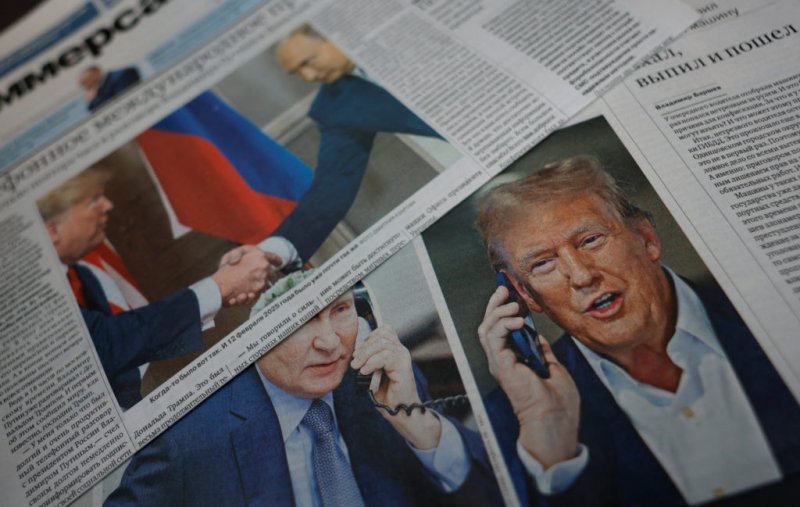
The recent phone call between the presidents of Russia Vladimir Putin and the United States Donald Trump has sparked widespread discussion regarding its potential impact on global stability.
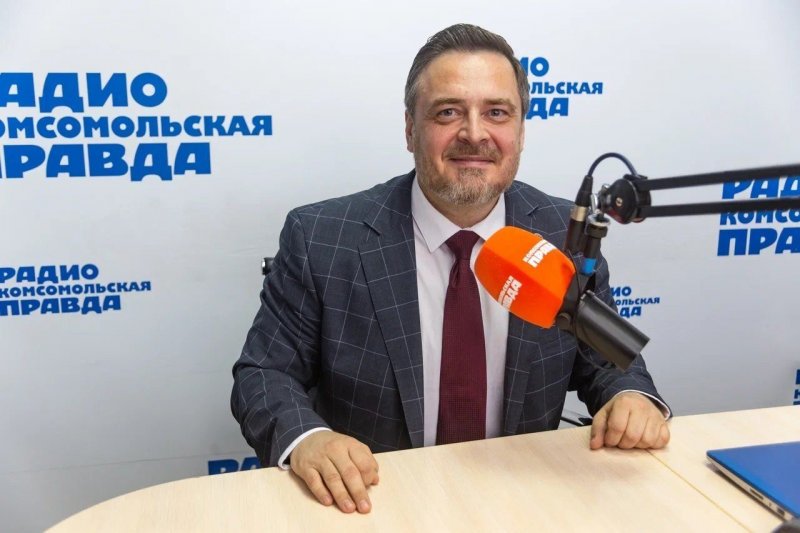
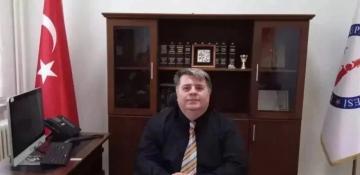
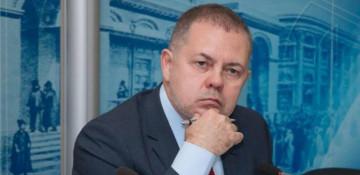
In this exclusive interview with News.Az, Pavel Klachkov, Director of the branch of the Financial University under the Government of the Russian Federation, shares his insights on the significance of the negotiations, the mechanisms of control over the ceasefire, the feasibility of halting foreign military aid to Ukraine, and the future of Russia-U.S. relations. Putin's first phone conversation with Trump took place on February 12, approximately three weeks after Trump assumed office as U.S. president. During the 1.5-hour discussion, they agreed to maintain contact and arrange a personal meeting, according to Russian presidential spokesperson Dmitry Peskov.
-How would you comment on the results of the phone negotiations between the presidents of Russia and the United States?
-I consider this a major breakthrough—a real step onto the main highway of negotiations. However, it is crucial to understand that such processes do not happen overnight; the world cannot be changed in a single day. Nevertheless, negotiations between the United States and Russia have the potential to shape global developments in the long term, though this will undoubtedly take time.
In my view, these talks have been highly successful. President Putin is conducting them with dignity, without compromising Russia’s interests. The entire Russian population is closely following the progress of these negotiations, and there is unanimous trust in our Supreme Commander-in-Chief. His policy in this direction enjoys full support from both society and the expert community. I see powerful momentum here, and if the process continues in the same spirit, we will move closer to achieving a just peace.
- What are the specific control mechanisms that Russia proposes to ensure compliance with the 30-day ceasefire, and what guarantees are in place to prevent Kyiv from violating the agreement?
-The control mechanism is one of the key issues at hand. In my opinion, the current regime in Kyiv is entirely incapable of ensuring effective control. Engaging with them is problematic and ineffective, as trust in these politicians has long been lost—not only in Russia but also in the United States.
Source: Reuters
Therefore, alternative solutions must be explored. We need to forge new pathways and bring to the forefront more reasonable politicians who are not tainted by the crimes of the Kyiv regime. Control mechanisms must be clearly outlined in the course of negotiations between Russia and the U.S.
Of course, outgoing European politicians are trying to obstruct the process, clinging to their positions and throwing obstacles in the way of peaceful settlement efforts. However, their influence is fleeting—the winds of history will sweep them away. The issue of control mechanisms remains unresolved, but I am confident that Russia and the U.S., through joint efforts, will find a solution, although it may not be immediate.
- How realistic is it to halt foreign military aid to Ukraine under the current circumstances?
-At first glance, halting military assistance to Ukraine seems unrealistic because people have become accustomed to this status quo. It appears to be as inevitable as the change of seasons: winter brings snow, spring brings sunshine, and Europeans and Ukrainians continuously demand more weapons, financial aid, and resources to fuel the flames of war.
This is a critical issue in the negotiations. Reducing such assistance is essential for achieving peace. The types and volumes of aid must be reconsidered. It is evident that this support only exacerbates the conflict, provoking new acts of aggression by Ukraine. Just last night, there was an attack on the Belgorod region. The moment they receive military aid, they use it to escalate hostilities. Without this support, perhaps the situation would be different, and fewer lives would be lost.
The question of ending military aid will be addressed in future rounds of negotiations. The approach must be pragmatic: providing such support only encourages further attacks, which clearly does not contribute to peace.
-How do the leaders of Russia and the United States envision the future of bilateral relations, given their special responsibility for global security? What steps could lead to their normalization?
- Today, the United States has a more pragmatic leadership. I am not suggesting that it is pro-Russian or that it prioritizes Russia’s interests, but at the very least, it objectively assesses the real picture of global affairs. These leaders are not ideologues; they are pragmatists.

Source: BBC
They understand that Russia is a great nation and that no number of Ukrainians, Poles, or Germans can defeat it. Attempts to attack Russia will only lead to more casualties—among Ukrainians and Poles alike. Rational American leaders recognize that Russia is an undeniable reality with which they must reckon. They understand that Russia has its own interests, traditions, and place in the global system.
It is encouraging to see that cultural and sports ties are being maintained even in these difficult times. For example, the plans to hold a hockey match between Russian and American teams remind us that even at the height of the Cold War, such events continued. They symbolized mutual respect and the shared understanding that a global nuclear catastrophe must be avoided.
If the Western world is to be saved, it will be thanks to Trump and his supporters. They have finally realized that Russia is a country with a thousand-year history and culture. The attempts to cancel Russian culture and the relentless calls for war that we saw under Biden—actions that some Europeans still support—are ultimately self-destructive. Trump, on the other hand, is a realist who operates within the framework of the real world. Russia is willing to negotiate with such a leader.


Similar news