South Caucasus and Central Asia: A new perspective on cooperation


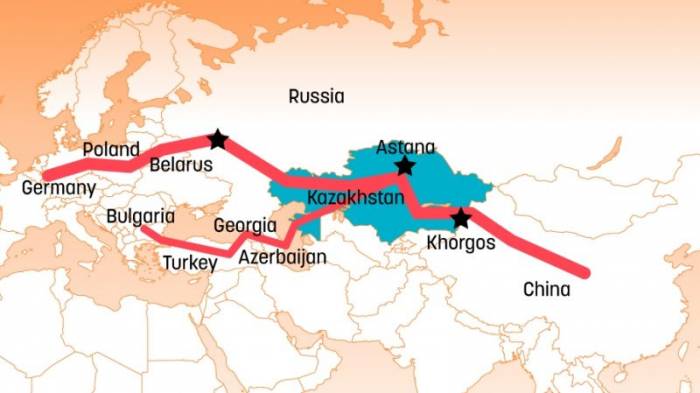
Central Asia to the South Caucasus: Newfound Connectivity Relevance of the Middle Corridor
Editor's note: Sagadi Kisikov (Kazakhstan) – Expert in international politics, global governance, and business administration. He is a Research Fellow at the “International School of Economics” in the International Relations Program at Maqsut Narikbayev University (Astana). His research focuses on Kazakhstan’s foreign policy and the activities of international and regional organizations in Central Asia. He works at the Heartland Expert-Analytical Center .
The South Caucasus remains one of the most geopolitically sensitive regions in the world. Situated at the crossroads of Europe, Asia, and the Middle East, it has historically been a focal point of rivalry among global powers.Today, unresolved conflicts such as Abkhazia, and South Ossetia perpetuate instability, making the region a stage for external interventions and regional power plays.
Russia, with its historic influence, maintains a dominant position in the South Caucasus, acting as both mediator and power broker. Its dual strategy combines military presence, such as bases in Armenia, with political maneuvers, including support for separatist movements. This approach serves multiple objectives: it secures Russia’s influence, counters NATO’s eastward expansion, and maintains leverage over regional actors. However, Moscow’s methods often exacerbate existing tensions, making lasting peace elusive.
At the same time, Türkiye is positioning itself as a counterbalance to Russian dominance. Through strategic partnerships with Azerbaijan and Georgia, Türkiye has championed projects like the Baku-Tbilisi-Ceyhan pipeline, which not only ensures energy security for Europe but also strengthens Ankara’s geopolitical presence. Türkiye’s NATO membership further amplifies its role as a stabilizing force in the region, though its interests often clash with those of Russia and Iran.
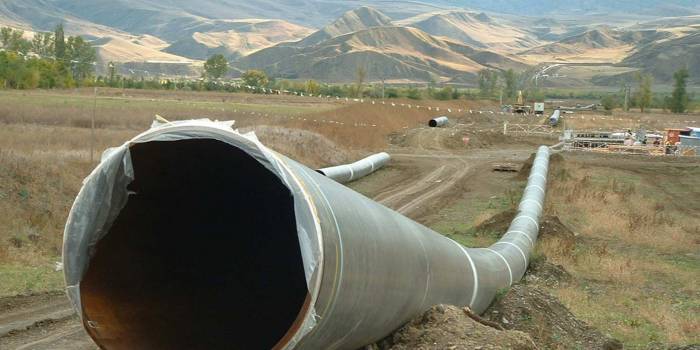
Piping for the BTC pipeline section in Azerbaijan.
Iran, for its part, occupies a precarious position. While it collaborates with Russia on many fronts, Tehran remains wary of Azerbaijani nationalism and Türkiye’s growing influence, which could inspire separatist sentiments within its own borders. This dynamic divides the region into two opposing alignments: the Russia-Iran axis and the Türkiye-Georgia-Azerbaijan partnership. Overcoming this polarization requires a fundamental shift from rivalry to cooperation—a challenging but necessary step for regional stability.
Beyond the South Caucasus, Iran’s nuclear ambitions and its role in Middle Eastern conflicts add another layer of complexity to regional security. The ongoing tensions between Iran and Israel, coupled with Iran’s growing influence in Iraq, Syria, and Lebanon, create ripple effects that extend into Central Asia and the Caucasus. These developments draw in external powers such as the United States, which seeks to counter Iran’s ambitions while maintaining its presence in the region.
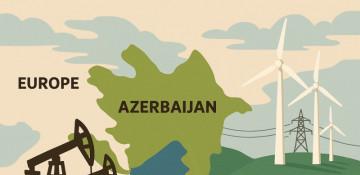
Energy routes are another critical factor. The South Caucasus and Central Asia are home to some of the world’s most vital oil and gas corridors. However, their strategic importance also makes them vulnerable to geopolitical tensions. Disruptions in these routes, whether due to conflict or economic competition, could have global consequences, particularly for Europe’s energy security.
In this context of heightened competition, countries in Central Asia and the Caucasus must adopt strategies that enhance their security while preserving sovereignty. Diversification of partnerships is crucial. Over-reliance on a single power—whether it be Russia, China, or the West—risks compromising national independence. Instead, a balanced approach, involving cooperation with multiple players, can help nations navigate this complex landscape.
The Belt and Road Initiative (BRI) offers significant opportunities for infrastructure development and economic growth, yet it also ties nations closer to China’s geopolitical ambitions. Similarly, collaboration with Russia through the Collective Security Treaty Organization (CSTO) provides military benefits but comes with strings attached. Meanwhile, Western engagement, particularly through NATO and the European Union, offers an alternative that aligns with principles of sovereignty and rule of law.
Economic diversification is another essential strategy. While energy resources are a cornerstone of many regional economies, their reliance on a few key transit routes makes them highly vulnerable. Developing alternative pipelines and investing in renewable energy can mitigate these risks. At the same time, fostering regional trade and infrastructure projects, such as the Trans-Caspian International Transport Route, can bolster economic resilience.
Neutral foreign policies, as exemplified by Turkmenistan, provide an additional model. By maintaining neutrality, countries can avoid entanglement in great-power rivalries, focusing instead on domestic development and multilateral diplomacy.
International organizations like the United Nations (UN) and the Organization for Security and Co-operation in Europe (OSCE) play a pivotal role in addressing security challenges in volatile regions. However, their effectiveness is often constrained by political and structural limitations. For instance, the UN Security Council’s veto system frequently impedes decisive action, while the OSCE’s reliance on consensus limits its ability to address urgent crises.
To complement these institutions, regional mechanisms must be strengthened. Initiatives such as the Shanghai Cooperation Organization (SCO) and the Eurasian Economic Union (EAEU) provide platforms for collaboration on issues ranging from counter-terrorism to trade. These efforts should be paired with hybrid mediation models that integrate international expertise with local leadership to address conflicts more effectively.
Kazakhstan exemplifies a pragmatic approach to regional diplomacy. Through its multi-vector foreign policy, the country actively engages with organizations like the Organization of Turkic States (OTS), focusing on cultural and economic cooperation. While some advocate for transforming the OTS into a military alliance, Kazakhstan has resisted such moves, prioritizing balanced relationships with all major powers.
This strategy not only enhances Kazakhstan’s international standing but also serves as a blueprint for other Central Asian nations seeking to navigate the complexities of regional politics without alienating key partners.
The South Caucasus and Central Asia stand at a crossroads. As global and regional powers vie for influence, the stakes for stability and prosperity have never been higher. Addressing these challenges requires a multifaceted approach: balancing external influences, fostering regional cooperation, diversifying economies, and strengthening governance.
By pursuing these strategies, the region can shift from being a battleground of competing interests to becoming a hub of stability and growth. This transformation will not only benefit the nations directly involved but also contribute to broader global security.
(If you possess specialized knowledge and wish to contribute, please reach out to us at opinions@news.az).


Similar news