Struggle for the South China Sea: Rising tensions between China and the Philippines


By News.Az
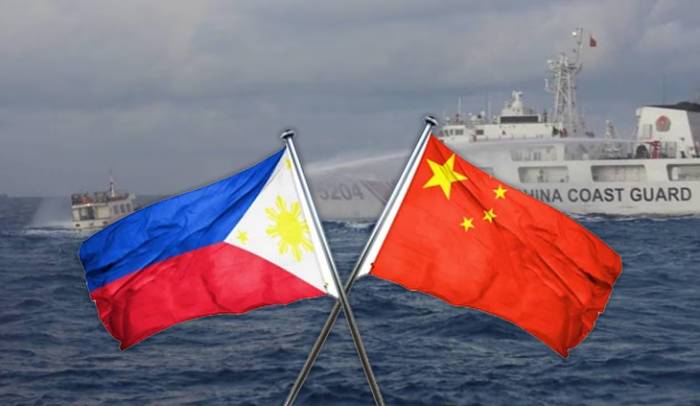
On August 19, 2024, the South China Sea grabbed the world’s attention once again as ships from China and the Philippines collided in yet another territorial dispute. This incident, like many before it, highlights just how tense and risky the situation has become in this strategically crucial region. With both nations vying for control, the potential for a larger conflict with global repercussions is becoming increasingly real.
As relations between these two countries have soured, the issue of territorial claims in the South China Sea has remained a major stumbling block. Despite numerous diplomatic efforts, each new incident, like the one on August 19, only serves to heighten tensions and increase the risk of conflict.
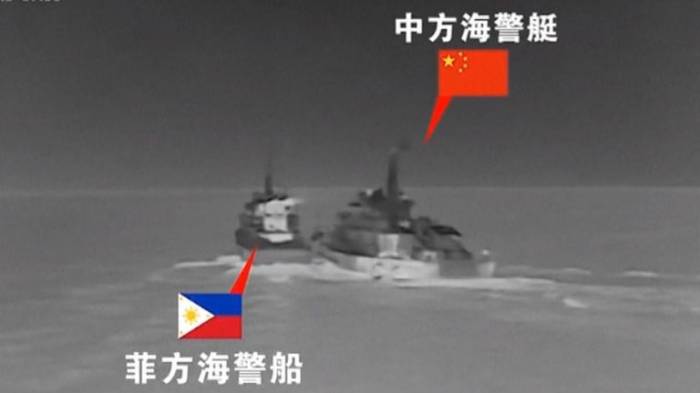
Incidents like the August 19 collision are a wake-up call for the international community. Back in the spring of 2024, U.S. Indo-Pacific Command’s Admiral John Aquilino, speaking in Sydney, called China’s actions in the South China Sea “dangerous, illegal, and destabilizing to the region.” His comments reflect growing concerns among the U.S. and its allies about China’s unilateral moves to tighten its grip on the area.
The situation has also led to more joint military activities in the region. In August 2024, the U.S., Philippines, Australia, and Canada conducted joint patrols in the contested waters, a move meant to send a clear message: they’re committed to upholding international law and opposing China’s attempts to change the status quo by force. However, Beijing saw this as a provocation, accusing the Philippines of “colluding with countries outside the region” to undermine China’s interests. This tension underscores just how delicate the balance of power is in the South China Sea, where even routine military exercises can be perceived as acts of aggression, raising the stakes even higher.
The international community’s involvement isn’t just about supporting smaller nations like the Philippines. It’s about defending the principles of sovereignty, non-coercion, and peaceful resolution of disputes, all of which are central to international law. The 2016 ruling by the Permanent Court of Arbitration, which rejected China’s extensive claims in the South China Sea, was supposed to be a victory for these principles. But China’s refusal to acknowledge the ruling and its continued militarization of the region have only made the situation more volatile. The South China Sea remains a potential flashpoint where a single misstep could lead to a broader conflict.
China and the Philippines share a long and complicated history, shaped by their geographical proximity and competing national interests. In the 1980s, during Ferdinand Marcos’s presidency, the two countries managed to maintain relatively friendly relations, despite underlying tensions over the South China Sea. This period saw diplomatic exchanges and economic cooperation, but the unresolved issue of territorial sovereignty was always lurking in the background.
A significant turning point came in 2012 with the standoff over Scarborough Shoal. The incident began when the Philippine Navy tried to arrest Chinese fishermen for illegal fishing, leading to a months-long standoff with Chinese maritime vessels. China eventually gained control of the shoal, significantly altering the regional power dynamics. This episode not only strained relations but also set the stage for future confrontations.
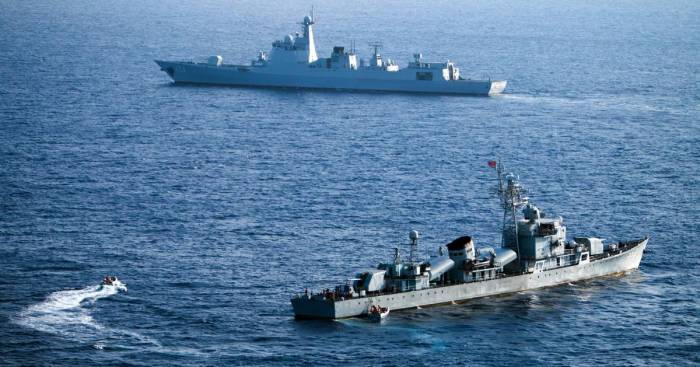
In 2016, the Philippines took its case to the Permanent Court of Arbitration, which ruled in its favor, declaring China’s claims to the South China Sea illegal. However, Beijing’s outright rejection of the ruling and its increased military presence in the area have only deepened the rift. The international community’s attempts to pressure China into compliance have so far failed, leaving the region on edge.
In recent years, the relationship between China and the Philippines has swung between cooperation and conflict. Under President Rodrigo Duterte, the Philippines initially sought closer ties with China, downplaying the South China Sea dispute in favor of economic engagement. Duterte’s shift towards Beijing was driven by the promise of Chinese investments and loans for his ambitious infrastructure projects. However, this approach has faced domestic backlash, especially as Chinese intrusions into Philippine-claimed waters have persisted.
The August 19 collision serves as a stark reminder that the South China Sea dispute cannot simply be set aside for the sake of economic gains. The incident exposes the contradictions in Duterte’s foreign policy, which tries to balance the benefits of closer ties with China against the need to defend national sovereignty.
As the Philippines prepares for new leadership in 2025, the incoming administration will inherit the challenge of navigating this complex and potentially explosive issue.
The South China Sea dispute is further complicated by the broader geopolitical rivalry between China and the United States. As Beijing seeks to assert its dominance, Washington has increased its military presence and strengthened alliances with regional partners like the Philippines, Japan, and Australia. The frequent close encounters between Chinese and U.S. forces in the area raise concerns about the possibility of an accidental clash that could spiral into a larger conflict.
The South China Sea remains one of the most dangerous flashpoints in the world, with the potential to ignite a conflict that could draw in multiple powers. The August 19 collision is just the latest in a series of incidents that show how fragile the situation in the region is. Despite ongoing diplomatic efforts and international involvement, the risk of armed conflict is a very real and pressing threat.
In this volatile environment, diplomacy and international mediation are more crucial than ever. The world must stay vigilant and proactive in seeking peaceful solutions to the disputes in the South China Sea.
Failure to do so could have catastrophic consequences, not just for the countries involved but for global peace and stability. The South China Sea is more than just a disputed body of water—it’s the epicenter of a broader struggle for influence in the Indo-Pacific region, with far-reaching implications for the international order.


Similar news