The end of an era: Abdullah Öcalan's call and its geopolitical implications


Editor's note: Ersan Ergür is a Turkish expert on security and strategy, Vice President of the Center for Strategic Studies of the Association of Defenders of Justice. The article expresses the personal opinion of the author and may not coincide with the view of News.Az.
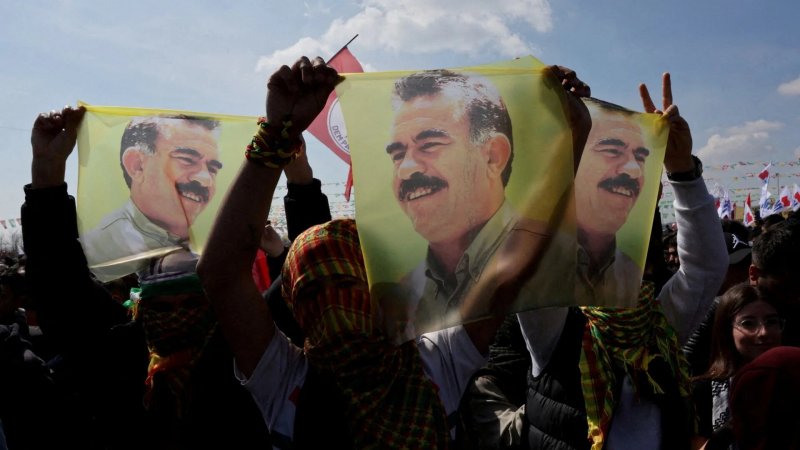
Abdullah Öcalan, the imprisoned leader of the Kurdistan Workers' Party (PKK), has made a historic appeal—one that could mark a turning point in Türkiye’s internal dynamics and its broader regional policy. A delegation from the Party of Equality and Democracy (DEM) met with Öcalan at the high-security prison on İmralı Island, where he delivered a message that, if heeded, could shift the course of decades-long conflict.
This call did not emerge in isolation. It was part of a broader three-phase process that has now reached a critical juncture. The significance of this moment lies in its potential to reshape not only Türkiye’s democratization trajectory but also the delicate balance of power in the region. More importantly, it signals the waning influence of external forces that have long sought to exploit ethnic divisions for geopolitical leverage.
A strategic reassessment of PKK’s role
Source: The New Arab
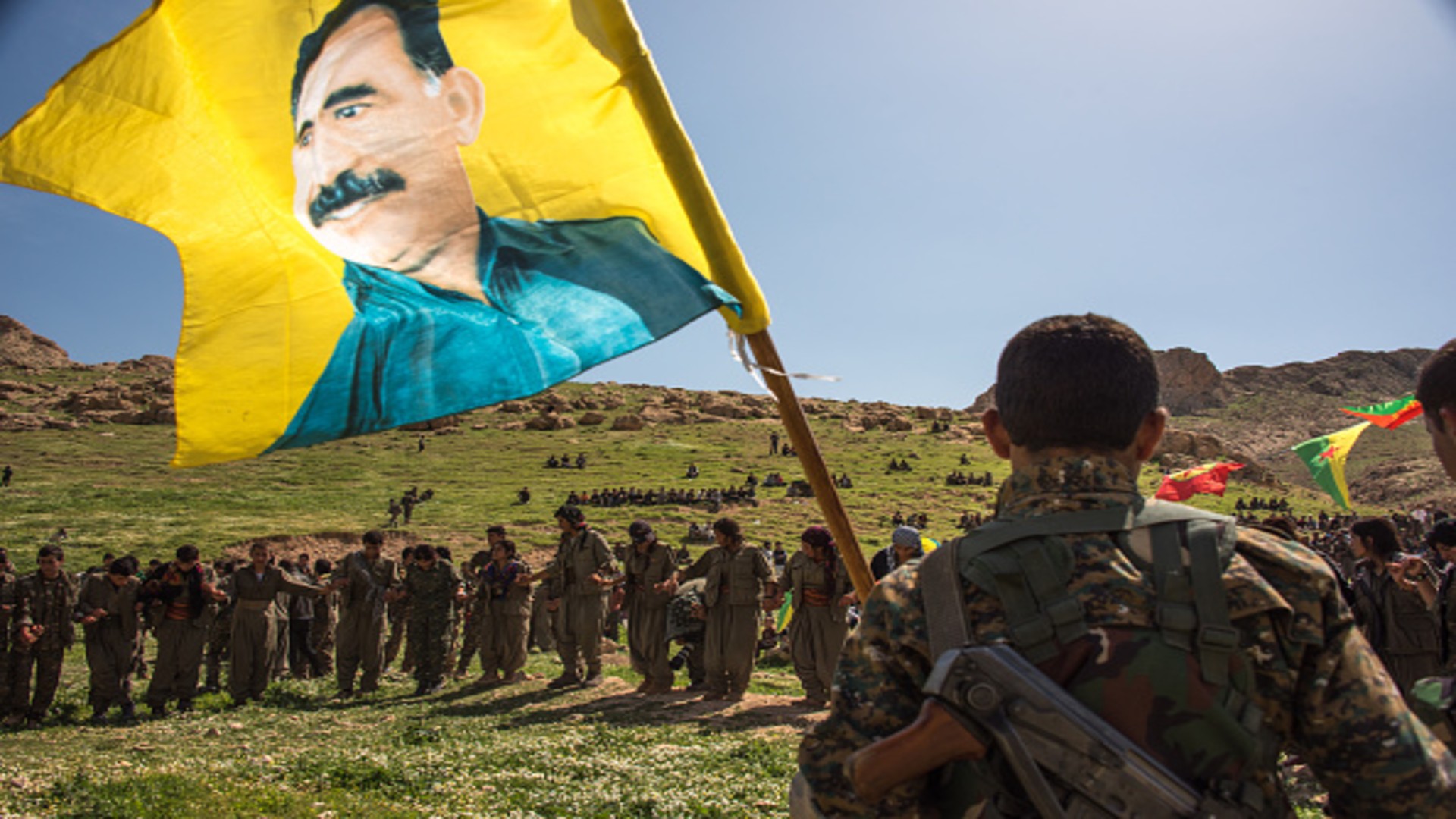
A key element of Öcalan’s statement is his framing of the PKK’s origins—as a response to the systematic suppression of democratization efforts in Türkiye over the past century. He presents the PKK not as a mere militant faction but as a movement that once aimed to secure fundamental rights for Kurds and other marginalized groups.
However, the realities on the ground have changed. Under President Recep Tayyip Erdoğan, Türkiye has introduced reforms that have addressed many of the grievances that once fueled the PKK’s insurgency. In this context, continuing an armed struggle serves no purpose other than prolonging instability and, ironically, benefiting the very Western powers that have historically manipulated these divisions for their own interests.
Öcalan’s message is clear: the future of Kurdish political aspirations must be pursued through democratic channels, not through armed resistance. This represents an implicit acknowledgment that the PKK, as an armed organization, has outlived its utility in a rapidly evolving geopolitical landscape.
The geopolitical ramifications
The implications of Öcalan’s statement extend beyond Türkiye’s borders. His call for dialogue and de-escalation has been met with cautious optimism from various Kurdish groups in Iraq and Syria. Nechirvan Barzani, the President of the Kurdistan Regional Government in Iraq, openly endorsed the call, emphasizing his administration’s commitment to facilitating this transition. Similarly, Salih Muslim, a leading figure in the Syrian Kurdish movement, expressed confidence that the Kurdish political sphere would rally around this initiative.
Nevertheless, fractures within Kurdish factions remain a significant hurdle. While some groups, particularly those aligned with the Iraqi Kurdish leadership, may embrace Öcalan’s vision, hardline elements within the PKK and its Syrian offshoot, the YPG, may resist disarmament. This raises an inevitable question: What happens to those who refuse to lay down arms?
The Turkish response and possible military action
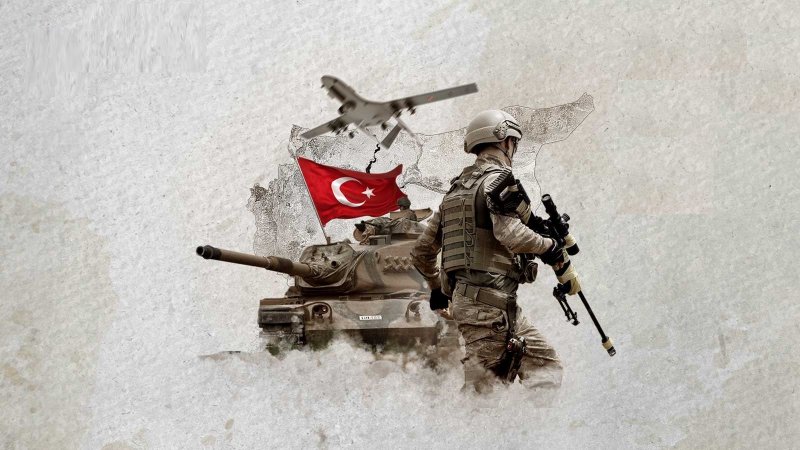
Source: Jusoor.co
While the Turkish government has not officially responded to Öcalan’s statement, the course of action appears clear. If dissident factions within the PKK reject this call and persist with their armed struggle, Türkiye has multiple avenues to neutralize them. With strengthened ties between Ankara and both the Iraqi central government and Syria’s emerging power structure, a coordinated military campaign against non-compliant elements is a plausible outcome.
In this scenario, groups that reject the peace process may find themselves isolated, with dwindling safe havens. Öcalan’s call, in effect, has placed the PKK at a crossroads: evolve into a legitimate political actor or face eventual eradication through military and diplomatic means.
Abdullah Öcalan’s statement is not merely a rhetorical exercise; it is a pivotal moment in the history of Türkiye’s security policy and the broader Kurdish political struggle. While it remains uncertain how quickly or effectively his call will be implemented, one thing is clear: the geopolitical calculus of the region is shifting. The armed struggle that once defined the PKK’s existence may be nearing its end, and the future of Kurdish politics may finally be entering a new phase—one where ballots replace bullets.
The coming months will determine whether this historic appeal translates into tangible change or remains an unheeded plea from an isolated leader. Either way, the region is watching closely, and so is the world.
(If you possess specialized knowledge and wish to contribute, please reach out to us at opinions@news.az).


Similar news