The new cold war between the U.S. and China is unavoidable – Expert analysis from Tugrul Keskin


In recent years, the global political landscape has undergone significant transformations, with the United States at the center of these changes. The new administration in Washington is not only reassessing its foreign policy approach but also redefining strategic alliances, reshaping the global balance of power.
How has the U.S. approach to international relations evolved? What long-term projects is Washington pursuing in Asia and the Middle East? What role do lobbying groups play in shaping American foreign policy? And finally, is a normalization of U.S.-Russia relations possible amid escalating tensions with China?
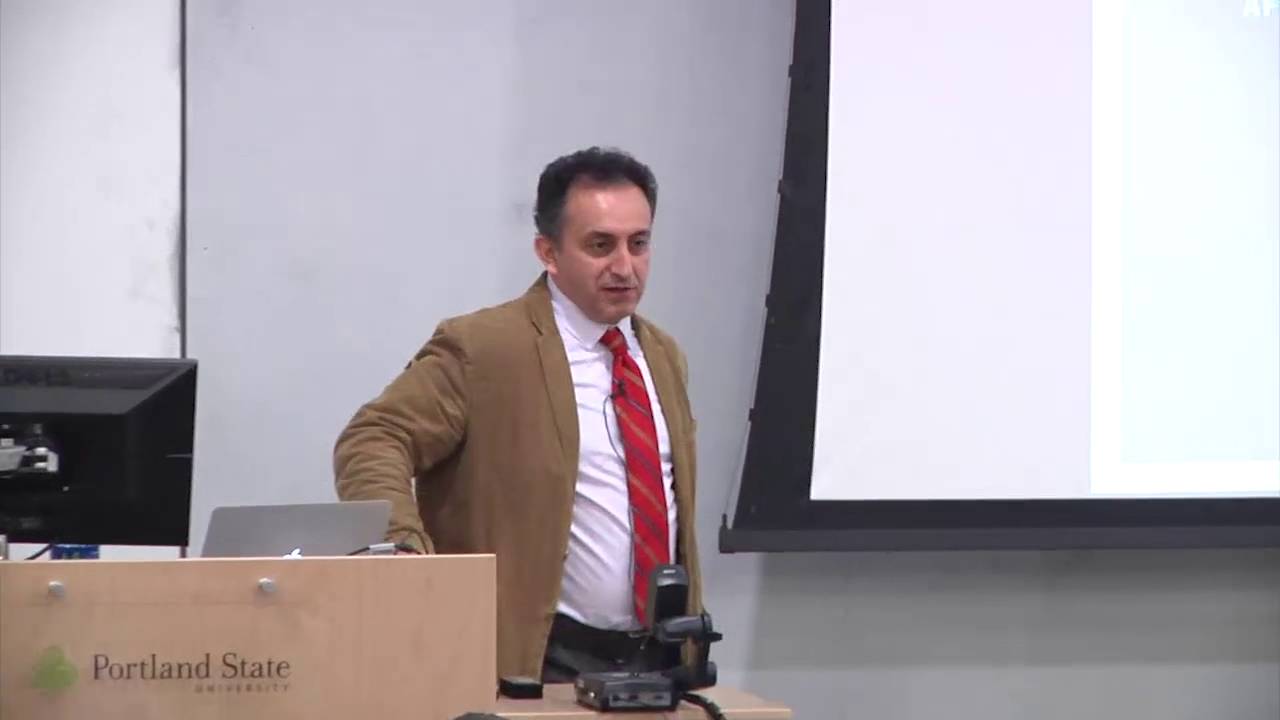
In this exclusive interview with News.Az, Tugrul Keskin, Professor and academic coordinator of China Global Strategic Research Institute, an expert in global governance and international relations, shares his insights on these critical issues as the world navigates a new geopolitical era.
-How does the new U.S. administration’s policy differ from previous governments, and what are the roots of these changes? What long-term projects is the U.S. implementing in the Middle East and Asia, and how might they affect the global balance?
-The U.S. is currently undergoing a restructuring process. Not only is the state apparatus being reshaped, but America’s global positioning is also being redefined. This transformation has been ongoing for many years, yet many countries, including Türkiye, failed to recognize it in time. These changes began in the 1980s and 1990s and have continued to the present day, making them inevitable. Donald Trump’s victory in the 2016 elections was predictable. His return to the presidency for a second term was marked by a more experienced team.
I am also a member of the Republican Party and closely follow these processes. This transformation is led by a new movement driven by conservative nationalists and evangelical Christians in the U.S. Contrary to the widespread perception in Muslim countries, this movement is not directly linked to the Israeli lobby. In fact, Israelis themselves are concerned about it, as this emerging group represents a fundamentally different force.

The immigration issue is not merely Trump’s personal stance; it reflects a broader approach developed within U.S. national security structures. Trump simply vocalized these views, but he did not oppose the system—he represented the perspective of a specific group within it, one that wields significant influence. This transformation started in the 1980s and gradually shaped this political faction, which Trump then leveraged to advance his ideas. These are not just his personal views; a collective movement stands behind them. One of the ideological leaders of this movement is Steve Bannon, the head of Breitbart News.
A large part of this movement consists of evangelical Christians. For instance, Patrick Shanahan, who was appointed to the Pentagon, is an evangelical, as was a Florida senator who also sought the position. Marco Rubio is also associated with this movement, though he is not a major figure in it. Among its supporters is Tulsi Gabbard, the Director of National Intelligence. Many within this group have raised concerns within the Israeli lobby. They are American nationalists with strong religious beliefs, and their primary support comes from rural areas in the U.S. They have been preparing for these changes for a long time. Other nations failed to recognize this shift, which was a major mistake.
In my view, this group will likely reach an agreement with Russia, or perhaps they already have. A U.S.-Russia agreement is inevitable.
Since 2018, the Trump administration has intensified its confrontation with China. On October 4 of that year, Vice President Mike Pence delivered a speech signaling the beginning of a new Cold War. The Trump administration relied on anti-China sentiments, evangelical support, American nationalists, and even certain tech leaders, such as Elon Musk, to secure power.
-How much influence do lobby groups have on U.S. foreign policy, and what is their role?
-There are numerous lobbying groups in the U.S. that steer foreign policy according to their interests. One of the most influential is the Israeli lobby, without whose approval major U.S. policies in the Middle East are rarely formulated. However, this influence is limited to the Middle East. Other major lobbying groups include the Armenian lobby (ANCA), the Greek lobby, and European lobbies such as the German, French, and British groups. Even Norway has engaged in lobbying activities in the U.S., as revealed in an FBI investigation a decade ago. Norway’s lobbying efforts were aimed at securing approval for oil exploration projects in the North Sea.
However, the new political movement in the U.S. is opposed to ethnic lobbying groups. The reason for this is that their voter base consists mainly of ordinary Americans who are concerned about economic issues, rising prices, increasing rent costs, and declining wages. Over the past 10–15 years, the U.S. has faced serious economic difficulties, leading to growing voter dissatisfaction.
U.S. immigration policy has also changed. Unlike in previous years, new immigrants today tend to have lower levels of education and compete with Americans for jobs, driving wages down.
-How is U.S. policy in Syria shaped? Are there direct negotiations with Türkiye on this issue?
-To understand U.S. foreign policy, it is worth considering the 1995 book Op-Center by Tom Clancy. This book describes scenarios of future conflicts, including those involving Syria and Türkiye. It mentions an attack on Türkiye from the Syrian city of Qamishli in 1995—despite the fact that no war took place at the time. However, in 2011, the Syrian civil war began, and by 2015–2016, U.S.-Türkiye relations over Syria had become increasingly strained.
Today, Syria remains a key battleground for influence. While Türkiye and the U.S. have reached a temporary compromise, in the long term, Türkiye continues to pursue its own national interests. Relations between the two countries have become more cautious, particularly during Trump’s second term. However, the biggest beneficiary of the Syrian conflict is Russia. Russia operates strategically, planning not for 10–20 years but for 50 years into the future.
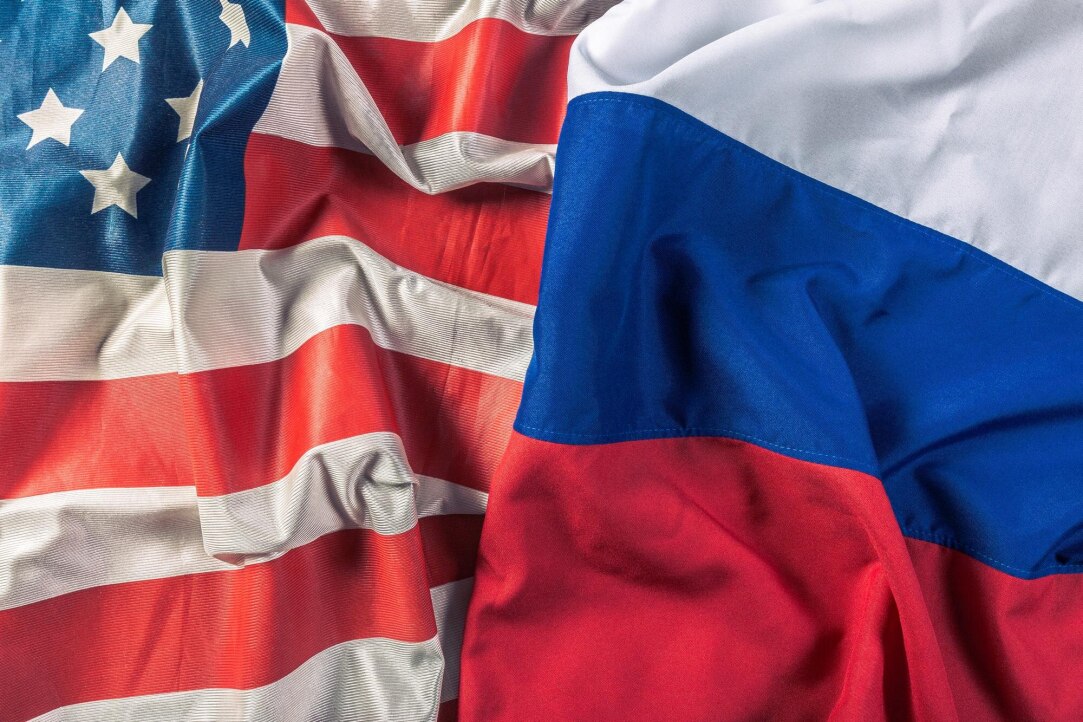
-What are the prospects for normalizing U.S.-Russia relations?
-According to experts, a normalization of U.S.-Russia relations may be expected in the near future. However, the decisive factor will be Washington’s recognition of the threat posed by China. The U.S. acknowledges that China is not just an economic power but also a technological and political one.
America is beginning to reassess its strategy. China is already investing in various countries, including Armenia, Central Asia, and Latin America, constructing infrastructure projects such as a railway corridor between Peru and Brazil. This poses a direct challenge to U.S. influence.
At present, U.S. strategists understand that countering China without an alliance with Russia will be difficult. Washington may consider easing sanctions against Moscow. The recent exchange of intelligence agents is already an indication of this shift. The Ukraine conflict will likely conclude in Russia’s favor, as Kyiv cannot sustain its fight without U.S. support.
The new U.S. administration is prioritizing confrontation with China over conflict with Russia. Nearly all key figures in Trump’s circle hold anti-China views but are not explicitly anti-Russian. This suggests a potential rapprochement between the U.S. and Russia, driven by the growing threat from China.


Similar news