Vasili Papava: Zarif's departure signals a shift towards a hardline foreign policy in Iran - INTERVIEW


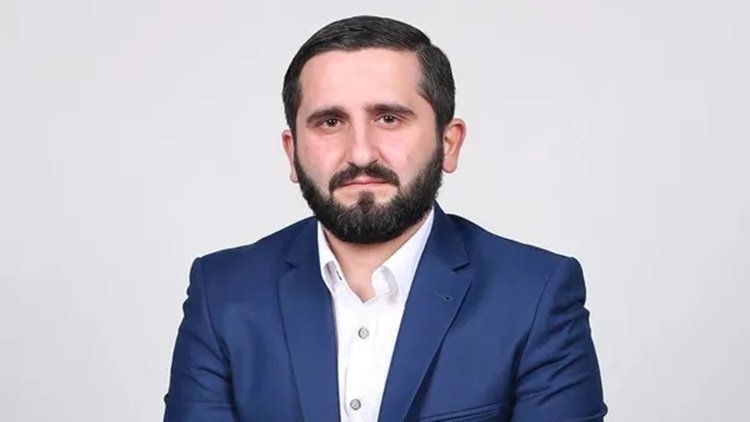
In recent weeks, Iran's political landscape has undergone significant upheaval with the resignation of Mohammad Javad Zarif, Vice President for Strategic Affairs and a key reformist figure, and the impeachment of Minister of Economy and Finance Abdolnaser Hemmati. These developments underscore the escalating influence of conservative forces in Tehran and raise crucial questions about the future of Iran's domestic and foreign policy, particularly its relations with the West. In an exclusive interview, News.Az presents insights from Middle East expert and Iran specialist Vasili Papava. He offers an in-depth analysis of the reasons behind these dramatic changes, the implications for the Iranian government's strategy, and the potential impact on the country's relations with the United States.
- What are the main reasons behind the resignation of Mohammad Javad Zarif and the impeachment of Minister of Economy and Finance Abdolnaser Hemmati? What factors might have influenced these decisions?
- The resignation of Mohammad Javad Zarif, Iran’s Vice President for Strategic Affairs and one of the key reformist figures, along with the impeachment of Minister of Economy and Finance Abdolnaser Hemmati, reflects deep divisions within Iran's political establishment. The primary cause appears to be the growing influence of conservative forces seeking to limit the reformists' impact. Known for his moderate stance and support for dialogue with the West, Zarif found himself under increasing pressure in this struggle. His departure significantly weakens the reformist camp, depriving it of a pivotal figure capable of balancing the conservatives' hardline approach with the need for international engagement.
As for Hemmati, his removal by parliament was linked to accusations of failing to address the country's mounting economic challenges. Iran is grappling with high inflation, the devaluation of its national currency, and growing public discontent, all of which have intensified domestic tensions. Conservatives seized upon these difficulties to justify their pressure on the reformists, leading to Hemmati's impeachment. Collectively, these moves highlight the conservatives' victory and their intent to tighten control over both domestic and foreign policy.
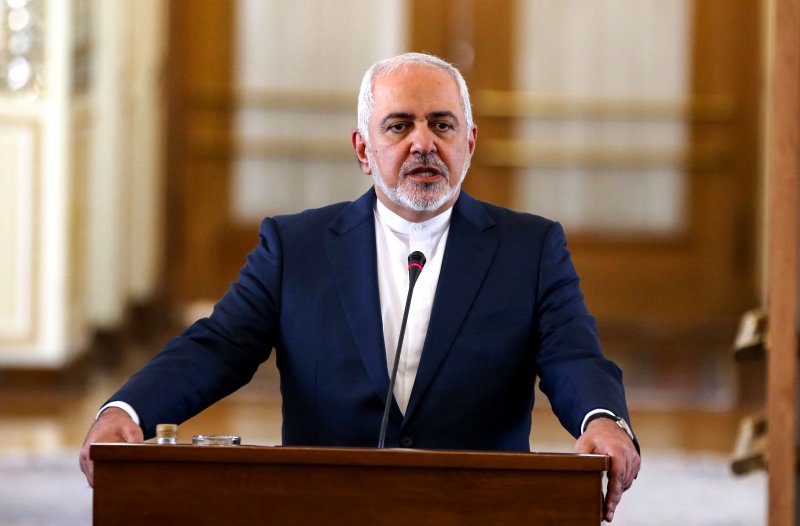 Mohammad Javad Zarif, Vice President for Strategic Affairs, has resigned. Photo: CNN
- What changes in Iran-U.S. relations might follow Zarif’s resignation, given his well-known support for dialogue with the West?
- Zarif's resignation, coming from the architect of the 2015 nuclear deal (JCPOA), significantly diminishes the prospects for renewed dialogue between Iran and the United States. He was one of the few figures in the Iranian leadership capable of building bridges between Tehran and the West, thanks to his diplomatic experience and moderate stance—both invaluable assets amid Iran's international isolation. Without him, President Masoud Pezeshkian's administration loses a critical counterbalance to the conservatives' pressure, further complicating efforts to maintain ties with the global community.
The growing influence of conservatives, who advocate a hardline approach to the West, makes it less likely that negotiations on the JCPOA will resume or that sanctions will be eased. A return to the U.S. policy of "maximum pressure" could exacerbate the situation even further. In this context, Zarif's departure erects substantial barriers to normalizing relations between Iran and the U.S., heightening the risk of increased tensions.
- How might Zarif's departure influence Iran's domestic politics and the prospects for future nuclear deal negotiations?
- The departure of Zarif and the removal of Hemmati highlight profound rifts within Iran's political elite, which could amplify public dissatisfaction, particularly among the youth and middle class who are bearing the brunt of economic hardships and restrictions. In the long term, this could lead to renewed protests and greater social unrest, creating additional challenges for the authorities.
In terms of nuclear negotiations, the absence of Zarif, a key player in the 2015 agreement, significantly reduces the chances of resuming dialogue. Without his diplomatic expertise and moderate approach, Iran risks adopting a more hardline stance, complicating its interactions with the international community. The growing influence of conservatives, who reject compromises with the West, leaves the future of the nuclear deal uncertain. This shift may drive Iran towards a more aggressive foreign policy, including intensified actions in the Middle East, thereby increasing the risk of regional destabilization.
Thus, the resignations of Zarif and Hemmati not only alter the balance of power within Iran's leadership but also pose substantial challenges for the country's future. Iran's path forward will depend on whether its new leaders can navigate these obstacles and strike a balance between internal pressures and external threats. For reformist President Masoud Pezeshkian, the political space for maneuvering is rapidly narrowing, caught between the conservatives' demands for a hardline policy and his own efforts to reduce international isolation and sanctions. Without figures like Zarif and Hemmati, who could bridge these divergent approaches, the president may find it increasingly difficult to maintain this balance. This raises the risk of a shift towards a confrontational policy, exacerbating both domestic and international challenges.
President Pezeshkian will need to explore new ways to manage the situation, but his options remain extremely limited.


Similar news