Washington Summit: a decisive step towards the rebuilding of regional trust


.png)

The Washington summit between Azerbaijan and Armenia, hosted by U.S. President Donald Trump, represents one of the most significant steps toward peace in the South Caucasus in decades. For years, negotiations have been deadlocked over fundamental issues—particularly those Azerbaijan considers essential for any final settlement—but this meeting marked a rare moment when both sides demonstrated the political will to overcome long-standing barriers.
At the center of the breakthrough is a 17-article draft treaty committing the parties to mutual recognition of sovereignty and territorial integrity, the renunciation of force, the prohibition of third-party military deployments along the border, and non-interference in internal affairs. For Baku, these commitments are especially meaningful in the context of Armenia’s constitutional territorial claims, which Azerbaijan has long demanded be removed.
The summit also addressed the problem of external interference, with both sides urging the closure of the outdated OSCE Minsk process and pointing to the contradiction between the peace terms and the European Union Mission in Armenia (EUMA).
Alongside political agreements, the summit advanced the Zangezur Corridor—officially named the “Trump Route for International Peace and Prosperity”—as a symbol of economic connectivity and regional transformation. Above all, the process prioritized rebuilding trust, offering fresh momentum toward lasting reconciliation.
News.Az analytical portal exchanged views with Huseyn Sultanli, expert at the Center of Analysis of International Relations (AIR Center), regarding the theme.
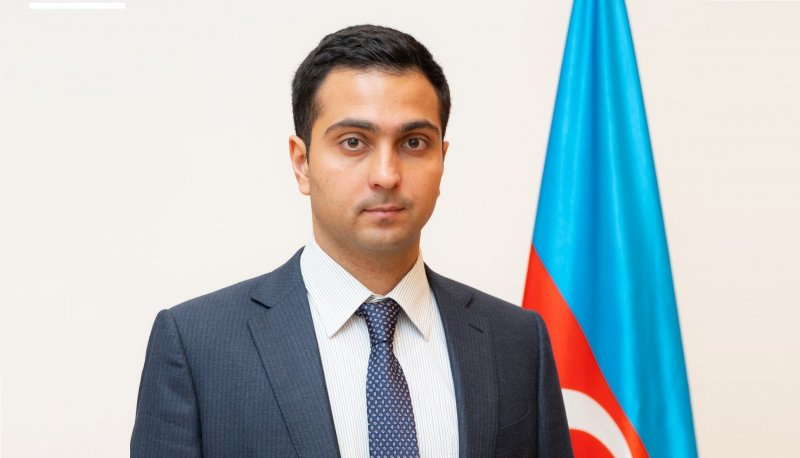
According to him, the agreements reached between Azerbaijan and Armenia during the Washington summit, a process overseen by Donald Trump, the President of the United States, represent a groundbreaking moment for the ongoing peace process between the countries.
"Initiated by Azerbaijan, negotiations have traditionally stalled over contentious points which Azerbaijan considers to be crucial for the formalization of any peace agreement. However, this occasion marks an important turning point – the sides, at the highest possible level and with considerable global coverage, have come together and publicly expressed their desire to overcome these barriers.
When one takes into consideration the actual substance of the draft peace treaty text published by both sides, there is considerable room for optimism. Among a list that contains 17 articles, the sides, crucially, commit to the recognition of each other’s sovereignty and territorial integrity, prohibit third-party military deployments on the border, and commit to the non-use of force and non-interference in each other’s internal affairs. This is vital for several reasons. First, this holds special significance within the context of Azerbaijan’s insistence on the removal of territorial claims against its territory in the Armenian Constitution. Second, it begins the process of undoing the damage done to the peace process by highly counterproductive and one-sided foreign interference. This particularly concerns the European Union Mission in Armenia (EUMA), the operation of which on Armenian territory is now in contradiction to what is outlined in the peace treaty text. The joint appeal launched by the foreign ministers of the countries to the OSCE for the official closure of the already defunct Minsk process reinforces this commitment and highlights the importance of preventing third-party meddling in interstate relations," he added.
Mr Sultanli beleives these agreements and the mutual steps taken in Washington set the stage for the development of long-term, resilient, and good-neighbourly interstate relations.
"They address inherent challenges which have blocked peace in the region for decades but also, through the Zangezur Corridor (officially labelled as the Trump Route for International Peace and Prosperity), strive to transform the region from one of deadlock and confrontation into one of connectivity and stability. However, what most visibly differentiates this moment from previous landmark moments in the normalization process is the direct and deliberate emphasis on the rebuilding of trust between the sides. Although this process is not yet complete, the Washington summit’s unique symbolism is expected to grant the sides the necessary momentum to get peace ‘over the line’. President Ilham Aliyev has emphasized the importance of upholding this momentum, which is why practical and constructive steps on Armenia’s behalf are the best way to ensure these agreements lead to definitive transformation in the region," he concluded.


Similar news