What do Belarusians anticipate from the upcoming presidential race? - INTERVIEW


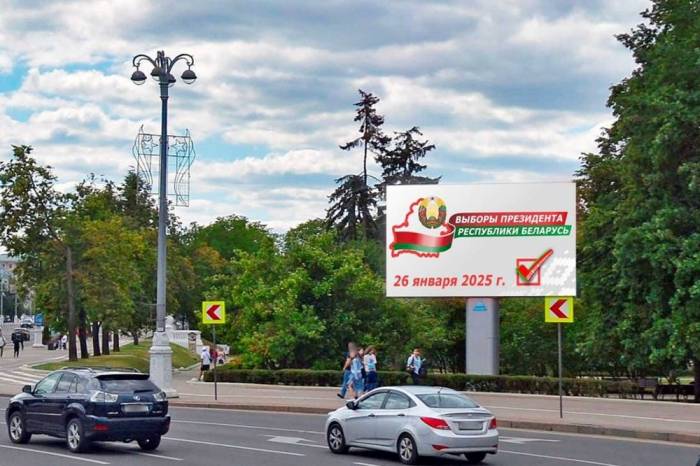
Photo: RG
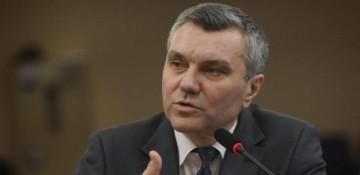
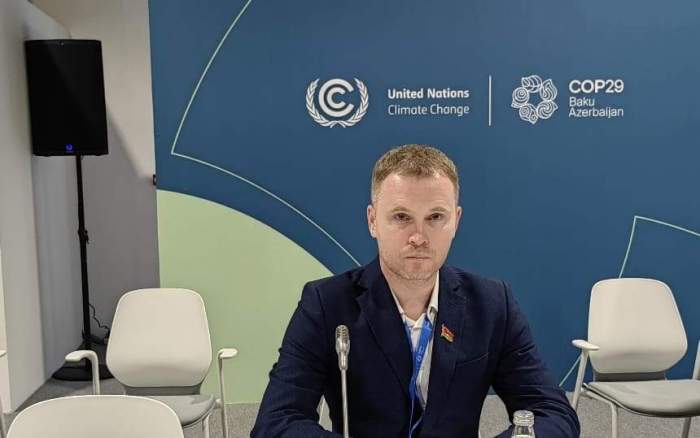
News.az presents an exclusive interview with Sergei Tyshkovets, a political scientist, public figure, and parliamentary candidate from Belarus, who shares his insights on the upcoming presidential elections.
- Which political parties and candidates are participating in the 2025 presidential elections, and what are their key programs?
- Our Central Electoral Commission has registered five presidential candidates, three of whom are leaders of current political parties.
1. Current President Alexander Lukashenko, 70 years old, non-partisan.
Alexander Lukashenko's program is well known—it is centered on a socially-oriented state with an independent course of development. He has declined to participate in debates and placed his hopes on a team of trusted representatives, holding a recent strategy meeting. This approach is logical given his extensive responsibilities as President. His program needs no further introduction to those who have observed his nearly three decades of governance.
2. Oleg Gaidukevich, 47 years old, Chairman of the Liberal Democratic Party, Member of the House of Representatives of the National Assembly.
His platform largely mirrors that of his party, emphasizing the protection of Belarus' interests in all areas, commitment to the integration projects of the EAEU and the Union State, and pragmatic development of relations with the EU, strictly within Belarus' national interests. The party advocates for the development of local self-government while firmly supporting presidential power.
3. Alexander Khizhnyak, 46 years old, Chairman of the Republican Party of Labor and Justice, Deputy of the Minsk City Council of Deputies.
The main theses of his program include: 1) Work as the best social protection. Economic policies should aim for full employment; 2) A labor market without barriers. Creating a modern labor market with decent working conditions and wages that adapts to technological changes while being inclusive of youth, the elderly, and people with disabilities; 3) Aging with dignity. Improving the quality of life for older citizens and enhancing tools to support active aging, combining efforts from the public sector and civil society; 4) Education as the engine of progress. Lifelong learning is critical to meet the rapidly changing needs of today's labor market.
4. Anna Konopatskaya, 48 years old, an individual entrepreneur and former member of the United Civil Party (now defunct).
Her platform includes: 1) Lowering the legal marriage age for women to 17 with parental consent; 2) Legalizing surrogacy and creating a funded pension system with transferable inheritance rights; 3) Privatizing inefficient enterprises, supporting small businesses, and revitalizing Belarus' status as an IT hub; 4) Normalizing relations with both EU member states and aspiring EU countries, emphasizing Belarus as a strong, non-militarized nation with its own geostrategic interests.
5. Sergei Syrankov, 41 years old, First Secretary of the Central Committee of the Communist Party of Belarus.
His program emphasizes building socialism as the party's strategic goal, with theses such as:1) Strengthening the Belarusian state and its political institutions to ensure stability and security; 2) Optimizing public administration to combat bureaucracy, corruption, and red tape; 3) Preventing the rise of capitalism and promoting the socialist path as the only viable development model.
- What are the expectations of the population from these elections, and which social groups play the most active role in the election campaign?
- The most active participants in the election campaign are working citizens aged 35 and older, who have lived under Lukashenko's leadership, as well as individuals aged 45 and above who remember both the Soviet era and modern Belarus.
Among younger people, a common sentiment is: "Thank you that only fireworks explode in our sky." This reflects widespread appreciation for the peace and stability maintained in Belarus. Many citizens view the elections as an opportunity to preserve this trajectory, prioritizing stability and security above all else.
- What challenges and problems are facing the electoral system of Belarus, and how were they resolved before the elections?
- The primary challenges are external. Opposition figures who fled Belarus after 2020 are calling for provocations and even the violent overthrow of the government. Aggressive rhetoric from groups like the so-called Kalinovsky Regiment also targets the country. In response, the government has bolstered defenses, deploying tactical nuclear weapons and Russian hypersonic systems on Belarusian territory.
Other challenges include hostile rhetoric from neighboring European countries and sanctions linked to the forced landing of a plane carrying opposition activist Roman Protasevich. Despite his release without prison time, the sanctions have intensified. Belarus has countered these measures by strengthening ties with CIS and BRICS countries, promoting import substitution, and diversifying its economy.
Efforts to spread disinformation about Belarus also persist. However, the government has drawn lessons from 2020 and has improved its communication with citizens, organizing more national unity events. Election commission members, who faced pressure and threats in 2020, now openly support their roles, reflecting a more cohesive and resilient political system.
- How does the international community assess the preparation for the elections and Belarus’s participation in democratic processes?
- The international community's perspective on the elections in Belarus has remained consistent over the years. Western nations have already begun criticizing the upcoming elections and their preparations, even though they are still a month away. Some groups have gone as far as calling for a boycott, alleging the elections will be rigged. In contrast, BRICS and CIS countries generally respect the Belarusian people's choice and are prepared to accept the results as legitimate.
A key difference from the 2020 elections is the absence of NGOs or political parties within Belarus funded by foreign entities. This shift has reduced the internal, non-constructive influence on the electorate from external actors who, in the past, pursued agendas aligned with specific foreign interests under the guise of independence.
- What are the forecasts regarding voter turnout and possible results of the 2025 elections?
- Belarusian citizens have witnessed significant developments in the country and have stayed informed through news coverage and events in neighboring nations. This awareness has provided them with a clearer understanding of the circumstances surrounding the 2020 elections and what was ultimately avoided. Consequently, the proportion of informed voters is expected to be higher in 2025 compared to previous elections.
Given the prevailing mood across various social groups and the current events within the country, voter turnout is forecasted to exceed 70%. Furthermore, it is estimated that the current President will secure approximately 80–90% of the votes.


Similar news