Why Azerbaijan must act now to protect its fragile ecosystems


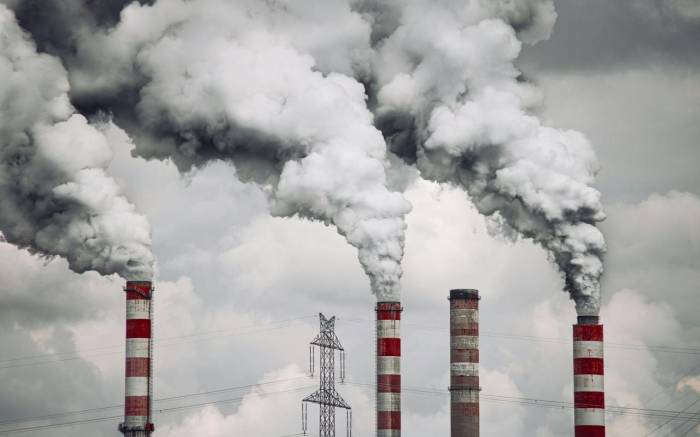
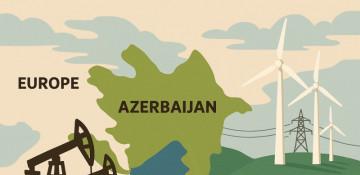
As a nation situated at the crossroads of Europe and Asia, Azerbaijan is endowed with diverse ecosystems and abundant natural resources. However, alongside its remarkable economic growth driven by oil and gas exploration, the country grapples with pressing environmental challenges. From air and water pollution to ecosystem degradation, Azerbaijan faces a complex interplay of issues that demand urgent attention and innovative solutions.
Rapid industrialization and urbanization in Azerbaijan have fueled economic prosperity but come at a significant environmental cost. Cities like Baku, Sumgait, and Ganja are experiencing deteriorating air quality, with pollutants such as sulfur dioxide and nitrogen dioxide regularly exceeding safe levels. This trend is particularly alarming given the long-term health implications for urban populations. Meanwhile, the Caspian Sea, a vital ecosystem and a major fishery, is under severe strain due to oil spills and untreated industrial waste. Approximately 150,000 tons of oil are discharged into the sea annually, compromising biodiversity and threatening marine life.
According to information obtained from the research of the professor, doctor of geographical sciences Sh.Khalilov (1939-2007) after the USSR collapsed, many industrial enterprises in Azerbaijan that polluted the environment were shut down, leading to a significant decrease in toxic emissions. In 1987, 2.05 million tons of harmful waste were emitted, including 0.25 million tons of dust, 0.15 million tons of sulfur dioxide, and 0.99 million tons of hydrocarbons. By 1991, emissions rose to 2.6 million tons, with 0.11 million tons of dust, 0.09 million tons of sulfur dioxide, 0.64 million tons of carbon monoxide, 0.08 million tons of nitrogen oxide, 1.67 million tons of carbon dioxide, and 0.04 million tons of volatile chemicals.
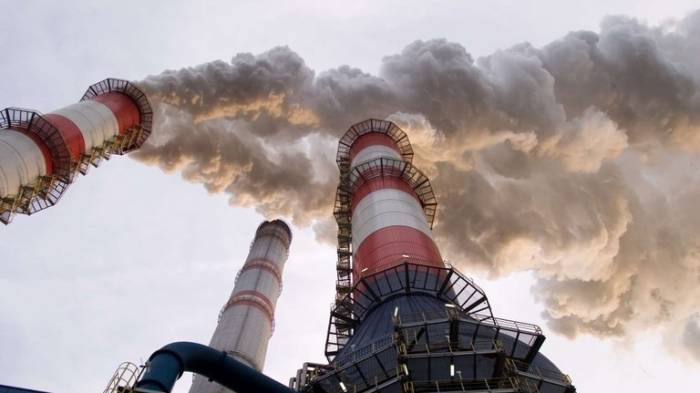
Adding to these challenges is the issue of land degradation. With nearly 40% of Azerbaijan’s territory at risk of desertification, overgrazing and deforestation have led to a 20% decline in soil productivity over the past three decades. Such trends raise important questions about the sustainability of agricultural practices and land-use policies in the country.
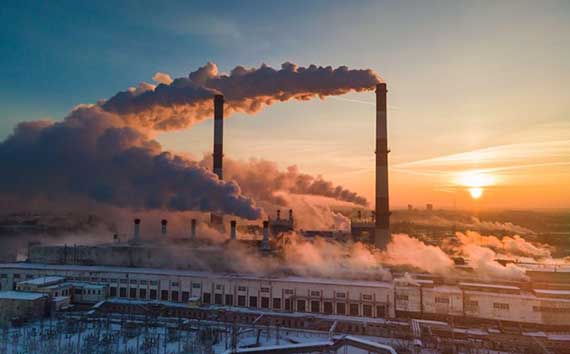
Most harmful waste in Azerbaijan comes from construction materials (26.6%), petrochemicals (16.9%), energy (16.9%), gas (15.7%), oil (7.3%), non-ferrous metallurgy (4.7%), and electrical engineering (1.8%). Industrial cities faced alarming pollution levels. In Sumgayit, waste density was 1200 t/km² (50 times the national average), with other cities like Shirvan, Ganja, Mingachevir, and Baku also highly affected. Over 80% of the total emissions came from these five cities, with Baku contributing 66.1%. Pollution in Ganja, especially after restarting an aluminum plant, worsened air quality in surrounding areas. A similar situation occurred in Shirvan and nearby districts.
Azerbaijan has not turned a blind eye to these challenges. Over the years, the government has adopted a series of environmental policies, including the 2002 Law on Environmental Protection and the 2006 Law on Water Resources, to regulate pollution and safeguard natural ecosystems. In alignment with its National Sustainable Development Strategy, the country has also committed to reducing greenhouse gas emissions by 35% by 2030 under the Paris Agreement.
Moreover, Azerbaijan’s active participation in international agreements, such as the UN Framework Convention on Climate Change and the Convention on Biological Diversity, reflects its commitment to global environmental standards. These collaborations have enabled Azerbaijan to finance renewable energy projects and enhance environmental monitoring systems through partnerships with organizations like the World Bank and the EBRD.

Preserving biodiversity remains central to Azerbaijan’s environmental efforts. The country has established 10 national parks, 13 state nature reserves, and numerous natural monuments that protect endangered species such as the Persian leopard and the Caspian seal. Conservation efforts, including habitat restoration and anti-poaching initiatives, have yielded positive results but require sustained investment to counteract the long-term effects of habitat destruction.
While government policies provide a foundation for environmental protection, public engagement plays an equally vital role. Azerbaijan has made strides in raising environmental awareness through education programs and civil society initiatives. Grassroots efforts, including beach cleanups and recycling campaigns, have mobilized citizens to take active roles in protecting the environment. However, more needs to be done to align citizen participation with broader policy goals.
 Terrapass
As Azerbaijan looks to the future, it must confront the twin threats of climate change and resource depletion. Rising temperatures and increasing desertification pose significant risks to agriculture and water security. Investments in renewable energy, particularly solar and wind, present a promising avenue for sustainable development. The government’s goal of generating 30% of the country’s energy from renewables by 2030 underscores its commitment to this transition.
Azerbaijan’s environmental challenges underscore the delicate balance between economic development and ecological preservation. While the country has made notable progress in legislation, conservation, and renewable energy initiatives, the scale of the challenges ahead requires a more integrated approach. Strengthening public-private partnerships, enhancing international cooperation, and fostering a culture of environmental responsibility are essential to achieving long-term sustainability.
The path forward is clear: Azerbaijan must prioritize the responsible management of its resources and invest in green technologies to secure a future that is both prosperous and sustainable. By doing so, the country can position itself as a regional leader in environmental stewardship, setting an example for others at the intersection of growth and sustainability.
The material was prepared with the financial support of the Media Development Agency of the Republic of Azerbaijan.

(If you possess specialized knowledge and wish to contribute, please reach out to us at opinions@news.az).


Similar news