Why did Eastern Germans vote for the far right?


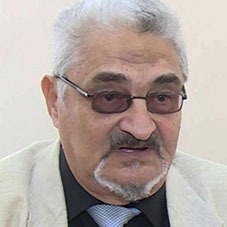
Editor's note: Moses Becker is a special commentator on political issues for News.Az, a PhD in political science and an expert on interethnic and interreligious relations. The article expresses the personal opinion of the author and may not coincide with the view of News.Az.
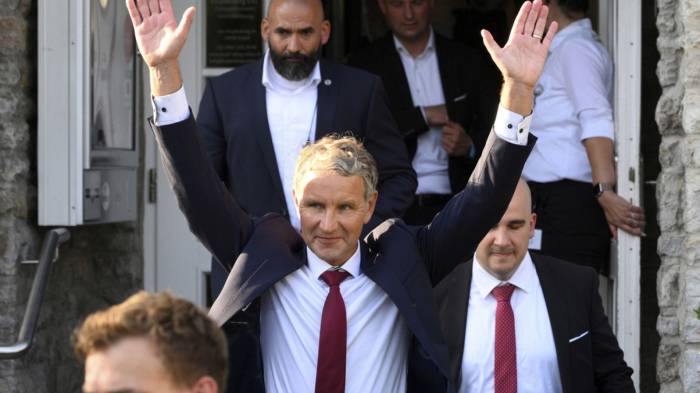
On Sunday, September 1, 2024, a political earthquake shook the European Union: the far-right Alternative for Germany (AfD) secured a victory in two former East German states, Thuringia and Saxony. This raises a pressing question: why did this happen in the heartland of the former GDR, where socialism once thrived, and people were raised on ideals of proletarian internationalism? What has so deeply angered the people of eastern Germany, who once longed for a "free" life in the West?Germany's reunification in 1990, carried out in a wave of euphoria, lacked a clear plan. The GDR, one of the most advanced and self-sufficient countries in the Warsaw Pact, had a robust industrial and agricultural infrastructure, backed by a highly skilled workforce. The East was marked by stability, resilience, and optimism for the future—qualities that distinguished it from the West. But the reunification came at a cost for East Germans: industries were dismantled, entire social classes were purged, and many people lost their jobs and social status.
At the time, these losses were seen as necessary sacrifices. But as the years passed, it became clear that these wounds never healed. Problems have been festering in the East, leading to a deep sense of social frustration. Many eastern Germans still feel like second-class citizens, with their concerns forgotten. Stripped of their former status, they remain critically underrepresented in federal government structures. They’re absent from top positions, the judicial and political systems, and leadership roles in the media. Many still don’t view the government in Berlin as their own.
This alienation likely contributed to the ruling coalition's crushing defeat in Thuringia and Saxony. Combined, all three governing parties couldn’t muster half the votes the AfD received. It’s no secret that economic concerns are often at the root of government failures, and today, with rising prices and stagnant wages, many in Germany are feeling the pinch. Economic growth has slowed, fewer resources are being directed towards improving living standards, and the everyday cost of living has surged.
Another key issue driving voter dissatisfaction is the worsening migration crisis under Chancellor Scholz. The influx of migrants continues to rise, fueling ethnic and religious tensions. Cities are filling up with people who, to many, seem unwilling to integrate, and streets have become less safe. In August 2024, a 26-year-old Syrian asylum seeker carried out a mass stabbing at a festival in Solingen, sparking calls from politicians to tighten gun laws, beef up border control, and ban the acceptance of refugees from Afghanistan and Syria.
Moreover, large pro-Palestinian demonstrations have long been testing the patience of law-abiding Germans. Many feel that with all the domestic issues Germany is facing, why should they care about what's happening in the Middle East? Adding fuel to the fire is Scholz's continued support for Ukraine, which is diverting substantial funds from Germany's budget. A significant portion of the public is calling for a peaceful resolution, while right-wing parties, including the AfD, emphasize the need for diplomacy over conflict.
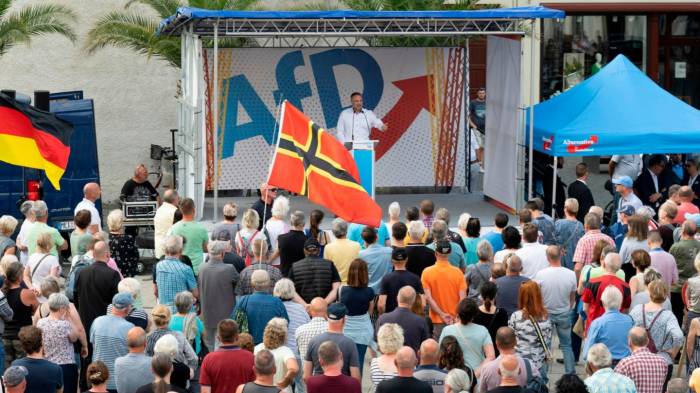
Looking ahead, all eyes are on the upcoming elections in Brandenburg on September 22, where the AfD could make even more gains. According to polls, the party might even become the second-largest in Hesse. In its platform, the AfD opposes Germany’s financial aid to struggling Southern European countries and advocates replacing the euro with the Deutsche Mark. The party calls for stricter immigration policies, a reduction in the influence of banks, and a commitment to preserving German culture.
The AfD also wants to hold a referendum on Germany’s exit from the Eurozone. Their economic proposals include reducing government intervention, supporting market-driven mechanisms, cutting subsidies to industries, and lowering taxes, specifically abolishing the inheritance tax. Additionally, they call for limiting the power of political parties, reducing the number of federal and regional lawmakers, restructuring ministries, limiting the chancellor's term to two, and introducing direct presidential elections.
Despite its hardline stance on immigration and other issues, the AfD supports keeping the European Union intact, seeing it as beneficial to Germany. They also advocate for lifting the sanctions Germany imposed on Russia and stopping the construction and funding of mosques backed by Islamic states and foreign sponsors. The party demands a ban on minarets and the call to prayer from muezzins, as well as a prohibition on wearing burqas or niqabs in public spaces. They argue that religious satire and caricatures should be protected under the right to freedom of speech and art.
Given Germany’s history, such a party must be approached with caution. Just this past May, the German newspaper Bild reported on a scandal involving a "golden youth" party where Nazi slogans were shouted. At the party in the village of Kampen on the island of Sylt, a group of young people filmed themselves yelling the Nazi slogan "Germany for Germans, foreigners out." One guest even mimicked Hitler's mustache and gave a Nazi salute.
However, the AfD leadership has made efforts to distance itself from extremists and notably supports Israel in its fight for existence, opposing trade boycotts against the Jewish state. Many party activists believe that anti-Zionism is a form of anti-Semitism. Today, some even argue that the AfD is the most pro-Israel party in Germany. Whether this holds true remains to be seen, but for now, the party's rise is part of a broader European trend, a direct consequence of the EU leadership's mismanaged economic and migration policies.
(If you possess specialized knowledge and wish to contribute, please reach out to us at opinions@news.az).


Similar news