Ahmed al-Sharaa invited to White House, G7, and NATO


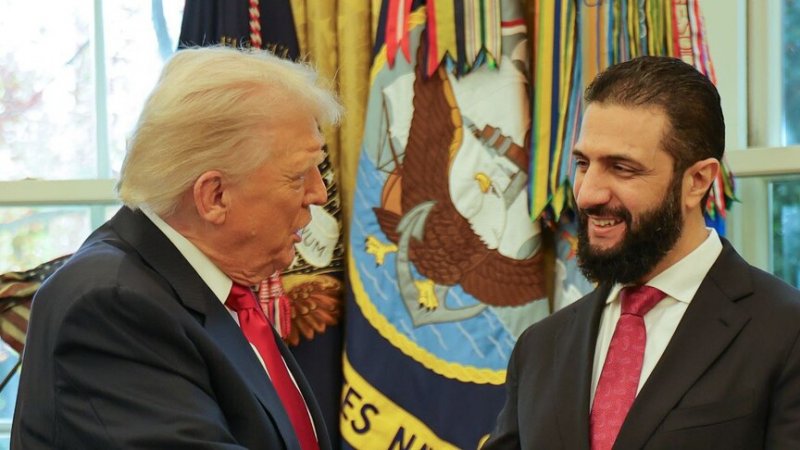
Syrian President Ahmed al-Sharaa has received an official invitation to the White House, but a highly anticipated visit will not take place this weekend, a Syrian official confirmed on Thursday.
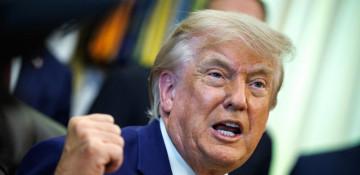
The statement follows reports from Syria TV claiming that Trump had requested al-Sharaa visit Washington on June 14. While a White House official confirmed the meeting is "not on the schedule at this time," they emphasized that President Trump and President al-Sharaa maintain a strong relationship and remain in regular contact, News.Az reports, citing Anadolu Agency.
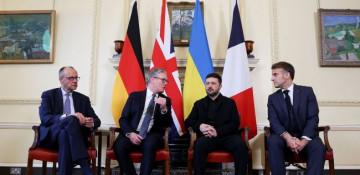
In addition to the Washington invitation, al-Sharaa has been invited to attend the G7 summit in Evian, France, from June 15–17, as well as the upcoming NATO summit in Ankara, Turkiye, scheduled for July 7–8. While his attendance at the G7 remains unconfirmed, officials are actively considering a bilateral meeting between Trump and al-Sharaa on the sidelines of the NATO summit.
RECOMMENDED STORIES
President al-Sharaa previously made a historic visit to the White House last November, marking the first time a Syrian head of state had visited the executive mansion since the nation gained independence in 1946. He also met with Trump in Riyadh in May 2025, shortly before Washington rolled back its sweeping sanctions against Syria.
The diplomatic back-and-forth coincides with a high-profile visit by a Syrian delegation to Washington this week for the Atlantic Council Global Energy Forum. During the event, Syrian Energy Minister Mohammed al-Bashir met with U.S. Energy Secretary Chris Wright to discuss reconstruction investments, unveiling strategic partnerships with global oil firms designed to position Syria as a regional energy hub.
The Western diplomatic re-engagement follows the December 8, 2024, overthrow of the Bashar al-Assad regime by opposition forces led by al-Sharaa. Since the formation of al-Sharaa's transitional government in January 2025, the U.S., UK, and European Union have lifted long-standing economic and energy sanctions to aid Syria's economic rebuilding and international reintegration.
By Aysel Mammadzada


Similar news