Apple eyes major AI shift with iOS 27 upgrade


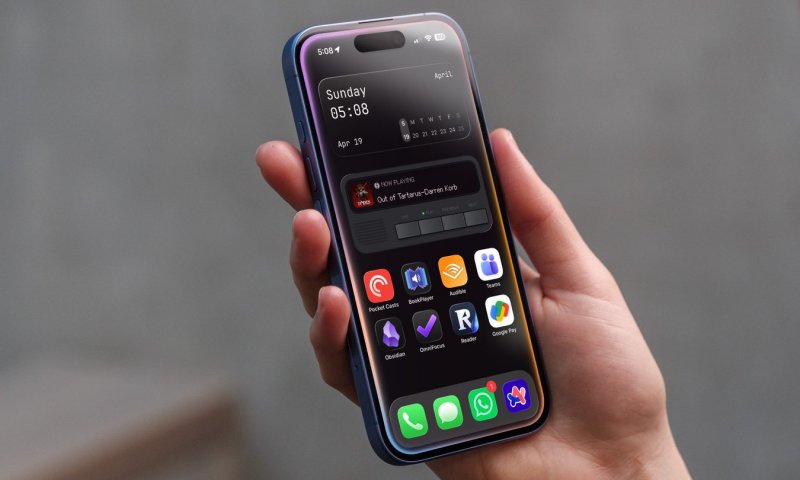
Apple appears ready to loosen its control over artificial intelligence on the iPhone.
According to TechCrunch and Bloomberg, the company is planning a major shift in iOS 27 that would allow users to choose which AI models power features across their devices, effectively turning Apple Intelligence into more of a platform rather than a single assistant, News.Az reports, citing Gulf News.
Internally referred to as “Extensions,” the feature would reportedly allow iPhone, iPad and Mac users to select third-party AI systems for tools such as Siri, writing assistance, image generation and other
Apple Intelligence functions through the Settings app. Models from companies including Google and Anthropic are said to already be under testing.
RECOMMENDED STORIES
If implemented, this would mark one of Apple’s most significant philosophical changes in years.
Traditionally, Apple has tightly controlled the software experience on its devices, building core services in-house and limiting outside access to system-level functions. However, the rapid rise of generative AI has reshaped the competitive landscape. Rivals including Google, Microsoft and OpenAI have aggressively integrated AI assistants into search, productivity tools and operating systems, while Apple has been criticised for taking a more cautious approach to rolling out AI features.
Apple Intelligence, introduced as the company’s AI framework in 2024, currently combines on-device models with cloud-based processing through Apple’s Private Cloud Compute system. So far, ChatGPT integration has been Apple’s main external AI partnership. iOS 27 could significantly expand that approach by turning the iPhone into a gateway for multiple competing AI systems.
This shift could fundamentally change how users interact with their devices.
Instead of relying on a single default assistant, users may be able to choose different AI engines depending on their needs — such as creativity, reasoning, coding, search or privacy. One model could handle writing tasks, another could power Siri responses, while others might generate images or summarise notifications.
The timing comes as the AI industry becomes increasingly fragmented. OpenAI, Google, Anthropic and Meta are all competing to position their models as foundational layers for future consumer computing. By opening iOS to multiple AI providers, Apple may be aiming to avoid locking the iPhone into a single AI ecosystem while still keeping users within its own platform.
More details are expected at Apple’s annual Worldwide Developers Conference next month, where artificial intelligence is expected to dominate much of the company’s software roadmap.
By Nijat Babayev


Similar news